
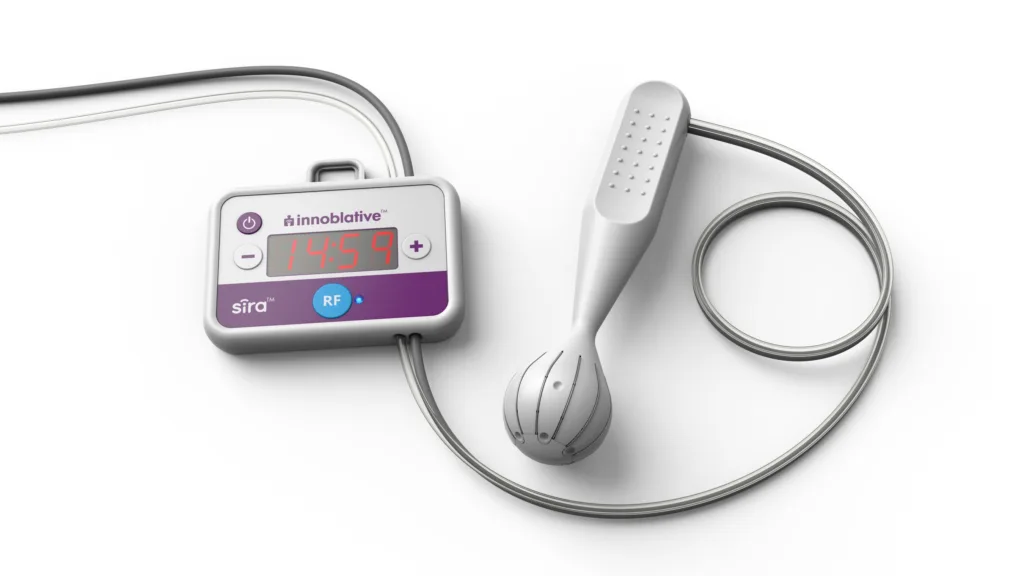
Innoblative Designs Inc has received a Category III Current Procedural Terminology code from the American Medical Association for its SIRA radiofrequency ablation electrosurgical device, intended for intraoperative ablation of the lumpectomy cavity in patients undergoing breast conservation surgery. The tracking code is expected to take effect in 2027 and is designed to support data collection on clinical utilization, outcomes, and economic impact as the technology advances toward broader clinical adoption.
The assignment of a Category III CPT code rarely attracts headlines outside reimbursement circles, but within the medical device sector it represents a strategic milestone. For emerging surgical technologies such as intraoperative ablation systems, the code functions as an early gateway into the complex ecosystem of reimbursement, evidence generation, and adoption. The decision effectively signals that the technology has reached a level of clinical and developmental maturity where systematic tracking of real world use is justified, even if widespread payer coverage is not yet guaranteed.
Why CPT category III codes are becoming a strategic bridge between device innovation and real-world clinical adoption
Category III CPT codes are typically reserved for emerging technologies that are still building a body of clinical evidence. Unlike Category I codes, which support routine reimbursement for established procedures, Category III codes primarily serve as data collection tools that allow healthcare systems to track how new technologies perform in clinical practice.
For a surgical oncology technology such as the SIRA device, this stage is critical. Hospitals, payers, and regulators rely on real world procedural data to evaluate whether a device meaningfully improves outcomes or reduces costs relative to existing treatment pathways. Without this coding infrastructure, even promising technologies often struggle to generate the evidence needed to progress toward routine reimbursement.
Industry observers note that the absence of procedure codes has historically slowed the adoption of surgical innovations, particularly when they alter established treatment workflows. By enabling standardized tracking of outcomes and procedural frequency, the CPT code creates a structured pathway for the evidence generation that insurers often require before granting reimbursement coverage.
What intraoperative cavity ablation could change in the persistent problem of positive surgical margins
Breast conservation surgery remains one of the most widely used treatments for early stage breast cancer. The procedure removes the tumor while preserving the surrounding breast tissue, but it carries a long-standing challenge that surgeons have struggled to eliminate: positive surgical margins.
When cancer cells remain at the edges of the removed tissue, patients may require additional surgery to remove residual disease. Studies across multiple surgical centers have historically shown that approximately 20 percent of patients undergoing lumpectomy require reoperation due to incomplete tumor removal. This complication not only increases healthcare costs but also imposes additional physical and psychological burdens on patients.
The SIRA device attempts to address this problem through intraoperative radiofrequency ablation of the surgical cavity immediately after tumor excision. By applying controlled thermal energy to the tissue surrounding the removed tumor site, the technology aims to destroy residual cancer cells that may remain at the margins.
The concept of cavity ablation itself is not entirely new, but Innoblative Designs Inc has designed the SIRA system with a spherical energy delivery mechanism intended to create uniform ablation depth around the entire cavity. The design goal is to produce consistent thermal coverage across irregular surgical spaces where residual tumor cells might remain undetected.
Clinicians following the field suggest that reproducible ablation depth is a critical engineering challenge in surgical energy devices. Uneven energy delivery can lead to incomplete treatment in some areas while increasing the risk of thermal injury in others. The circumferential design of the SIRA applicator therefore represents an attempt to standardize energy distribution in a surgical environment that is inherently variable.
How intraoperative ablation could reshape the long-standing treatment model of breast conserving therapy
Breast conserving therapy traditionally consists of two elements: surgical removal of the tumor followed by external beam radiation therapy. Radiation plays a key role in reducing local recurrence risk by eliminating microscopic disease that may remain in the breast.
The concept behind intraoperative ablation technologies is to potentially shift some of that residual disease control into the operating room itself. If ablation can reliably eliminate microscopic tumor cells at the surgical margin, it could theoretically reduce the reliance on postoperative radiation therapy in selected patient populations.
This possibility remains highly speculative at the current stage of development. Clinical validation would require large prospective trials comparing ablation assisted lumpectomy with existing treatment standards. Regulatory authorities and oncologists would likely demand strong evidence demonstrating equivalent or superior long term outcomes before modifying established radiation protocols.
Nevertheless, the idea of consolidating tumor removal and margin treatment into a single surgical event has long been a goal in surgical oncology. If successful, such an approach could shorten treatment timelines and reduce the logistical burden associated with weeks of postoperative radiation therapy.
Why reimbursement strategy may ultimately determine whether cavity ablation technologies gain traction
Even if clinical data eventually support the technology, reimbursement economics will heavily influence whether hospitals adopt devices such as SIRA. Surgical oncology procedures operate within tightly structured payment models, and new technologies must demonstrate either improved outcomes or cost efficiency to justify their integration.
The Category III CPT code provides a mechanism for tracking health economic outcomes alongside clinical metrics. Data collected under the coding framework may help determine whether intraoperative ablation reduces the rate of repeat surgeries or lowers overall treatment costs.
Reoperation after lumpectomy represents a measurable financial burden for healthcare systems. Additional surgical procedures increase hospital resource use, operating room time, and postoperative care costs. If cavity ablation technologies meaningfully reduce those reoperation rates, they could potentially create a compelling economic case for adoption.
Healthcare economists tracking surgical innovation often emphasize that technologies addressing procedural inefficiencies tend to gain traction more rapidly than those offering purely incremental improvements in clinical outcomes.
What regulators and clinicians will likely watch as the SIRA device moves toward broader clinical validation
Despite the coding milestone, the SIRA device remains investigational in the United States, meaning that it has not yet received regulatory clearance for routine clinical use in breast conservation surgery. The transition from investigational device to widely adopted surgical tool will depend on several factors.
Clinical trial design will be one of the most important. Regulators and oncologists will likely expect rigorous studies evaluating margin control rates, local recurrence outcomes, and complication profiles. Thermal ablation technologies must also demonstrate that they do not introduce unintended tissue damage or compromise cosmetic outcomes, which remain an important consideration in breast conserving procedures.
Another area of scrutiny will be patient selection. Not all breast cancer cases present the same surgical challenges, and the clinical value of cavity ablation may vary depending on tumor size, location, and biological subtype. Determining which patient groups benefit most from the technology will be essential for clinical acceptance.
Manufacturing scalability and device usability may also influence adoption. Surgical devices that introduce additional complexity into operating room workflows often face resistance unless their clinical benefits are clearly demonstrated.
What the SIRA milestone reveals about the evolving innovation landscape in surgical oncology
The approval of a CPT Category III code for the SIRA device reflects a broader shift in surgical oncology toward technologies that integrate treatment steps directly into operative workflows. Rather than relying solely on postoperative therapies, device innovators are increasingly attempting to embed additional therapeutic interventions within the surgical procedure itself.
This strategy aligns with the broader trend toward procedure consolidation in modern healthcare. Hospitals and clinicians are under pressure to reduce treatment timelines, minimize repeat interventions, and improve operational efficiency. Technologies capable of addressing multiple treatment objectives during a single procedure may therefore attract growing attention.
At the same time, the path from coding approval to widespread clinical adoption remains long. Many technologies that receive Category III codes ultimately fail to progress to Category I reimbursement if clinical evidence does not meet expectations.
For Innoblative Designs Inc, the coding milestone marks an early but strategically important step in that journey. The coming years will determine whether the SIRA radiofrequency ablation system can translate its engineering concept into measurable improvements in surgical oncology outcomes.