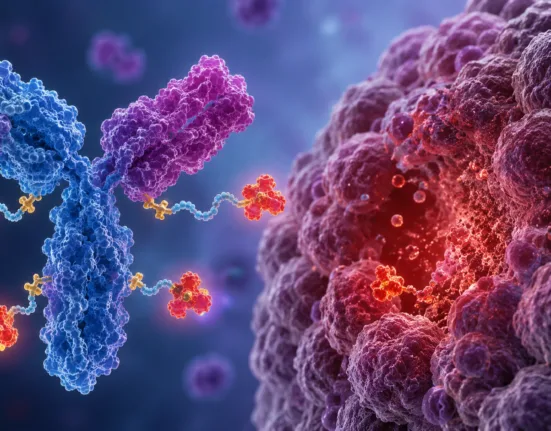
For much of the past two decades, monoclonal antibodies have dominated modern drug development. Their ability to bind with high specificity, block protein function, and engage immune mechanisms has transformed the treatment of cancer, autoimmune disorders, and infectious disease. But despite their blockbuster status, biologics have a blind spot. They are largely excluded from the intracellular environment, limited by their size, stability, and inability to cross the cell membrane. That boundary has become the next frontier for therapeutic innovation.
A new wave of chemistry-first platforms is challenging the dominance of antibodies by targeting what biologics cannot reach: the complex protein interactions and regulatory mechanisms that operate inside living cells. Using rational design, structural mimicry, and targeted degradation strategies, these companies are developing small molecules that not only reach intracellular targets, but modulate them with precision. As 2026 approaches, the question is no longer whether small molecules can complement antibodies—but whether, in some contexts, they can replace them altogether.
Why small molecules are going after spaces antibodies cannot
Biologics operate almost entirely in the extracellular space. They are large, complex proteins designed to interact with circulating ligands, surface receptors, or components of the immune system. Their size and polarity prevent them from diffusing across cell membranes, meaning they are functionally excluded from targeting intracellular proteins, transcription factors, and protein–protein interactions that drive many chronic diseases.
This limitation is particularly acute in oncology and fibrotic disease, where intracellular signaling cascades control cell proliferation, differentiation, and tissue remodeling. Many of these processes are governed by transcription factors, scaffold proteins, and regulatory complexes that lack conventional ligand-binding pockets. Because antibodies cannot access them, these targets have long been considered undruggable.
Small molecules offer an alternative path. Their reduced size and chemical diversity allow them to cross the cell membrane and engage intracellular targets. Historically, their use was confined to enzymes, ion channels, and nuclear receptors with well-defined pockets. But recent advances in structure-guided design, chemical biology, and high-throughput screening have expanded the universe of druggable proteins. Today, small molecules are being engineered not just to inhibit enzymatic function, but to disrupt protein interactions, alter protein conformation, or degrade specific proteins altogether.
What makes mimicry-based design attractive in fibrosis and oncology
One of the most promising strategies in this space is structural mimicry—the use of synthetic molecules that replicate the spatial features of key protein motifs. PRISM BioLab Co. Ltd., for example, has developed a proprietary platform called PepMetics, which produces small molecules that mimic the alpha-helical and beta-turn structures commonly found at protein–protein interfaces. These motifs are crucial for intracellular interactions, including transcription factor binding, signal transduction, and chromatin remodeling.
PepMetics compounds are designed to engage these interfaces selectively, disrupting pathogenic interactions without inhibiting entire protein families. In oncology, this opens the door to modulating transcription factors like β-catenin, which are central to cancer progression but structurally inaccessible to traditional small molecules. PRISM has already partnered with Eisai Co., Ltd. on a candidate targeting the CBP–β-catenin interaction in solid tumors, and with Ohara Pharmaceuticals Co., Ltd. on a separate program in fibrotic liver disease.
The appeal of mimicry-based design in fibrosis lies in its ability to target fibroblast activation pathways that are intracellular and poorly suited to antibody intervention. Transforming growth factor beta (TGF-β) signaling, for instance, is mediated by nuclear cofactors and transcriptional programs that drive collagen deposition and scarring. Small molecules that modulate these regulators at the level of protein interaction or degradation could provide a more upstream intervention than currently available therapies.
How chemistry platforms are converging with degradation technologies
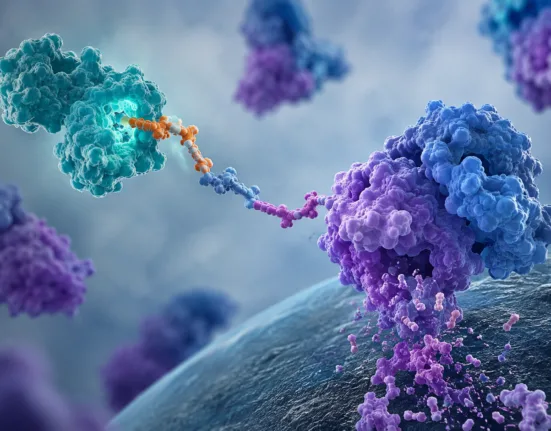
In parallel with structure-guided inhibition, a second revolution is underway: targeted protein degradation. This approach goes beyond blocking protein function and instead removes the protein entirely from the cell. The most established version of this technology is the proteolysis-targeting chimera, or PROTAC, which consists of a bifunctional molecule that links a disease-relevant target to an E3 ubiquitin ligase, marking it for degradation by the proteasome.
Companies like Arvinas, C4 Therapeutics, and Kymera Therapeutics are leading the charge in this space. Their platforms are capable of designing and optimizing bifunctional degraders that induce selective degradation of previously inaccessible proteins. Arvinas has advanced several PROTAC-based molecules into the clinic, including ARV-110 for prostate cancer and ARV-471 for breast cancer. These compounds are designed to degrade the androgen and estrogen receptors, respectively—targets that have long been addressed by inhibition but may be better controlled through complete removal.
C4 Therapeutics applies a structure-based approach to degrader design, leveraging insights from crystal structures and biophysical modeling to build degraders with optimal orientation and linker flexibility. Its lead program, CFT7455, targets IKZF1 and IKZF3 for the treatment of multiple myeloma and non-Hodgkin lymphoma. Unlike antibodies that block extracellular signaling, these molecules operate within the cell, disrupting transcriptional regulators that sustain cancer cell survival.
Kymera Therapeutics has expanded the modality to include inflammatory signaling, with candidates that degrade IRAK4 and STAT3 in autoimmune disease and hematologic malignancies. These proteins are deeply embedded in intracellular signaling networks, and their modulation through traditional biologics has proven difficult. Kymera’s degraders bypass that limitation by directing their removal at the protein level.
What unites these platforms is a convergence of structural chemistry, intracellular access, and mechanistic precision. Rather than rely on large protein-based therapeutics to bind extracellular targets, these companies are building small molecules that enter the cell, engage specific proteins, and either disable or remove them. This offers the potential for greater selectivity, lower immunogenicity, and improved pharmacokinetics—all within the same therapeutic class.
Why going beyond antibodies is about more than modality
The move toward intracellular small molecule platforms is not simply a shift in drug format. It reflects a deeper rethinking of what constitutes a druggable target. Antibodies will continue to play a dominant role in immuno-oncology, infectious disease, and extracellular receptor modulation. But in areas like fibrosis, neurodegeneration, and certain cancers, the most meaningful targets reside inside the cell, beyond the reach of even the most advanced biologics.
At the same time, biologics come with their own challenges. They require cold-chain logistics, are often administered intravenously, and can trigger immune responses. Small molecules, especially those designed for oral administration and intracellular delivery, offer advantages in scalability, patient compliance, and manufacturing.
The commercial opportunity is significant. As first-generation antibody drugs lose patent protection and payer scrutiny intensifies, pharmaceutical companies are looking for platforms that can deliver differentiated assets with novel mechanisms. Structure-guided mimetics and targeted degraders fit that profile. They are not me-too molecules but modality shifts that allow companies to revisit targets once abandoned as undruggable.
What success will look like for post-biologic platforms in 2026
The next 12 to 18 months will be critical for determining whether these chemistry-driven approaches can match or exceed the clinical impact of biologics. Investors and regulators will look for clear evidence of target engagement, functional modulation, and disease response in early-stage trials. The first PROTACs and PPI-targeting small molecules are already in human studies, and their performance will shape both scientific perception and commercial investment.
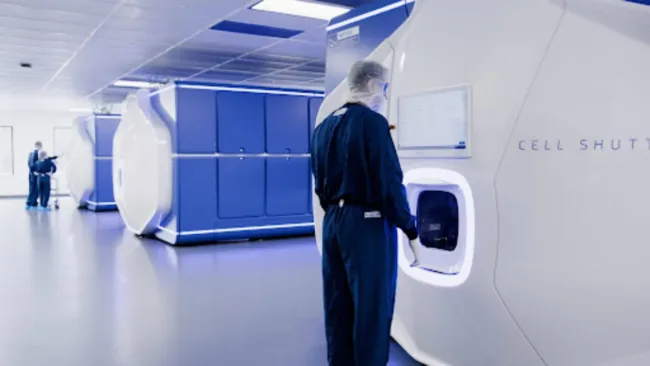
Manufacturability and safety will also play key roles. Unlike antibodies, which have a well-understood development and regulatory path, many of these new molecules occupy a gray area. Their bifunctional nature, cell permeability, and metabolic profiles will require new tools for risk assessment and quality control. Companies that can establish robust pipelines while maintaining predictable development timelines will have a strategic advantage.
Looking ahead, the most successful platforms may not abandon antibodies, but instead integrate their logic into a broader therapeutic architecture. Combination regimens, dual-modality approaches, and sequencing strategies could bring biologics and small molecules into synergistic alignment. But in areas where intracellular access and mechanistic precision are essential, structure-guided chemistry may not just supplement biologics—it may surpass them.