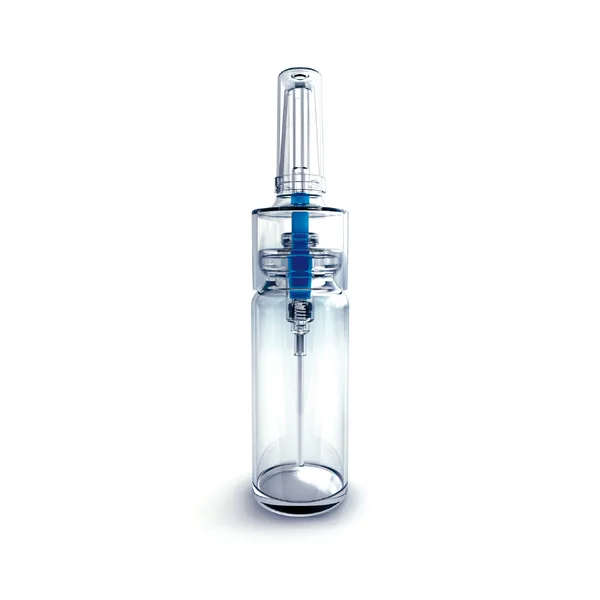
Oragenics, Inc. has received Human Research Ethics Committee approval in Australia to begin a Phase IIa clinical trial evaluating ONP-002, its investigational intranasal neurosteroid therapy for concussion, also known as mild traumatic brain injury. The United States–based clinical stage biotechnology developer has secured the regulatory clearances required to begin clinical site onboarding at three Australian hospitals, with Bayside Health at Alfred Health designated as the lead trial site.
The transition into mid stage testing places Oragenics within one of the most historically difficult areas of neurological drug development. Traumatic brain injury remains among the most prevalent neurological disorders worldwide, yet no pharmacological therapy has received regulatory approval specifically for concussion treatment. Industry observers note that decades of research into neuroprotective therapies have produced numerous experimental compounds but very few successful clinical outcomes. The Phase IIa program therefore represents an early attempt to determine whether ONP-002 can address biological processes associated with concussion rather than simply managing symptoms.
Why the absence of approved pharmacological therapies continues to define concussion treatment strategies
Concussion treatment remains largely supportive despite the enormous patient population affected each year. Emergency departments and sports medicine clinics typically rely on neurological observation, symptom monitoring, and gradual return to activity protocols. This conservative approach reflects the absence of drug therapies capable of altering the biological progression of injury after head trauma.
The lack of pharmacological options is not due to a lack of scientific interest. Pharmaceutical companies and academic researchers have explored multiple therapeutic targets over several decades, including anti inflammatory agents, antioxidants, glutamate modulators, and neuroprotective compounds. Many of these approaches showed promise in laboratory models but failed during clinical evaluation.
Clinical investigators tracking traumatic brain injury research suggest that the complexity of the condition partly explains these failures. Concussion involves a cascade of physiological changes rather than a single pathological pathway. Cellular inflammation, oxidative stress, metabolic disruption, and neuronal signaling abnormalities can develop simultaneously following injury. A drug that addresses only one component of this cascade may struggle to produce meaningful clinical improvement.
This complexity has pushed researchers to revisit strategies that attempt to stabilize neuronal environments more broadly. Neurosteroids such as ONP-002 are being studied because of their potential ability to influence several biological pathways associated with brain injury.
What the intranasal delivery strategy reveals about emerging approaches to brain targeted drug development
The delivery mechanism behind ONP-002 represents an important element of the program’s scientific rationale. Intranasal drug administration is increasingly explored as a method of transporting therapeutic compounds directly to the central nervous system.
Traditional drug delivery approaches face major challenges when targeting the brain. The blood brain barrier acts as a protective filter that prevents many molecules circulating in the bloodstream from reaching neural tissue. While this barrier protects the brain from toxins, it also complicates pharmaceutical development for neurological diseases.
Intranasal delivery may bypass some of these obstacles by allowing compounds to reach the brain through olfactory and trigeminal nerve pathways. Researchers studying neurological drug delivery have explored this approach for conditions including Alzheimer disease, Parkinson disease, and stroke.
Industry analysts observing intranasal therapeutics suggest that concussion treatment could represent an especially suitable application for this technology. A therapy that can be administered rapidly and reach brain tissue soon after injury might influence the inflammatory cascade associated with traumatic brain injury.
The success of such an approach remains uncertain, but the concept reflects a broader trend within neurology research. Developers are increasingly investigating targeted delivery methods capable of reaching neural tissue more efficiently than conventional systemic drugs.
How the Phase IIa clinical design reflects lessons learned from earlier traumatic brain injury trials
The clinical design selected for the ONP-002 study reflects evolving thinking about how concussion therapies should be evaluated. The trial will enroll approximately forty patients who present with concussion symptoms and meet eligibility criteria based on CT imaging findings, clinical presentation, and hospital admission.
One notable element of the protocol involves the timing of treatment initiation. Participants are expected to receive their first dose within twelve hours of injury. Clinical researchers widely believe that early intervention is essential if pharmacological therapies are to influence the biological cascade triggered by traumatic brain injury.
Once the injury occurs, inflammatory responses and cellular stress pathways begin to develop rapidly within the brain. Drugs administered too late may struggle to alter these processes once they are fully established. By targeting patients soon after injury, the trial aims to determine whether ONP-002 can intervene during this early phase.
The study will evaluate safety, tolerability, and feasibility through follow up assessments that include nasal examinations, neurological evaluations, and neurocognitive testing. Although the trial is not designed to demonstrate definitive clinical efficacy, the results could provide early signals regarding whether the therapy influences neurological recovery patterns.
What regulators and clinicians are likely to watch as ONP-002 moves deeper into clinical development
If the Phase IIa trial produces encouraging results, Oragenics is expected to pursue an investigational new drug submission to the United States Food and Drug Administration. That step would allow the biotechnology developer to expand testing within the United States and potentially initiate larger clinical trials.
Regulatory observers note that concussion drug development faces several evaluation challenges. One of the most significant involves endpoint selection. Symptoms of mild traumatic brain injury can vary widely between patients and may fluctuate during recovery, making it difficult to establish consistent outcome measures.
Clinicians also highlight the difficulty of separating treatment effects from natural recovery patterns. Many concussion patients improve gradually over time without medical intervention. Clinical trials therefore require carefully designed endpoints capable of detecting improvements beyond the expected course of recovery.
Patient heterogeneity represents another challenge. Mild traumatic brain injury encompasses a broad clinical spectrum ranging from brief neurological disruption to prolonged post concussion syndromes. Understanding which patient populations may benefit most from a therapy could become an important focus for later stage studies.
Operational considerations may also influence development. Intranasal therapies require specialized formulation stability and delivery systems that differ from conventional oral medications. Ensuring consistent administration across clinical environments may become an important factor if the therapy advances into larger trials.
Why early stage data from ONP-002 could influence the future direction of traumatic brain injury research
The broader traumatic brain injury research landscape has experienced repeated cycles of optimism followed by disappointment. Pharmaceutical developers have historically struggled to translate promising laboratory findings into clinical success.
Several high profile drug candidates targeting neuroinflammation and neuronal protection failed during clinical testing in previous decades. These setbacks contributed to reduced industry investment in traumatic brain injury therapeutics.
However, technological advances have gradually revived interest in the field. Improved neuroimaging methods, refined biomarker identification, and better clinical trial methodologies are enabling researchers to study concussion biology with greater precision.
Industry observers suggest that even modest progress from early stage programs could help rebuild confidence in the field. Demonstrating that a therapy can safely reach injured brain tissue and influence neurological outcomes might encourage renewed pharmaceutical interest.
The Phase IIa data expected before the end of 2026 will therefore represent an important checkpoint. Researchers, regulators, and industry analysts will examine whether ONP-002 demonstrates measurable neurological impact in patients recovering from concussion.