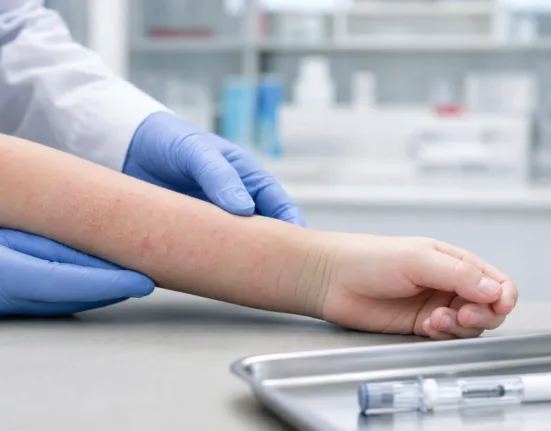
Almirall S.A. has received approval from the National Medical Products Administration (NMPA) in China for sarecycline hydrochloride (branded as Seysara), an oral narrow-spectrum tetracycline-class antibiotic for the treatment of inflammatory lesions in non-nodular moderate-to-severe acne vulgaris. The product is approved for patients aged nine and older and will be commercialized in China by Sinomune Pharmaceutical Co., Ltd., with availability expected by 2026.
This regulatory milestone marks a significant move in Almirall’s international dermatology strategy and signals a growing openness by Chinese regulators to differentiated, indication-specific antimicrobials in skin health. Sarecycline is the first oral antibiotic developed exclusively for dermatological use to be approved in China and represents a clinical and commercial shift in the way acne vulgaris may be treated in a market of over 100 million acne patients.
Why sarecycline’s entry marks a turning point for oral antibiotic stewardship in China’s dermatology sector
The approval of sarecycline underscores a regulatory inflection point in China’s dermatology market, where broader-spectrum antibiotics have historically dominated first-line systemic acne treatment. Chinese clinicians have long relied on agents such as doxycycline and minocycline, despite their limitations related to gut dysbiosis, systemic tolerability issues, and increasing concern over antibiotic resistance.
Sarecycline’s narrow-spectrum profile allows for targeted action against Cutibacterium acnes, while sparing most commensal microbiota. This pharmacological specificity aligns with both global and local trends in antimicrobial stewardship. Since 2021, Chinese regulators have issued tightening controls over antibiotic use, particularly in pediatric and adolescent populations where over-prescription remains a persistent issue.
Although sarecycline is not the first tetracycline-class drug available in China, it is the first to be specifically indicated for dermatological inflammatory lesions, with clinical trial endpoints that focus on reduction in lesion count and investigator-assessed clearance. The approval suggests a willingness by the NMPA to reward mechanistically differentiated drugs with dermatology-specific clinical data, even within established pharmacological classes.
Industry analysts believe that sarecycline’s entry may push dermatology departments across top-tier hospitals to re-examine their antibiotic prescribing protocols. However, uptake will likely remain concentrated in major cities and private dermatology chains unless the drug is integrated into national or regional acne treatment guidelines.
How sarecycline compares with legacy tetracyclines and why its pharmacology matters
From a mechanistic standpoint, sarecycline binds to the 70S bacterial ribosome at two distinct sites, believed to result in less off-target microbial disruption. Clinical trials have demonstrated early onset of efficacy—sometimes as early as three weeks—and fewer gastrointestinal adverse events compared to broader-spectrum tetracyclines. The once-daily dosing also improves adherence, particularly in adolescent populations.
While sarecycline does not introduce a new chemical class, its design as a narrow-spectrum tetracycline derivative represents a rare attempt to engineer a disease-specific antibiotic within the dermatology space. This stands in contrast to older agents like doxycycline, which were repurposed for acne rather than developed for it.
For Chinese regulators, the approval sends a signal that purpose-built antibiotics with strong target alignment and defined dermatology endpoints can gain traction, especially when supported by both global and China-based clinical trials. That dual-trial architecture was a likely factor in fast-tracking sarecycline’s approval through China’s regulatory system, which has increasingly prioritized real-world evidence and local population data.
What Almirall gains through its licensing model with Sinomune in China
By choosing Sinomune Pharmaceutical Co., Ltd.—a domestic dermatology-focused company with three decades of sector experience—Almirall is effectively outsourcing local commercialization complexity while retaining upside from one of the world’s fastest-growing dermatology markets. Sinomune’s track record in acne and inflammatory skin disorders positions it as a credible distributor within a fragmented and increasingly specialized care delivery environment.
Sinomune also operates one of the few CNAS-certified skin health labs in China, alongside a national postdoctoral research station. These credentials give it leverage in engaging with hospital dermatology departments, provincial drug listing authorities, and even private digital health platforms. The latter are especially relevant given the rise of online dermatology platforms like JD Health and Ping An Good Doctor, which increasingly account for skincare consultations and systemic prescriptions in urban China.
From Almirall’s perspective, the partnership also allows it to avoid the complexities of direct commercialization in a jurisdiction where regulatory compliance, market access, and KOL engagement all require deep local expertise. If successful, this licensing structure could form the basis for further APAC expansion, particularly in Southeast Asian markets where similar dermatology infrastructure constraints apply.
Risks around pricing, reimbursement, and access remain unresolved
Despite its regulatory success, sarecycline’s commercial trajectory in China will hinge on its pricing strategy and access to reimbursement lists. While it is unlikely to face immediate inclusion in China’s volume-based procurement (VBP) program due to its novel status, longer-term margin compression could occur if the drug gains significant market share and is pulled into price negotiations.
Reimbursement eligibility will also depend on its inclusion in national or provincial essential drug lists, which remains uncertain at this stage. Without such listing, sarecycline may remain out of reach for many patients in public hospitals, especially in secondary and rural care settings. That would leave Sinomune to drive most of its uptake through private clinics and e-commerce-driven telemedicine platforms, which are less price-sensitive but narrower in reach.
Additionally, while sarecycline has been studied in Chinese populations, there is still no large-scale antimicrobial resistance surveillance data for its use in China. Clinicians may hesitate to switch from established tetracyclines unless resistance benefits are proven locally, not just extrapolated from U.S. or European data.
Why sarecycline’s approval could influence future dermatology trials and antibiotic development
Sarecycline’s success in gaining approval for a dermatology-only indication could prompt a rethinking of how dermatology trials are designed in China and beyond. Historically, many systemic treatments for skin diseases were approved based on extrapolated data from broader infection or inflammatory disease trials. In contrast, sarecycline’s data package included acne-specific endpoints such as inflammatory lesion reduction and Investigator’s Global Assessment (IGA) response rates.
Its approval adds pressure on pipeline antibiotics and microbiome-modulating therapies for acne to demonstrate superiority or added value in similarly narrow clinical frames. This could raise the bar for emerging therapies that rely on broader mechanisms or seek multi-indication approvals.
More importantly, sarecycline’s entry may reinforce the notion that dermatology, long considered a secondary therapeutic area in China, deserves the same rigor of mechanistic, indication-specific innovation as oncology or autoimmune diseases. That reframing may push both domestic and global sponsors to revisit how they structure dermatology development programs and engage with China’s regulators.
What comes next: data dissemination, clinical uptake, and competitive response
Now that sarecycline has secured NMPA approval, attention will turn to launch preparedness and HCP education strategies. Industry observers expect Sinomune to invest heavily in dermatology continuing medical education (CME) campaigns that highlight sarecycline’s resistance profile, tolerability, and acne-specific design.
Meanwhile, competitive responses are likely. Companies marketing generic doxycycline and minocycline products in China may pivot to price-based defenses, bundling acne antibiotics with other dermatology offerings. At the same time, biotech firms pursuing non-antibiotic acne therapies—such as topical retinoid combinations, anti-inflammatory peptides, or microbiome-balancing agents—may use sarecycline’s approval to highlight gaps in resistance, cosmetic appeal, or long-term safety that newer modalities seek to fill.
Clinicians and regulators will be watching whether sarecycline shifts prescription patterns over the next 12 to 24 months, or whether it remains a premium-tier alternative reserved for specific patients. Its trajectory will shape not just Almirall’s prospects in China, but also how dermatology-focused pharma companies globally think about regulatory timing, partner selection, and trial localization in Asia’s largest pharmaceutical market.