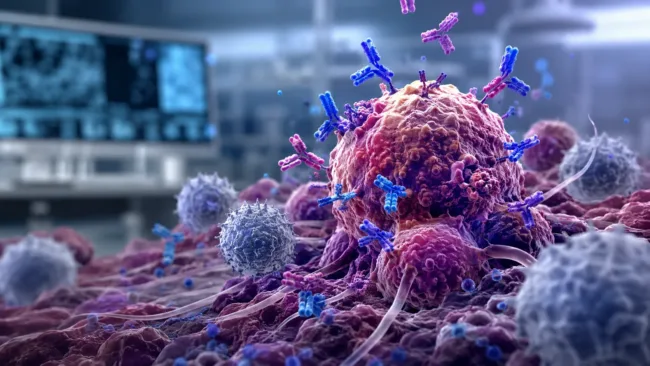
Great Novel Therapeutics Biotech & Medicals Corporation has received Investigational New Drug approval from the United States Food and Drug Administration for its cancer immunotherapy candidate GNTbm-38, enabling the Taiwan-based biotechnology developer to begin a Phase I clinical trial in patients with advanced solid tumors and relapsed or refractory peripheral T-cell lymphoma. The oral small-molecule therapy is described as an epigenetic immunoactivator designed to regulate gene expression and stimulate anti-tumor immune activity.
The clearance allows the first human testing of GNTbm-38 and places the experimental therapy within a growing category of oncology drugs that attempt to reshape the tumor microenvironment rather than directly kill cancer cells. For Great Novel Therapeutics Biotech & Medicals Corporation, the milestone represents a transition from preclinical development into the highly uncertain but strategically important stage of early clinical validation.
What this IND approval reveals about the growing shift toward immune-priming oncology therapies
The development rationale behind GNTbm-38 reflects an important shift occurring across oncology drug discovery. Over the past decade, immune checkpoint inhibitors transformed cancer treatment by unleashing the immune system against tumors. However, clinical experience has revealed a major limitation of these therapies: only a fraction of patients respond, and many tumors remain resistant even when checkpoint pathways are blocked.
Researchers increasingly attribute this resistance to the biological characteristics of the tumor microenvironment. Tumors that lack sufficient immune cell infiltration, often described as “cold tumors,” may fail to generate the immune activation necessary for checkpoint inhibitors to work effectively. As a result, a growing number of experimental therapies are being designed to convert cold tumors into immunologically active environments.
Epigenetic regulation has emerged as one possible approach to achieve this transformation. By influencing the molecular mechanisms that control gene expression, epigenetic drugs can potentially alter how tumor cells interact with the immune system. Industry observers note that this strategy aims to enhance immune recognition of tumors rather than relying solely on immune checkpoint blockade.
According to the development framework described by Great Novel Therapeutics Biotech & Medicals Corporation, GNTbm-38 is intended to modify gene regulation pathways while simultaneously stimulating immune activity within tumors.
If the mechanism translates successfully in humans, the drug could potentially function as an immune-priming therapy that enhances the activity of other immuno-oncology treatments.
What differentiates GNTbm-38 from earlier generations of epigenetic cancer drugs
Epigenetic therapies have existed in oncology for more than two decades. Several agents that modify DNA methylation or histone acetylation have been approved for hematologic malignancies, particularly certain leukemias and lymphomas. Despite these approvals, earlier epigenetic drugs were rarely positioned as immune-activating therapies.
Many of the first-generation compounds were developed primarily to disrupt gene regulation in cancer cells themselves. Although they produced clinical responses in some patients, their mechanisms were not specifically designed to reshape tumor immunity.
Great Novel Therapeutics Biotech & Medicals Corporation is attempting to position GNTbm-38 differently. The biotechnology developer describes the drug as a dual-function therapy that both regulates gene expression and activates anti-tumor immune responses.
Preclinical research conducted by the company suggests that the compound may influence the tumor microenvironment by altering immune cell composition and signaling pathways. These changes may include increasing infiltration of cytotoxic T lymphocytes while reducing immunosuppressive cell populations that can block immune responses.
Industry analysts following epigenetic oncology research suggest that such immune-modulating effects could make these therapies more compatible with modern immunotherapy strategies. Rather than competing with checkpoint inhibitors, they may function as enabling agents that amplify the immune system’s ability to recognize tumors.
What the Phase I trial design suggests about the company’s development strategy
The clinical program for GNTbm-38 follows a conventional early-stage oncology trial structure. The Phase I study will begin with dose escalation to evaluate safety and tolerability before expanding into additional cohorts designed to explore preliminary signs of efficacy.
The study population includes patients with advanced solid tumors as well as individuals with relapsed or refractory peripheral T-cell lymphoma.
The choice of these indications reflects strategic considerations common in early oncology development. Peripheral T-cell lymphoma represents a rare and aggressive cancer type with limited treatment options, which may create opportunities for accelerated regulatory pathways if early signals appear promising.
At the same time, the inclusion of advanced solid tumors allows investigators to assess whether the therapy has broader immunomodulatory potential across different tumor types. If immune activation can be demonstrated in multiple cancer settings, the development program could expand significantly.
Regulatory watchers often view such mixed-indication Phase I trials as exploratory platforms designed to identify the patient populations most likely to benefit from experimental therapies.
Why the oral formulation could influence long-term clinical adoption
Another feature that distinguishes GNTbm-38 from many immunotherapy candidates is its oral delivery format. Most established immuno-oncology drugs are monoclonal antibodies that must be administered intravenously in clinical settings.
Orally administered therapies could potentially reduce treatment complexity and allow more flexible dosing schedules. For patients receiving combination regimens, an oral immune-modulating agent could serve as a continuous therapy while intravenous treatments are delivered intermittently.
Clinicians tracking oncology drug development note that oral small-molecule immunotherapies remain relatively uncommon compared with antibody-based approaches. If proven effective, such drugs could expand the therapeutic toolkit available to oncologists.
However, oral oncology drugs also introduce unique development challenges. Maintaining consistent drug exposure can be difficult due to variations in metabolism, adherence, and gastrointestinal absorption. Early clinical trials will therefore need to closely evaluate pharmacokinetics and dosing patterns.
What combination strategies could determine the therapy’s commercial viability
In modern oncology development, the commercial prospects of new drugs often depend heavily on their ability to function within combination regimens. Single-agent responses are increasingly rare in advanced cancers, particularly in solid tumors with complex immune environments.
Great Novel Therapeutics Biotech & Medicals Corporation has indicated that GNTbm-38 may eventually be evaluated in combination with other oncology therapies including immune checkpoint inhibitors, multi-kinase inhibitors, and bispecific antibodies targeting immune pathways.
Such combinations are consistent with broader industry trends. Many experimental immuno-oncology therapies are designed to enhance existing treatment backbones rather than replace them.
Industry observers note that successful immune-priming drugs can become highly valuable assets if they demonstrate synergy with widely used checkpoint inhibitors. Large pharmaceutical companies often seek such compounds as partners to expand the efficacy of their immunotherapy franchises.
Nevertheless, combination development introduces additional complexity in clinical trials and regulatory review. Safety profiles must be carefully evaluated, and demonstrating incremental benefit beyond established therapies can be challenging.
What regulators and clinicians will watch as human data emerges
Although the IND clearance represents an important milestone, the clinical path ahead remains uncertain. Early oncology trials frequently reveal safety issues or limited efficacy that prevent drugs from advancing to later stages of development.
For GNTbm-38, regulators and clinicians will likely focus on several early indicators. Biomarker data showing immune activation within tumors could provide important validation of the drug’s proposed mechanism.
Researchers will also evaluate whether the therapy produces measurable changes in the tumor microenvironment, such as increased infiltration of cytotoxic immune cells or reduced immunosuppressive signaling.
Safety signals will also be closely monitored. Epigenetic drugs have historically produced hematologic toxicities and other systemic side effects due to their influence on gene regulation pathways.
Ultimately, the Phase I trial will determine whether the theoretical advantages of epigenetic immune activation translate into a viable clinical strategy.
What the milestone suggests about Taiwan’s ambitions in global oncology innovation
Beyond the clinical program itself, the IND approval highlights the evolving role of Taiwan’s biotechnology sector in global drug development. Historically, much of the region’s pharmaceutical industry focused on generics, biosimilars, and regionally marketed therapies.
Great Novel Therapeutics Biotech & Medicals Corporation has already launched an oncology drug in Taiwan, Kepida, for the treatment of hormone receptor positive advanced breast cancer.
The advancement of GNTbm-38 into U.S. clinical trials signals an ambition to participate more directly in the global oncology innovation ecosystem. Early clinical success could help attract international partnerships and investment into Taiwan’s biotechnology sector.
Industry observers note that such developments are part of a broader regional trend in which Asian biotech companies increasingly pursue first-in-class therapeutic mechanisms rather than focusing exclusively on regional commercialization.
What the oncology industry will watch next as the clinical program unfolds
The coming years will determine whether GNTbm-38 becomes a meaningful addition to the expanding arsenal of cancer immunotherapies or remains an early-stage experiment that fails to translate beyond Phase I testing.
Clinicians will watch closely for evidence that the drug can meaningfully reshape the tumor microenvironment in human patients. Demonstrating such effects could open the door to combination trials with established immunotherapies.
Regulatory watchers will monitor safety data and biomarker evidence to determine whether the therapy’s mechanism is sufficiently validated to justify larger studies.
For Great Novel Therapeutics Biotech & Medicals Corporation, the IND approval marks the beginning rather than the culmination of the development journey. The first clinical results will ultimately determine whether the company’s epigenetic immunoactivator strategy can compete in one of the most crowded and competitive areas of oncology drug research.