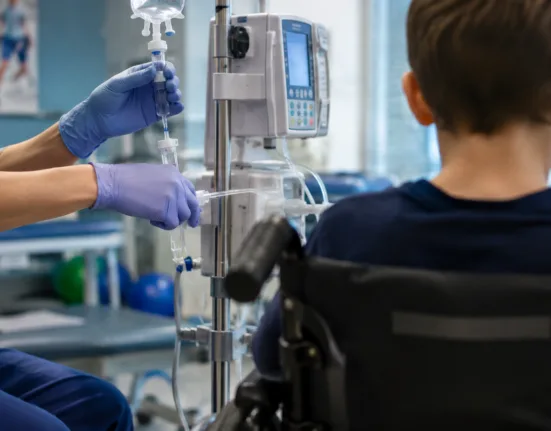
Ractigen Therapeutics has initiated human testing of RAG-18, a novel small activating RNA (saRNA) therapeutic candidate for Duchenne muscular dystrophy (DMD), by dosing the first patient in an investigator-initiated trial at Peking Union Medical College Hospital in Beijing. The study is being led by Professor Dai Yi, a recognized expert in neuromuscular disorders, and will evaluate the safety and pharmacokinetics of RAG-18 while exploring its potential to improve muscle function by targeting the UTRN gene to upregulate utrophin protein expression.
How RAG-18 challenges mutation-specific DMD therapy models
The development of RAG-18 represents a direct challenge to the mutation-specific frameworks that dominate the current therapeutic landscape for DMD. Most existing treatments, such as exon-skipping agents or gene therapies, rely on tailoring the approach to subsets of patients with specific mutations in the dystrophin gene. By contrast, RAG-18 proposes a universal model that could theoretically benefit the entire DMD patient population by restoring muscle function through utrophin upregulation.
Utrophin, a naturally occurring structural protein with functional similarity to dystrophin, has long been considered a potential workaround for the genetic complexity of DMD. However, previous attempts to modulate utrophin levels have faced limitations in terms of drug delivery, tissue penetration, and transcriptional activation. Ractigen Therapeutics is now attempting to overcome these barriers using saRNA technology, which operates not by editing or replacing genes, but by turning gene expression on via a process called RNA activation.
Why RNA activation may redefine the DMD therapeutic playbook
RNA activation, or RNAa, is a fundamentally different approach from RNA interference or antisense-based gene silencing. Rather than knocking down gene expression, RNAa uses small double-stranded RNAs to target promoter regions and stimulate transcription of a specific gene. In the case of RAG-18, this mechanism is used to increase expression of the UTRN gene, which encodes the utrophin protein.
This technology is significant because it could allow for endogenous production of therapeutic proteins in tissues where gene replacement strategies have struggled, particularly skeletal and cardiac muscle. Importantly, RNAa is not limited by the size constraints that affect gene therapy vectors, such as adeno-associated virus systems, which often cannot carry the full-length dystrophin gene. Ractigen Therapeutics claims that the saRNA payload is efficiently delivered using its proprietary LiCO platform, a lipid-conjugated oligonucleotide system designed for optimal tissue targeting and cellular uptake.
What makes this trial different from conventional exon-skipping approaches
The clinical trial at Peking Union Medical College Hospital is not the first attempt to address DMD via novel mechanisms, but it may be the first to attempt utrophin upregulation through a pharmacological RNA platform in humans. This sets it apart from exon-skipping therapies such as eteplirsen and golodirsen, which only target specific mutations and require lifelong administration. Those therapies are often criticized for modest efficacy and narrow patient applicability.
RAG-18’s ability to act independently of dystrophin mutation class means it could potentially be applied to all DMD patients, including those with mutations that are currently untreatable. It also avoids the immune response complications associated with viral gene therapies and offers a reversible and adjustable modality that could be better suited for pediatric and long-term use.
Why preclinical signals have raised industry interest
Preclinical studies conducted by Ractigen Therapeutics demonstrated that RAG-18 significantly increased UTRN expression in muscle tissues, reduced muscle damage, and improved functional parameters in DMD animal models. These results were achieved using the company’s LiCO delivery system, which is claimed to enable precise targeting to muscle cells. The U.S. Food and Drug Administration granted RAG-18 both Orphan Drug Designation and Rare Pediatric Disease Designation in 2024, citing its potential to serve an unmet need in pediatric rare disease treatment.
The designation brings with it certain benefits, including potential market exclusivity, tax credits, and a priority review voucher if the product is eventually approved. However, these signals of regulatory interest do not guarantee success, and the transition from preclinical promise to clinical performance has proven difficult for many RNA-based therapies.
How the trial design could influence regulatory momentum
The current trial is structured as an investigator-initiated study led by Professor Dai Yi. It focuses on safety and pharmacokinetics as primary endpoints, with secondary exploration of potential muscle function improvements. This allows Ractigen Therapeutics to generate early human data without fully committing to a company-sponsored program at this stage. While this is a common strategy among early-stage biopharmaceutical developers, it also means the study’s rigor and reproducibility will be closely scrutinized by both regulators and potential partners.
Industry observers suggest that future trials will need to incorporate well-powered functional endpoints such as the six-minute walk test or North Star Ambulatory Assessment to support registration. Biomarkers such as utrophin protein levels in muscle biopsies or serum markers of muscle damage could also play a critical role in de-risking development before a pivotal trial is launched.
What separates RAG-18 from traditional gene therapy programs
The field of DMD drug development is increasingly split between gene therapy and RNA-based approaches. While gene therapies aim to deliver mini-dystrophin via viral vectors, these programs are often limited by immunogenicity, vector manufacturing capacity, and challenges in re-dosing. RAG-18 sidesteps these issues by activating an existing gene rather than inserting a new one, offering a more modular and potentially repeatable treatment modality.
This may position RAG-18 as a complementary option rather than a direct competitor to gene therapy. In clinical practice, patients ineligible for gene therapy due to age, antibodies, or genotype could benefit from an RNAa-based regimen. If proven safe and effective, such therapies could also serve as a bridge or maintenance strategy for patients awaiting gene therapy or recovering from adverse events.
What delivery challenges remain for systemic RNA therapeutics in muscle
Despite advances in oligonucleotide chemistry and delivery systems, systemic delivery of RNA therapies to skeletal and cardiac muscle remains a bottleneck. Ractigen Therapeutics claims that its LiCO platform can overcome this limitation, but the trial will be the first test of this claim in humans. If successful, LiCO could emerge as a delivery platform of interest beyond DMD, enabling broader applications in muscle, CNS, and potentially metabolic disorders.
However, scalability, reproducibility, and toxicity profiles will need to be evaluated in larger populations and over extended dosing schedules. The company will also need to demonstrate manufacturing compliance under good manufacturing practices to meet regulatory expectations in future phases of development.
What the broader industry is watching as RAG-18 enters the clinic
For Ractigen Therapeutics, the dosing of the first patient in this trial is a milestone that could shape its position in the RNA therapeutics ecosystem. Investors and analysts will be watching closely for early safety data, biomarker trends, and any signs of clinical efficacy, however exploratory. The ability to transition from an academic-led trial to a global development program with clear regulatory endpoints will be key to determining whether RAG-18 becomes a viable asset or remains a promising preclinical concept.
Clinicians in the neuromuscular field will also be watching to see how well the therapy is tolerated in a pediatric population and whether the saRNA mechanism leads to consistent utrophin expression. The longer-term question is whether RNAa can be applied to other genetic disorders where traditional gene editing has struggled, creating a new category of transcriptional modulation therapeutics.
Why the RAG-18 trial could mark a turning point for RNA activation in rare disease
The clinical debut of RAG-18 marks a turning point for the emerging field of RNA activation therapeutics. By targeting utrophin rather than dystrophin, Ractigen Therapeutics is proposing a mutation-agnostic, potentially pan-genotypic solution for Duchenne muscular dystrophy that could offer meaningful alternatives to current exon-skipping and gene therapy options. While challenges remain in trial design, delivery, and regulatory transition, the study now underway in Beijing may provide the first human signal that RNAa is ready to move from theoretical promise to clinical relevance.