What FDA expanded enrollment means for Signature Biologics’ Duchenne cell therapy program
FDA allows up to 30 more patients in Signature Biologics’ DMD UC-MSC program, expanding access while efficacy remains unproven.

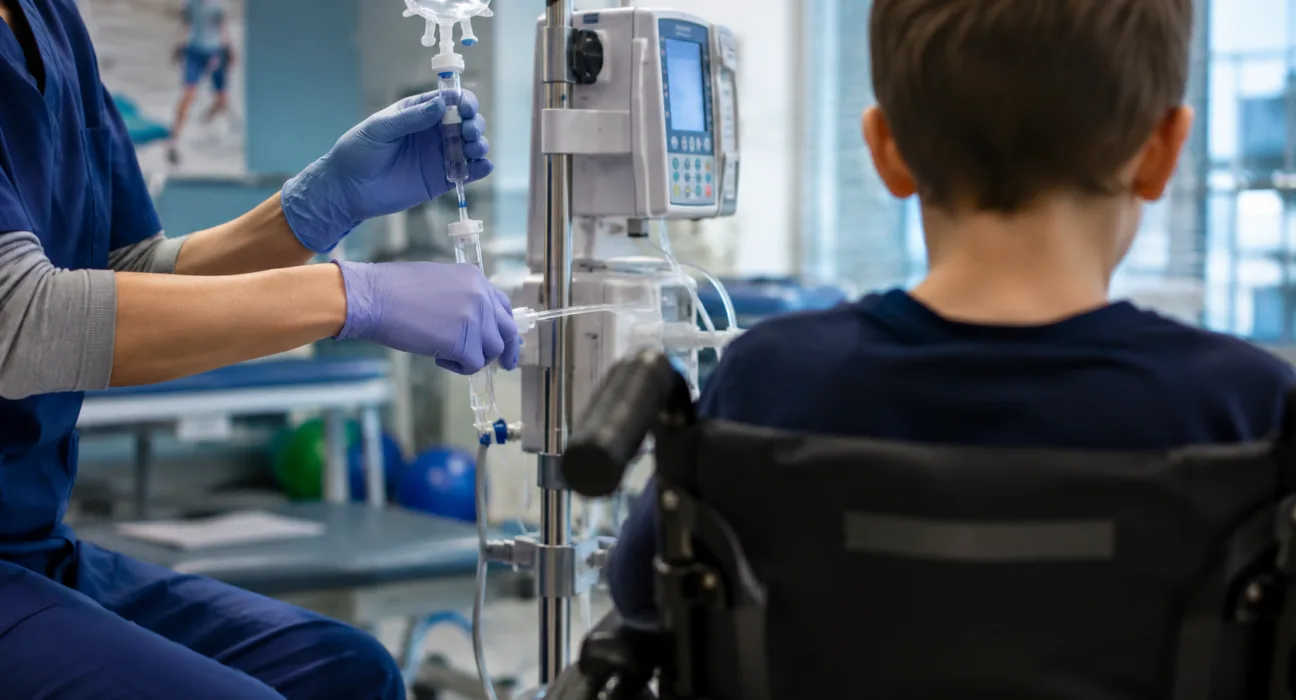
FDA allows up to 30 more patients in Signature Biologics’ DMD UC-MSC program, expanding access while efficacy remains unproven.
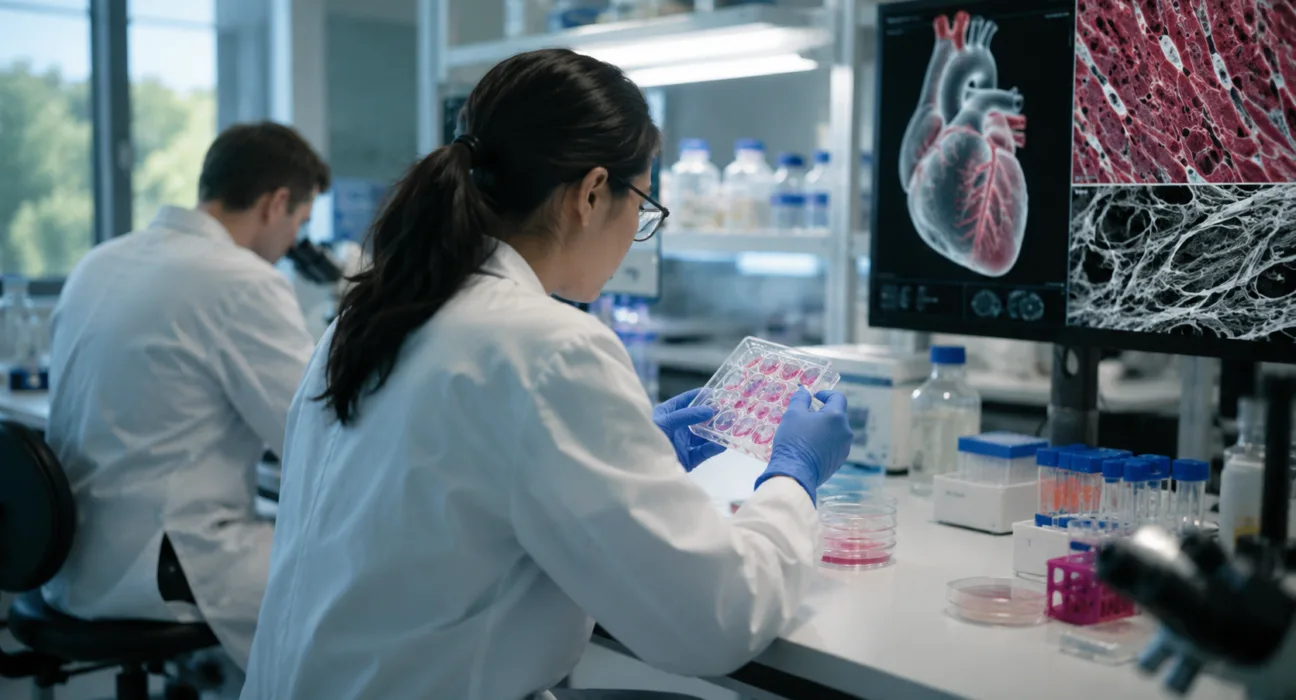
Greenstone Biosciences secured an NIH R61 grant to discover cardiac fibrosis drugs for Duchenne muscular dystrophy using iPSC and AI models.

Capricor Therapeutics faces an August 22 FDA decision for deramiocel after advisers voted that the available evidence did not establish effectiveness in Duchenne muscular dystrophy cardiomyopathy. The disputed case now turns on statistical methods, the treatment indication and whether supportive upper-limb results can overcome unresolved cardiac evidence.

IPS HEART gains FDA rare pediatric designation for ISX9-CPC, but the iPSC heart therapy remains preclinical as human testing becomes the key hurdle.

FDA advisers voted 9 to 3 against deramiocel’s Duchenne cardiomyopathy evidence after challenging the Phase 3 analysis and trial population.

See how Russell 2000 inclusion expands Precision BioSciences’ investor reach while PBGENE-HBV and PBGENE-DMD face critical clinical tests.

Discover how Nippon Shinyaku’s EXG-7001 option could advance full-length dystrophin mRNA therapy for Duchenne muscular dystrophy.

Find out how cTAP’s Duchenne prognostic score could improve DMD trial design and loss of ambulation prediction.
Servier is buying sevasemten before pivotal muscular dystrophy data. The deal gives Edgewise cash and investors a sharper cardiology story.

Angelini gains U.S. rare disease scale. Catalyst gets certainty, but Firdapse concentration keeps the real test ahead.