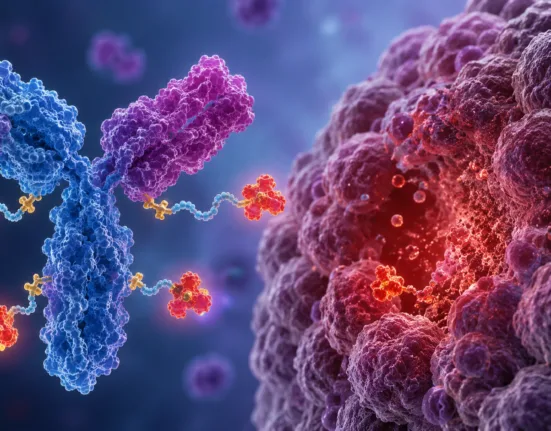
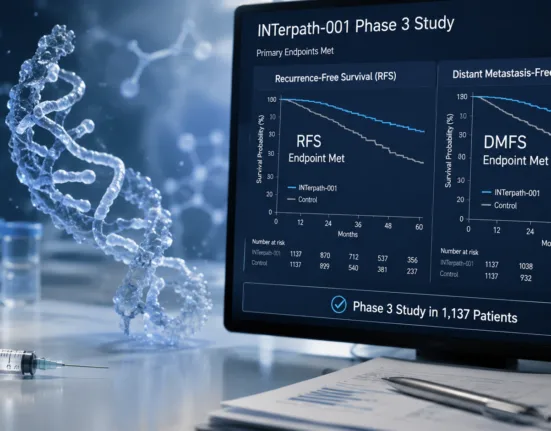
Few ideas have captivated both the scientific imagination and biotech investment flows quite like the cancer vaccine. For decades, the industry narrative was full of hope—and disappointment. The graveyard of failed trials stretches from Dendreon’s Provenge to once-hyped peptide and dendritic cell platforms. For every announcement of an “immune breakthrough,” there seemed to be a subsequent retraction, as cancer’s complex defenses repeatedly thwarted attempts to train the immune system against it.
What’s different in 2025? Analysts tracking oncology innovation suggest that the sector is finally seeing a convergence of immunology insight, antigen discovery, and precision delivery. The emergence of “retired protein” vaccine strategies—where the immune system is primed to target proteins no longer found in healthy adult tissues—represents a new chapter. Recent data from Anixa Biosciences and Cleveland Clinic, along with pipeline progress at BioNTech and Moderna, point to a next wave of immunization approaches designed to sidestep earlier failures.

How does the “retired protein” strategy work, and why is it attracting so much attention?
Unlike classic cancer vaccine efforts that targeted antigens also present in normal cells (risking off-target effects), “retired protein” vaccines focus on proteins that the adult body essentially forgets after early development or specific physiological periods. The poster child: alpha-lactalbumin, a lactation protein expressed in the breast only during breastfeeding, but re-emerging in some breast cancers—particularly the triple-negative subtype. The approach, pioneered by the late Dr. Vincent Tuohy at Cleveland Clinic and advanced by Anixa Biosciences, is simple in theory: teach the immune system to recognize this long-retired protein so it attacks only malignant cells, sparing healthy tissue.
This specificity matters. Early cancer vaccine failures were often hampered by autoimmune toxicity or a lack of strong immune activation, especially when antigens weren’t cancer-specific enough. By homing in on “retired proteins,” researchers believe they can break through both the safety and efficacy barriers that doomed prior candidates.
What does Anixa Biosciences’ Phase 1 breast cancer vaccine data reveal about the new paradigm?
The recent final data from Anixa Biosciences’ Phase 1 trial, presented at the 2025 San Antonio Breast Cancer Symposium, has injected fresh optimism into the sector. The vaccine targeting alpha-lactalbumin met all primary endpoints: it was safe, well tolerated, and sparked protocol-defined immune responses in 74% of participants. The trial enrolled high-risk women post–triple-negative breast cancer, BRCA mutation carriers, and a cohort combining the vaccine with pembrolizumab (Keytruda). Notably, the combination did not produce significant new side effects, addressing a major hurdle seen in earlier immunotherapy pairings.
Immunologists and industry observers see this as validation of the “retired protein” concept—especially since the side effect profile was limited to mild injection-site irritation, with no severe autoimmune flares. Anixa Biosciences’ decision to pursue a Phase 2 combination trial in newly diagnosed patients (in partnership with Merck & Co.’s Keytruda) signals growing confidence that the approach could complement—and maybe even surpass—the checkpoint inhibitor revolution.
How do “retired protein” vaccines stack up against mRNA and neoantigen platforms?
The resurgence of cancer vaccine interest isn’t just about new antigens; it’s about new delivery technologies. mRNA vaccines, propelled into the limelight by COVID-19, are now being tailored to oncology—most notably at BioNTech and Moderna. These platforms can encode any tumor antigen, including “retired proteins,” and rapidly iterate vaccine design for individual tumors or shared targets. Moderna’s pipeline, for example, now features personalized mRNA cancer vaccines in collaboration with Merck & Co., with early data showing promise in melanoma and other solid tumors.
Yet, the “retired protein” strategy brings an extra layer of selectivity. By picking antigens the immune system hasn’t seen since early life or lactation, researchers hope to avoid the risk of cross-reactivity seen in some neoantigen approaches. Meanwhile, peptide vaccines and classic protein subunit designs are also being rebooted with better adjuvants and immune monitoring.
Analysts suggest that the next generation of cancer vaccines will likely combine the strengths of multiple platforms: using mRNA or viral vectors to deliver highly specific “retired protein” sequences, perhaps alongside checkpoint blockade, to maximize both immune priming and anti-tumor effect.
What scientific and regulatory hurdles still remain for cancer vaccines to become mainstream therapy?
Despite the optimism, the path forward is far from clear-cut. Cancer is a master of immune evasion; tumors can suppress or outmaneuver the very responses vaccines are designed to elicit. Regulatory agencies have also been cautious, demanding clear efficacy signals and long-term safety data—especially in preventive or adjuvant settings where patients are otherwise healthy.
Long-term monitoring is critical, as the ultimate promise of these vaccines is not just to treat but to prevent recurrence or onset in high-risk populations. Anixa Biosciences, for instance, plans to follow Phase 1 participants for five years to track durable protection and catch any delayed autoimmune events. Meanwhile, scaling up manufacturing, controlling costs, and ensuring broad access all pose formidable logistical challenges.
The U.S. Department of Defense’s funding of the Anixa trial underscores another angle: public-sector investment in high-risk, high-reward innovation. Government and non-profit partnerships are likely to remain key drivers for moving vaccines through early trials and into pivotal studies, particularly in rare or aggressive cancer types.
Are investors and the biotech sector betting on a new era for cancer vaccines, or is skepticism still high?
The market has responded with cautious enthusiasm. After years of high-profile flops, investors have become more sophisticated about what makes a vaccine candidate credible. Anixa Biosciences’ shares saw an uptick on the Phase 1 news, but seasoned biotech analysts note that true value will be unlocked only if upcoming Phase 2 trials confirm both safety and clinical benefit in real-world endpoints—tumor shrinkage, recurrence reduction, and improved survival.
Institutional investors are tracking not only Anixa but also BioNTech, Moderna, and a raft of smaller firms reviving cancer vaccine strategies. The presence of pharmaceutical giants like Merck & Co. in these partnerships adds confidence, but also raises the stakes for meeting endpoints that matter to clinicians and payers.
What milestones and signals should clinicians, patients, and investors watch for next?
As the field evolves, several indicators will signal whether cancer vaccines are finally turning a corner. First, robust, durable immune responses in larger, placebo-controlled trials. Second, a clear correlation between target antigen expression (like alpha-lactalbumin) and patient outcomes. Third, regulatory engagement on pathways for preventive or early-intervention use—not just in metastatic or salvage settings.
Finally, the arrival of head-to-head data comparing “retired protein” vaccines, mRNA platforms, and other novel modalities will help determine which strategies truly move the needle for patients.
Is this the turning point for cancer vaccine innovation?
While optimism alone won’t conquer cancer, the latest wave of vaccine strategies—led by “retired protein” targeting and next-gen delivery platforms—represents the sector’s most credible push yet. For the first time, immunologists, drugmakers, and investors seem aligned on both the science and the commercial pathway. Anixa Biosciences’ Phase 1 results are not a finish line, but they are a genuine signal that after decades of false starts, cancer vaccines may be poised to deliver on their boldest promise.