Lumos Infinitas USA Inc announced at CES 2026 that it will demonstrate multiple silicon‑photonics‑enabled sensing systems spanning urban infrastructure and physiological measurement, including the CITEYE continuous‑operation LiDAR and a non‑contact Kimo Bloodspeed Pro for pulse wave velocity workflows. The company positioned Kimo Bloodspeed Pro as a portable, non‑diagnostic solution for pulse wave velocity assessment, a metric increasingly discussed for its link to vascular stiffness and cardiovascular risk.
This announcement at a consumer technology showcase underscores the increasing intersection between advanced physics‑based sensing and clinical measurement domains. What matters now is whether silicon photonics, which promises miniaturization and lower costs, can transition from industrial prototypes to tools that fit within clinical workflows, regulatory frameworks, and reimbursement paradigms.
Silicon photonics and the promise of clinical sensing
Silicon photonics refers to optical systems integrated on silicon chips, a technology long championed for telecom and industrial sensing because it allows complex optical functions in small, power‑efficient formats. Industry observers note that such miniaturization could be a boon for next‑generation clinical sensing, where wearable, contactless, or continuous measurement tools are highly sought after for early disease detection and health monitoring.
In the context of physiological sensing, the appeal lies in the potential to move beyond traditional contact‑based methods like cuffs or electrodes. Pulse wave velocity (PWV) is recognized as a surrogate for arterial stiffness, and elevated PWV correlates with cardiovascular risk in epidemiologic studies. Conventional PWV measurement requires synchronized recordings at two arterial sites, typically via tonometry or pressure cuffs, which limits scalability and patient acceptance. A non‑contact optical workflow, if accurate, affordable, and robust, could broaden clinical access and facilitate repeated measurements in outpatient or ambulatory settings.
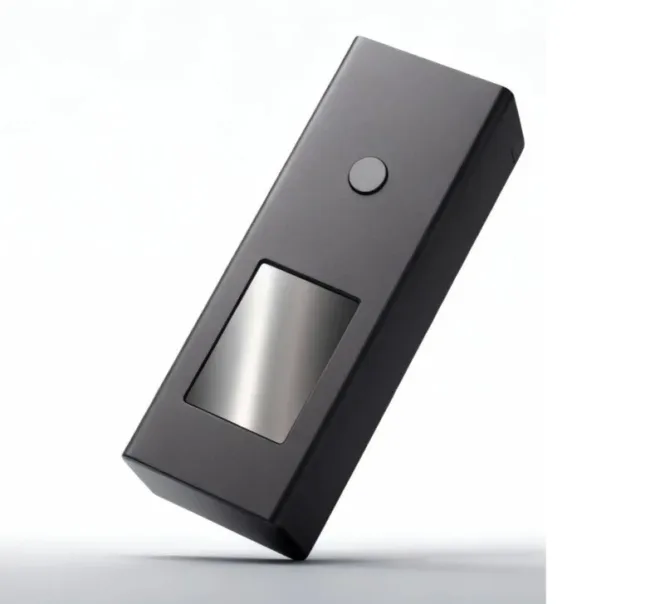
However, the leap from engineering demonstration to clinical utility is substantial. Experts tracking vascular biomarkers point out that PWV measurement accuracy is tightly bound to signal quality and anatomical calibration. Non‑contact approaches must contend with motion, tissue heterogeneity, and ambient interference—challenges that differ from those in industrial sensing even when photonics is involved.
CITEYE LiDAR and the blurred line between medical and industrial uses
The CITEYE FMCW LiDAR highlighted at CES is designed for smart‑city analytics such as traffic and motion detection. While not a medical product, its inclusion alongside physiological sensing reflects a broader trend of dual‑use optical technologies. The physics that enable long‑range, precise ranging also support time‑of‑flight measures relevant to biological motion or markerless tracking.
Yet, the regulatory and performance bar in healthcare is fundamentally higher. A LiDAR system optimized for vehicles and pedestrians need not meet the precision, repeatability, and safety standards required for devices that inform clinical decisions. Regulatory watchers suggest that companies entering this space must fundamentally rethink design controls, human subject variability, and quality systems for compliance with medical device directives, whether in the United States, Europe, or Asia.
Clinical relevance and validation imperatives
The central question for Kimo Bloodspeed Pro is not photonics per se but clinical relevance. Pulse wave velocity has value in research and select specialty clinics, but adoption in primary care or cardiology hinges on clear evidence of incremental benefit over existing methods. Industry analysts emphasize that to influence clinical guidelines or reimbursement, robust comparative studies demonstrating accuracy against gold‑standard measurements are essential.
At present, the company’s framing of Kimo Bloodspeed Pro as “not presented as a diagnostic device” suggests a preliminary positioning outside regulated diagnostic use. This could allow early user feedback but also signals that rigorous clinical validation is pending. Clinicians emphasize that non‑contact PWV measurements must not only correlate with reference methods but also be interpretable in the context of confounders such as heart rate changes, peripheral arterial disease, or patient movement.
If Lumos Infinitas pursues a regulated pathway in the future, trial design will be critical. Randomized comparisons against established tonometry in diverse populations, with statistical plans to demonstrate non‑inferiority or superiority, would strengthen the case. The absence of regulatory clarity at launch raises questions about how stakeholders such as payers and health systems would view adoption and reimbursement.
Regulatory and adoption hurdles
Non‑contact physiological sensing resides in an ambiguous regulatory space. Devices marketed for wellness or general fitness often avoid rigid scrutiny by not claiming to diagnose or monitor disease. However, once a tool like Kimo Bloodspeed Pro enters clinical settings with PWV analytics, regulators in the United States, Europe, and elsewhere will classify it based on intended use, risk profile, and the claims made. Even minimal clinical claims could trigger medical device regulations requiring quality management systems and premarket submissions.
Regulatory watchers suggest that positioning such devices at CES—a technology platform rather than a healthcare audience—allows companies to gather interest without premature regulatory commitments. Yet, this strategy can backfire if stakeholders perceive a lack of clinical credibility or clarity on how the product fits within evidence‑based care pathways.
Adoption challenges extend beyond regulators. Health systems are cautious about incorporating new biomarkers without clear evidence that they change management or outcomes. Payers typically require demonstration of cost‑effectiveness before covering new measurements, particularly if they influence risk stratification or preventative care.
Manufacturing, scalability, and interoperability considerations
Silicon photonics promises cost advantages through integration and potential economies of scale. If production costs for sensors like Kimo Bloodspeed Pro can rival traditional optical or pressure‑based devices, the economic case for widespread deployment strengthens. Yet, mass production in the medical context demands rigorous quality control, supply chain validation, and servicing infrastructure that differ from consumer electronics.
Interoperability with electronic health records and clinical decision support tools is another hurdle. A PWV reading alone offers limited value without integration into longitudinal patient data, risk calculators, or clinician workflows. Health IT integration often requires adherence to standards that technologies emerging from non‑medical sectors may not yet support.
What’s next for photonics in clinical sensing
The demonstration of multiple photonics applications at CES signals growing interest in cross‑industry innovation. For photonics to gain traction in clinical settings, companies must transition from showcase demonstrations to regulated product pathways, backed by clinical validation and stakeholder alignment.
Lumos Infinitas’ efforts will be closely watched for subsequent moves toward clinical studies, regulatory submissions, and partnerships with healthcare institutions. If the company can demonstrate that its non‑contact PWV measurement aligns with clinical decision needs and meets regulatory expectations, it could carve a novel niche in cardiovascular risk assessment tools. Conversely, failure to articulate a credible adoption roadmap may consign photonics‑based physiological sensing to the promise category.
Regulatory clarity, robust evidence, and integration with clinical workflows will determine whether technologies like Kimo Bloodspeed Pro evolve beyond innovative prototypes to tools that influence patient management. For now, the announcement at CES sets the stage but leaves critical questions unanswered about real‑world use, clinical value, and long‑term viability in regulated healthcare markets.
How Lumos Infinitas can move from concept to clinical relevance
Lumos Infinitas’ CES 2026 showcase highlights the potential breadth of silicon photonics, spanning industrial LiDAR to emerging physiological sensing. The company’s non‑contact PWV tool, while intriguing, sits at an inflection point between technical feasibility and clinical utility. What matters next is rigorous validation, regulatory clarity, and strategic alignment with healthcare stakeholders to determine whether photonics can meaningfully enhance physiological measurement in clinical care.

What Lumos Infinitas’ CES showcase reveals about the next wave of physiological sensing added by Pallavi Madhiraju on
View all posts by Pallavi Madhiraju →