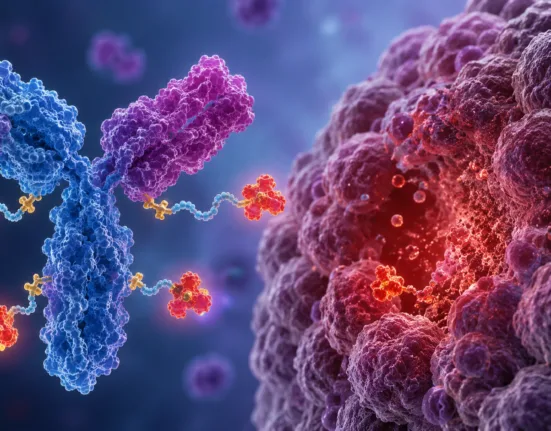
ImmunityBio Inc. has reported updated Phase 2 results from its QUILT-3.078 trial evaluating ANKTIVA (nogapendekin alfa inbakicept) combined with CAR-NK therapy in patients with recurrent glioblastoma. The company disclosed that median overall survival has not yet been reached, with 19 of 23 patients alive as of January 22, 2026, and early signs of immune restoration observed through reversal of lymphopenia.
Why the survival trend, not the median, may signal a biologically relevant shift
The most notable feature of this update is not the median survival metric, which remains unreached, but the shape of the survival curve itself. In a disease where six- to nine-month survival post-recurrence is the statistical norm, the prolonged survival of 19 out of 23 patients—and particularly the 12-month survival of some individuals from time of progression—merits close scrutiny. This pattern is emerging in a population marked by baseline immune suppression and post-chemoradiation lymphopenia, making the apparent reversal of this state an unusually significant finding.
Clinicians tracking glioblastoma treatment paradigms note that historical attempts to improve post-progression survival have often failed due to both tumor resistance and a collapsed immune environment following standard-of-care regimens. In this context, the ability of ANKTIVA plus CAR-NK to not only avoid exacerbating lymphopenia but to restore lymphocyte counts within a single cycle suggests an immune reconstitution dynamic that could extend beyond cytostatic control and hint at immune-mediated containment.
What the reversal of lymphopenia reveals about therapeutic strategy in recurrent GBM
The restoration of absolute lymphocyte count (ALC) from a mean of 0.9 x 10³/μL at baseline to over 1.4 x 10³/μL within a single treatment cycle, with statistically significant persistence through 20 weeks, underscores a fundamental strategic departure from cytotoxic approaches. In glioblastoma, where lymphodepletion from alkylating agents like temozolomide and brain-directed radiotherapy is often irreversible, this immune recovery has been difficult to achieve in clinical practice.
Industry observers suggest that the restoration of ALC—often overlooked as a surrogate for immune competence—could be essential in reframing glioblastoma not just as a proliferative CNS disease but as a malignancy occurring in a systemically immunocompromised host. The data from ImmunityBio align with earlier observational studies showing that persistent post-treatment lymphopenia independently correlates with poorer survival, even when controlling for tumor burden and extent of surgical resection.
How the combination regimen balances immunogenicity with safety in a fragile population
With 219 total doses administered and only three serious treatment-related adverse events reported across the Phase 2 and single-patient IND populations, the combination of ANKTIVA and CAR-NK has so far demonstrated a tolerable safety profile. Importantly, no cytokine release syndrome (CRS) or immune effector cell-associated neurotoxicity syndrome (ICANS) has been observed, which is notable given the inclusion of CAR-engineered NK cells.
For clinicians managing recurrent glioblastoma, safety is not just a regulatory checkbox but a prerequisite for eligibility. These patients often have neurologic deficits, steroid dependence, and compromised marrow reserve, making aggressive therapies largely unusable. The absence of chemotherapy in this regimen positions it as a plausible second-line alternative for patients otherwise considered ineligible for further systemic therapy.
Regulatory watchers will likely weigh the safety profile alongside future randomized data in the ongoing Phase 2B cohort, where durability of survival and immune biomarker correlations may offer stronger mechanistic validation.
What the expansion of single-patient INDs suggests about institutional confidence
The parallel pathway of treating 18 patients under single-patient INDs—including seven first-line patients who remain alive—reflects increasing institutional interest in personalized access ahead of regulatory approval. While data from compassionate-use programs are inherently anecdotal and not generalizable, the willingness of major cancer centers to pursue this therapy on an IND basis suggests a level of confidence not commonly seen in glioblastoma development programs.
In particular, the inclusion of newly diagnosed patients under IND may signal future strategic movement into first-line settings, where systemic immune competence has not yet been eroded by radiation and temozolomide. If similar lymphocyte recovery trends are observed in that population, ImmunityBio may eventually position ANKTIVA-based regimens as front-line disease modulators rather than salvage options.
Why immune competence may become the next regulatory inflection point in GBM
Historically, glioblastoma trials have relied on radiographic response, progression-free survival, and overall survival as endpoints. However, as immune therapies gain ground, these metrics are being reassessed in the context of immune system status and recovery. Regulators are increasingly being asked to consider immune biomarkers—such as ALC trajectories—not only as prognostic indicators but potentially as surrogate endpoints for therapeutic durability.
The QUILT-3.078 trial, by embedding lymphocyte restoration into its efficacy narrative, may contribute to a broader reframing of glioblastoma drug development, especially if longer-term survival aligns with sustained immune reconstitution. This could pave the way for future trials to include immune competence markers as primary or co-primary endpoints, especially in chemo-free or cell therapy–based protocols.
Key clinical questions that remain unresolved ahead of randomized data
Despite the promise, significant uncertainties remain. The current survival data come from a single-arm cohort with limited follow-up, and four out of 14 evaluable patients have died, underscoring that the survival benefit is not universal. Additionally, while lymphocyte recovery is suggestive, it remains to be determined whether this translates into durable tumor control or simply represents a marker of reduced toxicity.
Another unresolved question is how ANKTIVA synergizes with the other components of the regimen—namely PD-L1 t-haNK, bevacizumab, and Tumor Treating Fields. Without a factorial trial design, parsing the contribution of each component to the observed outcomes will be challenging. The Phase 2B randomization may offer some clarity, but the limited sample size of 20 patients in the expansion cohort could constrain the robustness of conclusions.
Commercial viability and manufacturing challenges ahead of large-scale adoption
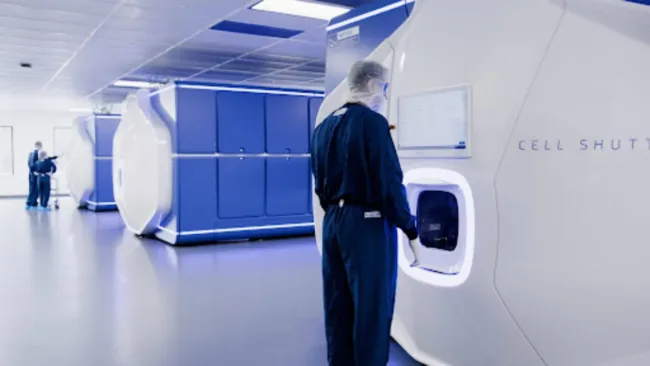
Even if efficacy signals hold, the combination of ANKTIVA, cell therapy, and device-based treatment introduces logistical and manufacturing complexity. CAR-NK cell production, dosing logistics, and the need for Tumor Treating Fields application require integration across multiple modalities. Commercial scale-up would need to address not just regulatory approval but also payer engagement, clinician training, and cross-disciplinary implementation.
For ImmunityBio, these hurdles are not theoretical. The company has already commercialized ANKTIVA for non-muscle invasive bladder cancer and has experience with FDA Breakthrough Therapy designations. However, glioblastoma presents a different challenge entirely—one where commercial success may depend more on practical implementation and care team coordination than on molecular innovation alone.