Precision Biologics Inc. said its chief executive Philip M. Arlen will present research on the discovery and development of monoclonal antibodies targeting tumor-specific neoepitopes at the Festival of Biologics USA in San Diego on March 4–5, 2026. The presentation focuses on the Bethesda-based biotechnology company’s strategy to identify antigens present across multiple solid tumors but largely absent from healthy tissue, a concept aimed at improving the selectivity of antibody-based cancer therapies.
The announcement itself represents a modest conference disclosure, but the scientific theme underlying the presentation touches on one of the central challenges in modern oncology drug development: how to distinguish cancer cells from normal tissue with sufficient precision to enable highly targeted therapies. For decades, monoclonal antibodies have been built around proteins that are overexpressed on tumors but still detectable on normal cells. This biological overlap has limited how aggressive or selective such drugs can be without causing unintended toxicity.
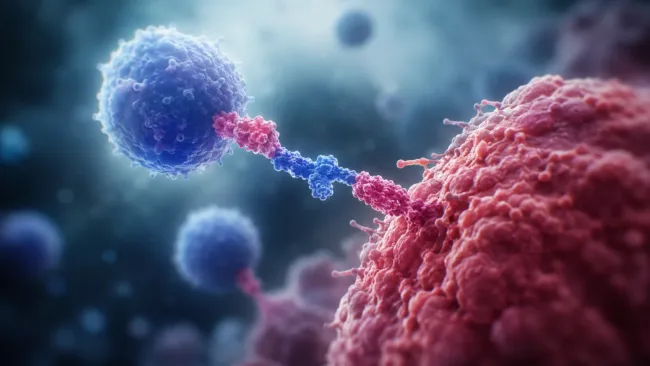
The tumor-specific neoepitope concept attempts to solve that limitation by focusing on targets created directly by cancer-associated molecular changes. Neoepitopes are fragments of mutated or altered proteins that arise from tumor-specific genetic or post-translational events. Because these structures do not typically appear in healthy tissue, they theoretically offer a cleaner therapeutic window for antibody-based drugs.
Why tumor-specific neoepitope targeting could reshape how monoclonal antibodies treat solid tumors
Monoclonal antibodies have become a core modality in oncology, supporting blockbuster drugs such as trastuzumab, rituximab, and pembrolizumab. Yet many antibody therapies still rely on targets that are only relatively tumor-enriched rather than truly tumor-specific. This distinction matters clinically because it often determines how high a dose can be administered and which tissues may experience collateral damage.
Industry observers note that the difference between tumor-associated and tumor-specific targets has long been one of the most difficult problems in antibody drug discovery. Many proteins that appear promising in early tumor profiling studies later prove problematic once their low-level expression in normal organs becomes evident. Even small amounts of target expression in the liver, heart, or lung can trigger toxicity when antibody therapies accumulate in those tissues.
Neoepitope-focused targeting offers a conceptual workaround. If the epitope recognized by an antibody arises only from cancer-specific mutations or tumor-restricted biochemical processes, then the therapeutic index could theoretically widen. Drugs could be designed to attack malignant cells without binding to normal ones, potentially improving both safety and dosing flexibility.
Precision Biologics’ presentation highlights the company’s attempt to identify such tumor-exclusive targets across multiple solid tumor types rather than restricting the approach to a single cancer indication. That broader applicability could be significant if validated, because it suggests the possibility of developing antibody platforms capable of addressing multiple malignancies using the same underlying targeting strategy.
What this research reveals about the persistent specificity problem in antibody oncology
The idea of truly tumor-specific targets has been pursued for decades, but progress has been uneven. Many early antibody therapies relied on proteins such as HER2, EGFR, or CD20, which are highly expressed in certain cancers but not exclusively restricted to them. While these drugs revolutionized treatment for some patient populations, they also demonstrated the limits of partial specificity.
For example, antibodies targeting EGFR can cause dermatologic toxicities because the receptor is expressed in normal skin cells. HER2-directed therapies have historically carried cardiac monitoring requirements due to low-level HER2 signaling in cardiac tissue. These examples illustrate how even highly effective biologics must navigate the biological reality that many tumor targets are shared with normal physiology.
Neoepitope discovery represents a more granular approach. Instead of focusing on the overall presence of a protein, researchers search for molecular signatures unique to malignant transformation. These signatures can include mutated peptide fragments, aberrant glycosylation patterns, or tumor-restricted conformational structures created during oncogenic signaling.
Clinicians tracking the field suggest that identifying stable neoepitopes across many patients remains technically difficult. Tumor mutations are highly heterogeneous, meaning a target present in one patient may not exist in another. Any neoepitope-based therapeutic strategy must therefore balance specificity with prevalence to ensure the target appears frequently enough to support a viable drug program.
What the approach could enable for next-generation antibody drugs and combination therapies
If tumor-specific neoepitopes can be reliably identified and validated, the implications could extend beyond simple antibody therapies. Such targets could also serve as anchor points for antibody-drug conjugates, bispecific antibodies, or targeted immune-engaging molecules.
Antibody-drug conjugates in particular depend heavily on target selectivity. These drugs deliver highly potent cytotoxic payloads directly to tumor cells through antibody binding. If the antibody binds even weakly to normal tissues, the toxicity profile can quickly become unacceptable. Neoepitope-driven targeting could theoretically provide a more precise docking mechanism for such payloads.
Another potential application lies in immune-engaging therapies such as bispecific antibodies that recruit T cells to tumors. The more selective the tumor target, the lower the risk of redirecting immune activity toward healthy tissue. This selectivity could be especially valuable in solid tumors, where immunotherapy approaches have historically faced barriers related to tumor heterogeneity and immune suppression.
Regulatory watchers note that demonstrating tumor exclusivity will be critical if such therapies progress into clinical trials. Drug developers would likely need to present extensive tissue cross-reactivity data to show that candidate antibodies do not bind to normal organs. These studies are typically required before regulators permit first-in-human testing of novel antibody constructs.
Why conference presentations still matter in shaping biotech credibility and partnerships
Although the Precision Biologics announcement centers on a conference presentation rather than clinical trial data, such events often play an important role in biotechnology networking and technology validation. Industry conferences such as the Festival of Biologics USA bring together academic researchers, pharmaceutical companies, and biotechnology startups working on antibody engineering, cell therapy, and advanced biologics.
Presenting early-stage discovery work at these venues can help companies build scientific credibility while attracting potential collaborators or investors. Large pharmaceutical companies frequently monitor such conferences to identify emerging antibody platforms that could complement their oncology pipelines.
For smaller biotechnology firms, the visibility gained from these presentations can influence partnership opportunities. Many antibody programs ultimately progress through licensing agreements or co-development deals with larger pharmaceutical companies that possess the resources to conduct large clinical trials and global commercialization.
The focus on tumor-specific targeting may also resonate with pharmaceutical partners seeking next-generation oncology technologies. As immunotherapy markets mature and antibody pipelines become crowded, companies increasingly look for differentiated targeting strategies capable of overcoming the limitations of existing biologics.
What scientists and regulators will likely watch next as the platform evolves
The scientific community will likely focus on several critical questions as tumor-specific antibody strategies continue to develop. One key issue is whether the identified neoepitopes are truly absent from normal tissue under physiological conditions. Many candidate targets initially appear tumor-specific but later reveal low-level expression in certain organs.
Another question involves the stability of neoepitope expression across tumor evolution. Cancer cells frequently mutate and adapt during disease progression or treatment. If the targeted neoepitope disappears or changes, antibody therapies could lose effectiveness.
Manufacturing feasibility also becomes important once a discovery program moves toward clinical development. Monoclonal antibody production has matured significantly over the past two decades, but complex targeting mechanisms or novel antibody formats can introduce additional manufacturing challenges.
Clinicians observing the field suggest that the ultimate test will come through clinical trials measuring both efficacy and toxicity. Even highly selective targets must translate into meaningful tumor responses in patients while maintaining acceptable safety profiles. Demonstrating that balance is what determines whether a promising antibody concept becomes a viable therapeutic product.
For Precision Biologics, the upcoming presentation represents an early step in communicating its scientific approach to the broader biologics community. The company’s emphasis on tumor-specific neoepitopes reflects a broader industry push to refine the precision of antibody therapies and address longstanding limitations in oncology drug targeting.
Whether this strategy ultimately leads to clinically successful therapies will depend on how well these targets translate from laboratory discovery into reproducible, scalable drug development programs. The biotechnology sector has seen many promising antibody concepts emerge over the years, but only those capable of navigating the scientific, regulatory, and manufacturing hurdles of modern drug development have reached patients.