Insulet Corporation (NASDAQ: PODD) has announced the nationwide United States availability of Omnipod Discover, its proprietary web-based diabetes data management platform designed to help Omnipod 5 users, caregivers and healthcare professionals interpret glucose trends and insulin delivery information. The October 12, 2026 launch follows a limited market release in which more than 15,000 Omnipod 5 users and over 1,800 healthcare professionals adopted the platform, moving the technology from selected clinical settings into broader commercial availability.
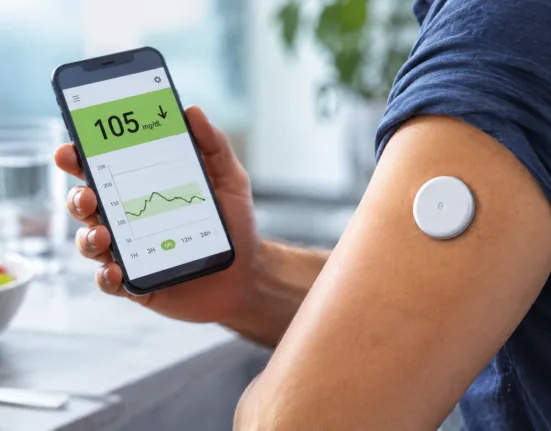
The expansion introduces an additional layer of data interpretation around Insulet’s established automated insulin delivery system. Rather than changing how Omnipod 5 calculates or administers insulin, Omnipod Discover converts previously recorded glucose readings, insulin delivery information and pump settings into personalised reports intended to support diabetes management discussions. Users receive weekly insights on their smartphones, while clinicians can access consolidated information designed to make therapy patterns easier to identify during consultations.
Insulet is also highlighting early real-world evidence suggesting that access to these reports may be associated with improved glucose management. In a retrospective analysis presented at the American Diabetes Association’s 2026 Scientific Sessions, 32% of 245 selected Omnipod Discover users experienced an increase of at least three percentage points in time in range, a widely used measure of glucose control. However, the study was observational and lacked a concurrent control group, meaning it cannot establish that the software itself caused the improvements.
The launch is commercially relevant because diabetes technology manufacturers are increasingly competing on the experience surrounding connected devices, not solely on insulin pump hardware and automated delivery algorithms. Insulet already has an established Omnipod 5 user base, and its new platform creates an opportunity to deepen engagement between patients and clinical teams without requiring a replacement insulin pump. The more consequential test will be whether the additional information produces consistent improvements in diabetes outcomes, clinical efficiency and long-term use of the Omnipod ecosystem.
What does Omnipod Discover actually add to the existing Omnipod 5 insulin delivery system?
Omnipod 5 is an automated insulin delivery system that uses information from a compatible continuous glucose monitor to adjust insulin delivery through a wearable, tubeless pump. In the United States, the system is cleared for people aged two years and older with type 1 diabetes and adults aged 18 years and older with type 2 diabetes. Omnipod Discover adds retrospective data analysis and reporting to this established treatment environment rather than introducing a new insulin delivery algorithm.
The platform brings together glucose measurements, insulin delivery trends, bolus events and relevant pump settings in a format designed for patients and healthcare professionals. Users can examine daily and weekly time-in-range patterns, insulin usage and recurring episodes of elevated or low glucose. According to Insulet, the objective is to make complex device information easier to understand and help users identify topics that may warrant discussion with their diabetes care team.
The distinction between automated insulin delivery and retrospective data interpretation is important. Omnipod 5’s existing system responds to sensor information to regulate insulin delivery, while Omnipod Discover presents historical information that may help users and clinicians understand how treatment has performed. The reporting platform does not independently administer insulin, alter pump settings or replace the primary glucose monitoring interface.
That division of responsibilities places Omnipod Discover within the broader category of diabetes data management software. Its potential value depends on whether clearer presentation improves clinical understanding and supports useful conversations about treatment patterns. The nationwide launch therefore represents an expansion of Insulet’s connected care capabilities rather than a new therapeutic indication or a demonstrated improvement in the insulin delivery algorithm.
What do the 245-user real-world results reveal about glucose time in range after using Omnipod Discover?
The most substantial clinical evidence associated with the announcement comes from a retrospective analysis presented in June 2026 as abstract 2887-LB at the American Diabetes Association Scientific Sessions. The investigation evaluated glucose and insulin delivery data from 245 existing Omnipod 5 users who began using Omnipod Discover. Participants included people aged two years and older with type 1 diabetes and adults with type 2 diabetes, with a median age of 31 years and approximately 34% aged between two and 17.
Patients were required to have at least six months of Omnipod 5 use before and after enrolling in the data platform. The analysis also required sufficient continuous glucose monitoring information during the relevant assessment periods and at least one documented interaction with Omnipod Discover following enrolment. These eligibility requirements created a population with established device experience and usable longitudinal data, rather than a representative sample of every individual beginning automated insulin delivery.
The investigators reported that median time in range, defined as glucose concentrations between 70 and 180 mg/dL, increased from 68.9% before enrolment to 70.7% afterward. The reported median improvement was 1.8 percentage points, with a 95% confidence interval extending from minus 1.4 to positive 3.5 percentage points. Because that interval includes zero, the reported aggregate estimate should not be described as demonstrating a statistically established improvement without further supporting analysis.
Approximately 32% of participants experienced an increase of at least three percentage points in time in range, which investigators classified as clinically meaningful. Participants with baseline time in range below 60% showed some of the larger reported improvements, with changes ranging from 1.4 to 5.1 percentage points across the relevant groups. Time below 70 mg/dL remained low in the assessed population, although the abstract did not establish that Omnipod Discover independently reduces hypoglycaemic events.
The results provide an encouraging association between use of the platform and subsequent glucose measurements, but the magnitude of improvement varied across users. The 32% figure refers to the proportion achieving a specified response threshold, not an average 32% improvement in glucose control. It also does not establish that the remaining 68% experienced deterioration or no benefit, since the disclosed summary does not provide a complete distribution of individual responses.
Why does the absence of a control group limit claims about improved diabetes outcomes?
The retrospective study design creates several challenges for determining whether Omnipod Discover caused the observed changes in time in range. Participants were already using Omnipod 5 before gaining access to the reporting platform, and the analysis did not include a concurrent matched group of users who continued conventional management without Omnipod Discover. Other factors occurring during the follow-up period could therefore have influenced glucose measurements.
Changes in insulin settings, continuous glucose monitor utilisation, clinician advice and individual diabetes management behaviour may contribute to time-in-range improvements. Participants who engage with an optional data platform may also differ from less-engaged users in ways that influence treatment outcomes. The requirement for at least one interaction with Omnipod Discover introduces an additional selection consideration, while excluding patients with insufficient monitoring data may limit how broadly the results apply.
The larger improvements observed among participants with lower baseline time in range are clinically interesting, but they also warrant careful interpretation. People starting from poorer glucose control may have more opportunity to improve through existing treatment optimisation, additional clinical attention or changes in daily routines. Without a controlled comparison, the contribution of the reporting platform cannot be separated reliably from those alternative explanations.
The study was presented as a conference abstract rather than a complete peer-reviewed clinical investigation with detailed methods and outcome distributions. Several authors disclosed employment, consulting or other professional relationships with Insulet and diabetes technology companies, making transparent interpretation of the available evidence particularly important. The findings support further evaluation of the platform, but they do not establish that Omnipod Discover improves HbA1c, reduces severe hypoglycaemia or prevents long-term diabetes complications.
A prospective study comparing otherwise similar Omnipod 5 users with and without access to structured reporting could provide a stronger assessment. Such research would help determine whether the platform produces an additional clinical benefit beyond the established advantages of automated insulin delivery itself. Until then, the published evidence is best understood as an early real-world association.
How could weekly glucose insights and Ambulatory Glucose Profile reports change diabetes consultations?
Omnipod Discover introduces two complementary reporting experiences intended for patients and healthcare professionals. Users receive weekly text notifications directing them to personalised glucose and insulin insights accessible through their smartphones. The reports present time-in-range trends, insulin usage information and patterns associated with elevated or low glucose, allowing users to review historical treatment information between scheduled clinical appointments.
For healthcare professionals, the platform combines an Ambulatory Glucose Profile with adjustable pump settings and bolus events. The Ambulatory Glucose Profile is a standardised format for presenting continuous glucose monitoring information, including patterns across different times of day. Overlaying insulin delivery information may help clinicians examine relationships between glucose patterns and the operation or use of the insulin delivery system.
This combined view could reduce the effort required to reconstruct treatment patterns from separate reports, particularly during appointments where time is limited. Clinicians may be able to identify periods associated with recurrent glucose excursions or examine whether specific patterns coincide with recorded bolus activity. However, faster access to information is not equivalent to demonstrated improvements in decision accuracy or consultation efficiency.
Insulet has not disclosed a controlled workflow study quantifying how much clinician review time Omnipod Discover saves or whether its reports reduce the number of appointments required for treatment optimisation. These would be valuable measures because digital health systems can create additional information-management responsibilities even as they simplify individual tasks. Actual efficiency gains will depend on the quality of the reports, the familiarity of healthcare teams with the platform and how effectively the information fits existing clinical workflows.
Why are real-time monitoring limitations and data-sharing controls important for Omnipod Discover?
Omnipod Discover is explicitly intended for retrospective analysis rather than real-time diabetes monitoring. Its product information states that the platform does not replace the primary display of glucose sensor or insulin delivery information and does not control any functions of the Omnipod system. The software is also not intended for monitoring people with diabetes in acute care settings.
These limitations are clinically important because retrospective patterns cannot necessarily identify a patient’s current glucose status or provide all the information required for immediate treatment decisions. Data synchronisation delays, incomplete sensor information or changes in recent activity can create differences between historical reports and the patient’s present condition. Insulet’s product information states that treatment decisions and adjustments should not be made solely on the basis of Omnipod Discover reports without appropriate healthcare professional guidance.
The broader use of connected data also creates responsibilities around confidentiality and access. Omnipod Discover relies on cloud-based processing to produce reports, while patients can choose whether to share their information with a participating healthcare provider. Insulet’s United States platform allows clinic sharing through an invitation or clinic code, and users can manage that access through their online Omnipod account.
These controls may support patient participation, but secure implementation will still depend on appropriate identity management, reliable data transmission and compliance with applicable privacy requirements. Healthcare organisations will need to consider which staff can access records, how information is integrated into existing clinical documentation and whether patient consent arrangements remain clear. Insulet has not published an independent cybersecurity evaluation specifically alongside the October nationwide launch.
Will Omnipod Discover replace Glooko or create another diabetes data management option?
The launch also has implications for Insulet’s longstanding relationship with Glooko, a company providing diabetes data management software used by patients and healthcare professionals. Omnipod information has been integrated into Glooko reports, allowing clinicians to assess glucose and insulin delivery data within an established diabetes technology environment. The introduction of Omnipod Discover provides Insulet with a proprietary alternative for presenting information generated by its devices.
Importantly, Insulet confirms that Glooko remains available to Omnipod users and healthcare professionals. Enrolling in Omnipod Discover does not automatically eliminate access to existing Glooko reports, and patients may continue sharing their information through that platform. The October announcement therefore does not represent a mandatory transition away from Glooko.
Maintaining access to different reporting environments may be useful for clinics that support patients using multiple insulin delivery systems and continuous glucose monitoring technologies. Such providers may prefer consolidated reporting tools that cover different manufacturers, while Omnipod-specific clinics may benefit from a platform designed around Insulet’s own device settings and treatment information. The relative advantages will depend on interoperability, reporting requirements and clinical workflows.
For Insulet, proprietary data management could strengthen the overall customer experience and provide additional opportunities to engage users between device purchases. However, greater integration within one manufacturer’s ecosystem should not be confused with proof of higher patient retention or improved commercial margins. Those benefits remain potential business implications rather than established outcomes of the new platform.
How significant is the nationwide US rollout after adoption by 15,000 users and 1,800 clinicians?
The United States launch is not the first commercial introduction of Omnipod Discover. Insulet initially introduced the system in five Middle Eastern markets during early 2026, subsequently expanding into Spain and Australia. The platform is now available in Saudi Arabia, Qatar, Kuwait, the United Arab Emirates, Israel, Spain and Australia, alongside its new nationwide United States availability.
The adoption figures reported before the full United States release establish that the company has already accumulated practical experience with the system. More than 15,000 users and over 1,800 healthcare professionals participated during limited market availability, providing an initial operational base for wider deployment. However, the company has not disclosed how frequently those users accessed reports, what proportion remained active over extended periods or how many clinicians incorporated the platform into routine appointments.
Those measurements will become more important as the platform reaches a larger population. Enrolment is an early indicator of interest, but sustained interaction provides a better measure of whether the reports remain useful beyond initial setup. Likewise, the number of healthcare professionals registered with the system does not establish how consistently they review reports or whether those reviews influence treatment management.
United States Omnipod 5 users can enrol through PodderCentral, while healthcare professionals can access onboarding and training through Insulet’s commercial representatives. The web-based approach avoids the need for a separate dedicated reporting device, although reliable data transmission and compatible access remain necessary for using the service. The company’s ability to support onboarding, resolve technical problems and maintain dependable reporting will influence the quality of the broader rollout.
What does Omnipod Discover mean for Insulet’s financial performance and competitive position?
The launch arrives as Insulet continues to expand its automated insulin delivery business across domestic and international markets. During the second quarter of 2026, the company reported revenue of $801.7 million, an increase of 23.5% from the corresponding period in 2025. Total Omnipod revenue reached $795.9 million, including $544.1 million from the United States and $251.8 million from international markets.
The company’s United States Omnipod revenue increased 20.1% year over year, while international Omnipod sales grew 35.5%. Net income reached $95 million, compared with $22.5 million a year earlier, demonstrating an improvement in reported profitability alongside expanding revenue. These figures provide context for the scale of the existing business supporting Omnipod Discover’s introduction.
A proprietary data platform could help Insulet strengthen engagement with existing customers by making device information more accessible and clinically useful. It may also support product differentiation in a market where automated insulin delivery manufacturers increasingly compete through sensor compatibility, control algorithms, software features and the wider treatment experience. However, the company has not disclosed a separate Omnipod Discover revenue forecast or quantified its expected contribution to customer retention, hardware adoption or profitability.
Financial interpretation also requires attention to Insulet’s updated outlook. In August, the company forecast full-year 2026 total Omnipod revenue growth of 21% to 23% in constant currency, while reducing its United States Omnipod growth expectations to 17% to 19%. Management identified operational lessons associated with scaling its type 2 diabetes business, indicating that expansion continues to involve execution challenges despite strong reported revenue growth.
Insulet shares closed at $135.28 on October 9, the final trading session before the nationwide announcement, increasing approximately 0.6% on the day. That price provides a reference point rather than evidence of investor reaction to the October 12 launch. The company is scheduled to report third-quarter financial results on November 4, when investors will have a further opportunity to evaluate Omnipod sales momentum and management’s commercial outlook.
What must Insulet demonstrate before Omnipod Discover can establish measurable clinical value?
The nationwide release provides an opportunity to examine whether the improvements observed in the initial retrospective analysis can be reproduced across a substantially larger and more diverse user population. Future evaluations would benefit from reporting complete distributions of time-in-range changes, baseline glucose control, treatment duration and the frequency of platform engagement. Separating outcomes for type 1 and type 2 diabetes populations could also help clarify whether particular groups derive greater benefit from the reporting system.
Additional clinical outcomes would strengthen the evidence base. Changes in HbA1c, time below range, severe hypoglycaemic events, patient-reported treatment burden and sustained use of automated insulin delivery would provide a broader assessment than time in range alone. Matched comparative cohorts or prospective controlled studies would help distinguish the value of the new data presentation tools from improvements associated with ongoing use of Omnipod 5.
Operational evidence will be equally important for healthcare providers. Insulet could examine whether the reports reduce preparation time for diabetes consultations, improve recognition of clinically relevant patterns or support more efficient communication between appointments. These outcomes would help establish whether Omnipod Discover adds measurable value to routine care rather than simply offering another way to display information already available through existing software.
The technology’s initial appeal rests on a practical proposition: connected diabetes devices generate large amounts of information, but patients and healthcare professionals need that information presented in ways they can understand and use. Omnipod Discover addresses this information-management problem through weekly insights and consolidated clinical reporting, with early observational findings suggesting possible improvements in glucose control among some users.
With nationwide availability now established, Insulet’s next challenge is to demonstrate that the platform produces sustained benefits beyond initial enrolment and engagement. The 15,000-user limited release provides an operational foundation, while the 245-person analysis offers a preliminary clinical signal. Whether Omnipod Discover becomes a meaningful differentiator in connected diabetes care will depend on stronger evidence that clearer information translates into reproducible clinical improvements, efficient workflows and a better long-term experience for Omnipod 5 users.