BioMed Realty has signed a 15-year lease agreement with CordenPharma Colorado for a 64,000-square-foot laboratory facility at Flatiron Park in Boulder, enabling the contract development and manufacturing organization to expand peptide drug substance development capabilities and support growing outsourcing demand for complex peptide therapeutics. The newly completed building at 5505 Central will house process development and analytical services integrated with the company’s existing peptide manufacturing operations.
The expansion represents more than a real estate transaction. It reflects the accelerating strategic importance of peptide therapeutics and the infrastructure required to support their development and manufacturing. Within the broader biopharmaceutical supply chain, peptide APIs occupy a niche that is technically complex, capital intensive, and increasingly outsourced to specialized contract development and manufacturing organizations. CordenPharma Colorado’s decision to expand its laboratory footprint therefore highlights a structural shift in how emerging biologics and precision medicines move from early discovery through commercial production.
Why peptide therapeutics are driving new infrastructure investment across the CDMO landscape
Peptide drugs have moved from niche biologics to one of the fastest-growing therapeutic classes in modern pharmaceutical development. Advances in peptide engineering, solid-phase synthesis technologies, and delivery systems have expanded the range of diseases these molecules can address. Metabolic disorders, oncology, rare diseases, and inflammatory conditions now feature pipelines filled with peptide-based candidates.
Industry observers note that the commercial success of glucagon-like peptide-1 therapies has dramatically elevated interest in the category. Pharmaceutical companies have responded by accelerating peptide programs, which in turn has strained existing manufacturing and development capacity. Unlike conventional small molecules, peptide production requires specialized synthesis platforms, purification workflows, and analytical capabilities. These factors make outsourcing particularly attractive to biotechnology companies lacking internal infrastructure.
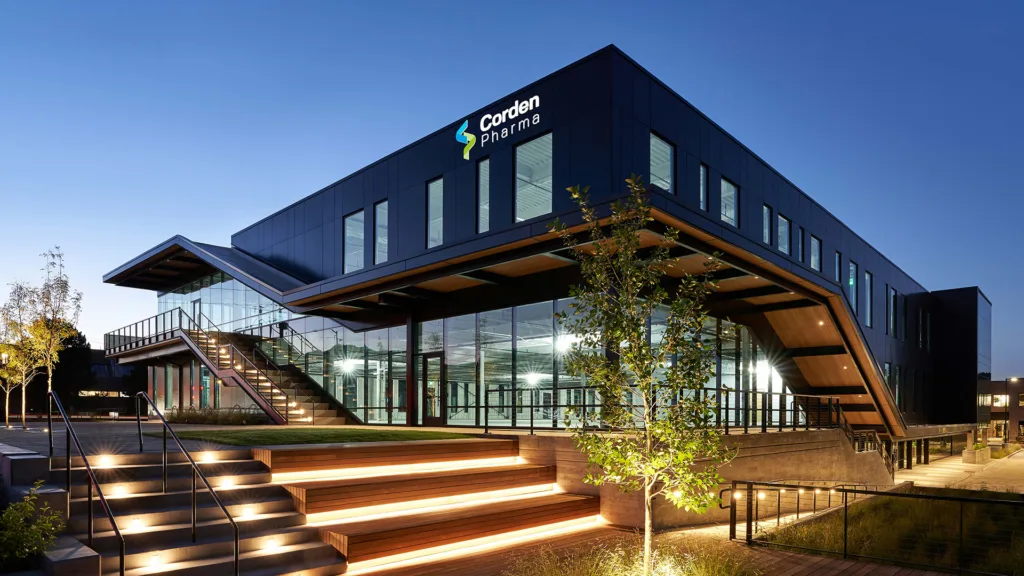
The expansion in Boulder can therefore be interpreted as a response to this demand surge. The new facility will support process development and analytical work that bridges early discovery and large-scale manufacturing. By positioning the laboratory adjacent to existing peptide manufacturing assets, the site aims to create a seamless development-to-commercialization pipeline.
For contract development and manufacturing organizations, this type of vertical integration is becoming a competitive necessity. Sponsors increasingly prefer partners capable of supporting the entire lifecycle of a drug candidate rather than fragmented service providers.
What this development signals about the evolution of peptide API manufacturing models
Peptide active pharmaceutical ingredient manufacturing differs substantially from traditional pharmaceutical production. The synthesis processes often involve multi-step chemistry, highly controlled purification stages, and sensitive analytical characterization. Scaling these processes from laboratory research to commercial manufacturing can be challenging.
As a result, pharmaceutical companies frequently seek development partners that can optimize synthesis routes early in the pipeline. Efficient process development not only reduces production costs but also improves the probability of regulatory approval by establishing consistent product quality.
The Boulder facility’s focus on process development laboratories therefore reflects a key inflection point in the peptide manufacturing workflow. Early-stage development work often determines whether a drug candidate can be manufactured economically at scale. If synthesis yields remain low or purification steps become too complex, even promising therapeutic candidates may struggle to reach commercialization.
Clinicians and regulatory observers note that improving manufacturing efficiency can accelerate patient access to peptide therapies by reducing supply constraints and lowering costs.
How CDMOs are reshaping pharmaceutical innovation ecosystems
The contract development and manufacturing organization sector has become a central pillar of the modern pharmaceutical innovation ecosystem. In previous decades, large pharmaceutical companies performed most development and manufacturing internally. Today, biotechnology startups drive much of the innovation pipeline but rely heavily on outsourcing partners to execute development and manufacturing.
CordenPharma Group operates facilities across Europe and North America, forming part of this global outsourcing network. The organization’s broader capabilities include peptides, oligonucleotides, lipid nanoparticles, sterile injectables, and small molecules.
Industry analysts suggest that CDMOs increasingly function as strategic partners rather than simple service providers. Companies developing advanced therapeutics often collaborate closely with contract manufacturers on process optimization, formulation development, and regulatory strategy.
Expanding development laboratories near manufacturing sites can strengthen these partnerships. Sponsors benefit from integrated development programs, while CDMOs gain deeper visibility into the drug pipeline and long-term commercial production opportunities.
Why Boulder continues to attract biotechnology infrastructure investment
The decision to expand in Boulder also reflects the region’s growing importance as a biotechnology hub. Colorado’s life sciences sector has expanded steadily over the past decade, supported by research universities, venture capital investment, and a skilled scientific workforce.
Flatiron Park has emerged as a focal point within that ecosystem. The campus hosts companies spanning life sciences, quantum technology, and advanced research sectors. By offering purpose-built laboratory infrastructure and high-capacity utilities, the site aims to address a persistent constraint facing many biotechnology clusters: the availability of specialized laboratory space.
Purpose-built laboratory buildings differ from conventional commercial real estate. They require extensive mechanical systems, enhanced power capacity, advanced ventilation infrastructure, and waste management solutions capable of handling scientific operations.
These infrastructure requirements often limit the supply of suitable research facilities, particularly in regions experiencing rapid biotech growth. Developers that specialize in laboratory real estate therefore play a crucial enabling role in the sector.
What clinicians and regulators will watch as peptide development accelerates
Although peptide therapeutics offer considerable clinical promise, they also present regulatory and development challenges. Manufacturing complexity remains one of the most significant barriers. Regulators closely scrutinize peptide synthesis processes to ensure consistency and purity across production batches.
Process development laboratories like those planned in Boulder may help address these challenges by refining manufacturing protocols earlier in the development cycle. Improved process control can reduce variability and strengthen regulatory submissions.
Clinical adoption will depend on additional factors as well. Delivery methods, dosing frequency, and manufacturing scalability all influence whether peptide therapies gain widespread clinical acceptance. Many peptides require injection, although research into oral or long-acting formulations continues.
Regulatory watchers note that as peptide pipelines expand, regulators may need to adapt manufacturing guidelines to reflect evolving synthesis technologies.
What risks and uncertainties remain for peptide outsourcing growth
Despite strong demand trends, the peptide outsourcing sector faces several uncertainties. Rapid growth in glucagon-like peptide-1 therapies has attracted substantial investment in manufacturing capacity. If supply expansion outpaces demand, pricing pressure could eventually emerge within the CDMO market.
Another risk involves technological disruption. Advances in automated peptide synthesis or alternative manufacturing platforms could alter the competitive landscape. Companies that invest heavily in existing technologies may need to adapt quickly as new methods emerge.
Workforce availability also remains a constraint. Peptide manufacturing requires specialized expertise in synthetic chemistry, analytical science, and process engineering. Recruiting and retaining skilled scientists is therefore essential for expanding capacity.
Industry observers suggest that CDMOs capable of combining infrastructure investment with scientific expertise will be best positioned to capture long-term growth in the peptide therapeutics market.
What this expansion ultimately reveals about the future of complex drug manufacturing
The Boulder expansion highlights a broader transformation underway in pharmaceutical manufacturing. As drug modalities become more complex, development infrastructure must evolve accordingly. Peptides, oligonucleotides, lipid nanoparticles, and other advanced therapeutic platforms all require specialized facilities and expertise.
This shift places contract development and manufacturing organizations at the center of pharmaceutical innovation. Companies capable of integrating development laboratories with manufacturing capabilities may play an increasingly influential role in shaping the future drug pipeline.
For the biotechnology sector, the partnership between BioMed Realty and CordenPharma Colorado demonstrates how infrastructure investment, scientific expertise, and regional innovation ecosystems converge to support next-generation therapeutics. The expansion may therefore represent a small but meaningful indicator of where pharmaceutical manufacturing capacity is headed as complex biologics continue to reshape modern medicine.

Boulder’s life sciences cluster grows as CordenPharma Colorado expands peptide R&D footprint added by Pallavi Madhiraju on
View all posts by Pallavi Madhiraju →