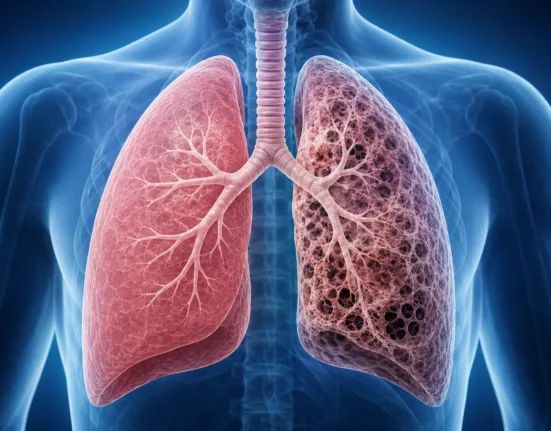
Avalyn Pharma Inc. has dosed the first patient in the AURA Phase 2 clinical trial evaluating AP02, an inhaled formulation of nintedanib delivered through nebulization for idiopathic pulmonary fibrosis. The randomized, placebo controlled study is designed to assess safety and efficacy in untreated patients and follows Phase 1 findings that indicated favorable tolerability and targeted pulmonary drug exposure. The United States based clinical stage respiratory biotechnology company is advancing the program as a potential alternative delivery approach to established oral antifibrotic therapy.
Can inhaled delivery of nintedanib materially improve the risk benefit balance in idiopathic pulmonary fibrosis treatment?
The program represents a strategic attempt to improve how antifibrotic therapy is delivered rather than changing its biological mechanism. Idiopathic pulmonary fibrosis drug development has long focused on slowing lung function decline, which makes long term tolerability central to therapeutic value. Existing oral antifibrotics have demonstrated consistent disease modifying effects, yet systemic adverse events frequently complicate sustained treatment.
Industry observers note that gastrointestinal toxicity associated with oral nintedanib often disrupts adherence in real world settings. Dose reductions and discontinuations are common, limiting cumulative therapeutic exposure in a disease that requires continuous suppression of fibrotic activity. This creates a persistent tradeoff between antifibrotic efficacy and patient tolerance.
Avalyn Pharma Inc. is attempting to recalibrate that balance through localized delivery. Inhaled administration seeks to concentrate drug exposure within fibrotic lung tissue while reducing systemic circulation that drives off target effects. Clinicians tracking pulmonary pipelines suggest this approach is pharmacologically logical because idiopathic pulmonary fibrosis pathology remains largely confined to the lungs.
The strategy represents incremental innovation rather than mechanistic reinvention, yet incremental gains can be meaningful in chronic progressive diseases. If inhaled delivery allows patients to remain on therapy longer, the practical clinical benefit could rival more complex drug development advances.
Will the AURA Phase 2 study design provide efficacy signals strong enough to influence regulatory and clinical decision making?
The AURA study uses conventional trial architecture intended to produce interpretable mid stage data. Randomization and blinding reduce bias, while placebo control provides a clear efficacy comparator. Enrollment of patients not currently receiving antifibrotics limits confounding effects from prior therapies and helps isolate treatment response signals.
The primary endpoint measures change from baseline in forced vital capacity at 12 weeks, a familiar functional marker in idiopathic pulmonary fibrosis research. Pulmonologists generally regard forced vital capacity decline as a reliable indicator of disease progression, and regulators have historically accepted it as a surrogate for clinical benefit.
However, trial specialists caution that a 12 week duration provides only an early efficacy signal in a disease defined by long term progression. While suitable for detecting directional trends, short observation windows may not capture durability of antifibrotic activity. Longer follow up would be needed to confirm persistence of benefit.
Secondary measures including time to progression, quantitative imaging of fibrotic burden, and patient reported outcomes broaden the clinical picture but introduce interpretive variability. Imaging based fibrosis scoring may strengthen evidence of structural effect, yet methodologies differ across studies and carry less consistent regulatory weighting.
Does localized pulmonary deposition offer clear therapeutic advantages over systemic antifibrotic exposure?
A core differentiator of AP02 lies in its delivery platform rather than its pharmacology. The therapy is administered through the PARI Pharma GmbH eFlow nebulizer system, engineered to optimize aerosol particle size and improve deposition in distal lung regions where fibrotic remodeling is most pronounced. Drug delivery specialists note that efficient peripheral deposition is essential for maximizing local therapeutic concentration.
Targeted pulmonary delivery offers theoretical advantages by limiting systemic drug distribution, potentially reducing gastrointestinal and hepatic adverse effects. For a therapy taken chronically, lowering systemic burden could improve tolerability and support sustained dosing.
Yet fibrotic lungs present structural complexities that challenge uniform aerosol deposition. Distorted airways and heterogeneous ventilation patterns may produce uneven drug distribution, introducing variability in localized exposure. Respiratory researchers emphasize that inconsistent deposition could influence patient responses and complicate dose optimization.
Compared with oral administration, inhaled delivery introduces a more complex relationship between device performance, inhalation technique, and therapeutic exposure. This interplay adds variability that must be managed to achieve consistent real world effectiveness.
How will regulators assess safety and performance risks tied to drug device combination reformulations?
Reformulated therapies that combine pharmaceuticals with specialized delivery systems follow distinct regulatory pathways. Although nintedanib has an established systemic safety profile, inhaled administration raises new questions related to airway tolerability and device reliability.
Regulatory authorities typically require detailed assessments of bronchospasm risk, cumulative airway irritation, and long term pulmonary safety. Repeated dosing over extended periods may reveal localized effects not observed with oral therapy. These safety considerations are particularly important in patients with compromised lung function.
Device reliability also becomes central to regulatory evaluation. Performance consistency, dosing precision, and aerosol reproducibility must be demonstrated across varied usage conditions. Variability in delivery efficiency could influence both clinical outcomes and safety assessments.
Can improved tolerability realistically translate into longer treatment persistence in real world clinical settings?
The central clinical question is whether reduced systemic exposure leads to better adherence over time. Pulmonologists frequently report that gastrointestinal side effects prompt patients to reduce doses or discontinue oral antifibrotics despite recognizing their therapeutic benefits.
If inhaled delivery meaningfully reduces such adverse events, patients may be able to maintain therapeutic dosing for longer periods. Sustained treatment could improve cumulative disease control in a condition where uninterrupted antifibrotic activity is critical.
However, adherence depends on more than safety alone. Nebulized therapies often require longer administration sessions and regular device maintenance, creating practical burdens that may discourage consistent use. Elderly patients may face additional challenges managing complex inhalation routines. Respiratory care specialists note that convenience and usability often shape real world adherence as strongly as tolerability improvements.
Will reimbursement and manufacturing realities influence the commercial viability of inhaled antifibrotics?
Payers increasingly evaluate new therapies through comparative effectiveness frameworks that emphasize measurable outcome improvements. Reformulated drugs must demonstrate clinical advantages that justify potential pricing premiums over established standards of care.
Health economists suggest that improved quality of life, reduced hospitalization rates, or demonstrably longer treatment persistence may be necessary to support favorable reimbursement decisions. Without clear evidence of superior outcomes, coverage may be limited.
Manufacturing considerations introduce additional complexity. Nebulized formulations require sterile production environments and specialized packaging to maintain aerosol integrity, elevating operational costs relative to oral therapies.
Scaling production while preserving device compatibility and aerosol consistency may also present logistical challenges. Ensuring batch uniformity in inhaled therapies often demands tighter quality controls than conventional drug manufacturing.
Despite these constraints, broader pharmaceutical trends support precision delivery approaches designed to maximize local therapeutic impact. Respiratory medicine has long benefited from inhaled treatments in obstructive lung diseases, providing precedent for device enabled drug administration.
Avalyn Pharma Inc. is advancing AP02 as part of a pragmatic strategy focused on optimizing established pharmacology rather than pursuing new molecular pathways. In a therapeutic area where incremental improvements remain meaningful, refining delivery may offer a viable route to improved patient outcomes.
The AURA trial will serve as a key indicator of whether inhaled reformulations can materially enhance the benefit risk profile of existing antifibrotics. Positive results could encourage wider investment in pulmonary targeted delivery platforms, while inconclusive findings would underscore the difficulty of translating pharmacokinetic advantages into consistent clinical benefit.