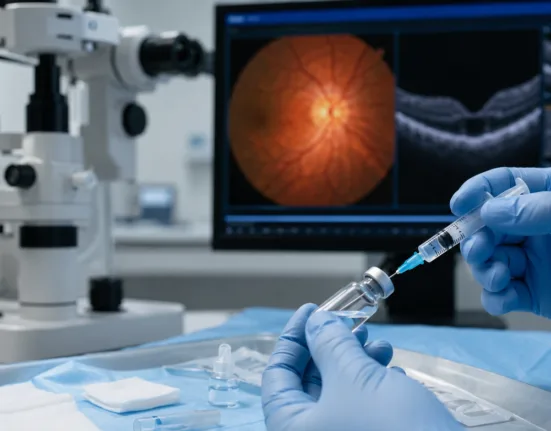
Novaliq GmbH, a biopharmaceutical company developing water-free ocular therapeutics, has received clearance from the U.S. Food and Drug Administration for its Investigational New Drug (IND) application to begin a Phase 2 trial of NOV05 in non-infectious anterior uveitis (NIAU). The tacrolimus-based topical ophthalmic solution, delivered via the company’s EyeSol® platform, represents a potential first-in-class, steroid-free treatment for intraocular inflammation—an area dominated by corticosteroids and immunosuppressants with systemic or ocular safety risks.
The clearance enables the launch of the EYETAC Phase 2 study in the first quarter of 2026, advancing Novaliq’s ambitions beyond dry eye disease into retina and inner-eye indications. If successful, NOV05 could signal a broader shift in ocular drug delivery models, challenging conventional assumptions about the limits of topical penetration in uveitic conditions.
Why a steroid-free option in anterior uveitis could reshape intraocular inflammation management
Non-infectious anterior uveitis accounts for nearly 70%–90% of uveitis cases in the developed world and is typically managed with corticosteroid eye drops, periocular injections, or systemic immunosuppressants. Despite their effectiveness in controlling inflammation, these treatments bring well-documented complications, including increased intraocular pressure, cataract formation, and systemic immunosuppression risks. The lack of innovation in topical alternatives for inner-eye inflammation has remained a critical therapeutic gap.
Oral tacrolimus has shown anti-inflammatory efficacy but suffers from poor ocular bioavailability and systemic toxicity, limiting its utility. The novelty of NOV05 lies not just in its active ingredient, tacrolimus, but in its vehicle: EyeSol®, a proprietary water-free drug delivery system designed to enhance ocular surface retention and deep-tissue drug penetration.
If proven effective, NOV05 could become the first steroid-free topical drug to deliver clinically meaningful results in NIAU, potentially mitigating many safety drawbacks associated with current treatments.
What this signals about EyeSol’s potential to bypass traditional drug delivery barriers
The EYETAC study marks a pivotal moment in validating EyeSol’s delivery capabilities beyond the ocular surface. While the platform has already supported two FDA-approved drugs in dry eye disease (Miebo and Vevye), extending its utility to intraocular indications represents a higher technical bar.
Preclinical pharmacokinetic studies and animal models have indicated that tacrolimus in EyeSol reaches intraocular tissues in concentrations sufficient to exert pharmacological effects. These data provided the rationale for Novaliq’s IND application, positioning the upcoming trial as not just a test of NOV05, but of the entire EyeSol platform’s intraocular delivery claims.
If NOV05 demonstrates safety and efficacy in the EYETAC study, it could create a pathway for a new class of non-invasive treatments for back-of-the-eye diseases—including intermediate and posterior uveitis, diabetic macular edema, and even early-stage retinal degeneration—areas typically dominated by injectables.
Why trial design will matter for credibility and broader adoption
The EYETAC trial is structured as a randomized, double-masked Phase 2 study evaluating two concentrations of NOV05 in patients with active NIAU. The primary endpoints include safety and tolerability, with secondary measures assessing potential dose-dependent clinical anti-inflammatory effects. The study’s ability to show both target-tissue engagement and symptom resolution without steroid-associated side effects will be critical.
Industry observers note that success will depend on clear evidence that the drug reaches the uveal tract in therapeutic concentrations and improves inflammatory markers or visual function. Any uncertainty around endpoint selection, patient population, or dose-response clarity could complicate future regulatory dialogue or delay pivotal trials.
Moreover, questions remain about the durability of response, the number of daily administrations required, and how NOV05 compares head-to-head with standard-of-care corticosteroids in speed and completeness of inflammation control.
What commercial and strategic pathways this could unlock for Novaliq
From a strategic standpoint, NOV05’s progress is more than a single-asset play. It represents a platform validation milestone for Novaliq’s EyeSol franchise, enabling potential therapeutic expansion across ophthalmic indications that have so far required invasive delivery approaches.
If intraocular delivery via topical EyeSol drops is clinically validated, Novaliq could develop follow-on candidates for retinal diseases—an area historically underserved by topical therapies due to the blood-retina barrier and ocular drug clearance mechanisms. This opens a potential high-margin opportunity in a segment with limited competition outside of injectable biologics.
Clinicians tracking the space believe that NOV05 could serve as a beachhead into a broader non-invasive portfolio targeting inflammatory, degenerative, and vascular retinal conditions. It could also attract licensing interest from mid-sized or large ophthalmic players seeking to diversify delivery formats or reduce injection burden in chronic eye diseases.
What regulatory and manufacturing risks could still derail progress
Despite promising preclinical data, NOV05’s success is far from guaranteed. First, the FDA’s clearance of the IND reflects readiness to evaluate—not approval of—its delivery claims. Regulatory watchers suggest that future endpoints, population selection, and trial consistency will be scrutinized to a higher degree given the novel delivery mechanism.
Second, manufacturing EyeSol-based drugs at commercial scale while maintaining consistency, bioavailability, and shelf stability is not trivial. While Novaliq has succeeded with Miebo and Vevye, scaling an anti-inflammatory product targeting intraocular tissues could require additional validation under current Good Manufacturing Practices (cGMP) and aseptic packaging conditions.
Lastly, even if NOV05 proves safe and moderately effective, clinicians may hesitate to shift away from well-understood corticosteroids unless the new therapy shows clearly superior long-term safety, faster symptom control, or improved patient adherence.
How this development might reframe non-infectious anterior uveitis treatment standards
What’s at stake is not just a new product, but potentially a reframing of how uveitis—and possibly other inner-eye diseases—are treated. If the EYETAC trial demonstrates robust delivery and anti-inflammatory effects with a topical, steroid-free agent, it could prompt guideline revisions, payer reassessments, and increased research into water-free delivery platforms.
Payers and clinicians alike are likely to monitor whether such therapies reduce the total cost of care by decreasing complication rates, steroid dependency, and the need for follow-up interventions. However, reimbursement decisions will depend on Phase 3 data comparing NOV05 directly with standard of care on metrics such as time to resolution, relapse rates, and need for adjunct therapies.
The broader question the field will face is whether water-free drug delivery platforms like EyeSol can challenge the long-standing dominance of injectables in intraocular care—and whether patients and providers are ready for that shift.