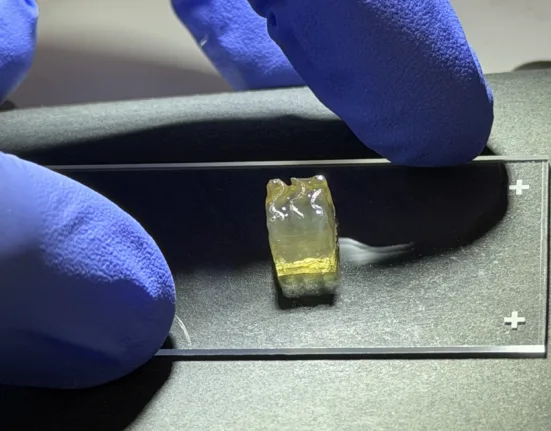
Cincinnati Children’s Hospital Medical Center and Ulm University have published new preclinical findings suggesting that fecal microbiota transfer (FMT) from young donors can restore regenerative activity in the aging gut. The research, released January 22, 2026, in Stem Cell Reports, showed that intestinal stem cells (ISCs) in older mice regained youthful regenerative capacity following transplantation of microbiota from younger mice. By reactivating key signaling pathways, the intervention was found to improve healing from intestinal injury and could lower susceptibility to inflammatory bowel disease and infections in aging organisms.
While this work remains early-stage and confined to mouse models, it introduces a new mechanistic rationale for rejuvenating the gastrointestinal (GI) tract through microbiome manipulation. The study builds upon existing literature around microbiota-host interactions, but it does so with greater granularity into the molecular drivers of age-related ISC decline and regeneration.
What this microbiota–stem cell link reveals about aging and intestinal repair
At the center of the study is the WNT–Ascl2 signaling axis, which is critical for intestinal stem cell renewal. In older mice, the signaling cascade is suppressed due to an altered gut microbial composition, according to the team. This reduced ISC activity slows the turnover and repair of gut lining, contributing to age-related fragility and inflammation. Upon reintroduction of young microbiota via FMT, the researchers observed a reactivation of this pathway, restoring ISC function to a more youthful state.
This result is notable because most prior work on gut microbiota and aging focused on systemic inflammation or metabolic markers. By contrast, the Cincinnati–Ulm study directly ties microbial age to stem cell activity within a specific tissue compartment. This could have implications for a range of age-related GI conditions, from post-operative recovery and mucosal injury to conditions such as ulcerative colitis.
Furthermore, the work suggests a targeted role for microbiome-based interventions in regenerative medicine. While the idea of “young blood” rejuvenation in aging research has gained traction over the past decade, this study adds an organ-specific layer—where stem cell pools might be primed or reset by external microbial cues without the need for systemic factors.
Why this expands the conversation beyond probiotics and consumer microbiome trends
Unlike dietary probiotics or prebiotic formulations commonly sold to consumers, the FMT method used in the study required complex microbial consortia delivered through controlled fecal transplantation protocols. These included bacteria that are not commercially available and require careful sourcing and screening.
This distinction matters. While microbiota-based therapies have become more mainstream—particularly with the U.S. Food and Drug Administration approving FMT products for Clostridioides difficile infections—there is still significant regulatory caution around broader indications like aging or chronic diseases. The Cincinnati–Ulm findings do not signal a ready-to-market solution, but they do provide the mechanistic backbone for future development of defined microbial consortia products, potentially as investigational biologics under strict good manufacturing practices.
Importantly, the authors emphasized that identifying which specific bacterial strains drive the regenerative effect remains an open question. Until then, translation into human applications must be approached cautiously.
What this could change in regenerative medicine and inflammatory bowel disease strategy
Industry observers following the inflammatory bowel disease (IBD), GI surgery, and mucosal healing spaces are likely to view this research as a new conceptual path forward. Most therapies for IBD today—such as monoclonal antibodies and small molecules—focus on dampening inflammation rather than accelerating tissue regeneration. A microbiota-mediated regenerative approach could complement or eventually compete with these existing treatment paradigms.
From a regenerative medicine standpoint, the ability to stimulate local stem cell activity without genetic modification, exogenous growth factors, or scaffold materials is particularly attractive. If the microbial signals responsible for ISC rejuvenation can be mapped and replicated, this could pave the way for safer, non-invasive interventions across a variety of epithelial tissues—not just the GI tract.
The aging population and rising incidence of mucosal complications in cancer therapy, radiotherapy, and chronic GI conditions also create a large potential market. However, for biotech developers and translational researchers, the challenge will be scaling and standardizing microbiota products in a way that satisfies both regulators and clinicians.
What still needs to be proven in humans and where regulatory uncertainty lies
As with most mouse model studies, the gap between preclinical insight and human applicability remains wide. The study stops short of addressing how the microbial transplant approach would perform in aging human intestines, which are more variable and complex in both anatomy and microbiome composition.
Dose response, durability of effect, and safety—all remain undefined in humans. There is also the unresolved question of whether similar effects could be achieved using synthetic microbial communities, which are easier to regulate and manufacture than full fecal transplants.
From a regulatory standpoint, the study reopens the debate about how to classify and approve microbiome-based therapies intended for chronic or preventive use. While FMTs are now FDA-approved for acute infections, their long-term use in asymptomatic aging individuals or elective regenerative protocols would likely require new regulatory frameworks. Experts tracking the microbiome field suggest that future human studies will need clear endpoints, such as epithelial turnover rates or mucosal integrity markers, before therapeutic claims can be substantiated.
Where future industry interest and investment may coalesce
The co-authors’ association with the startup Mogling Bio suggests potential commercialization of this research stream, possibly extending from their earlier hematopoietic stem cell rejuvenation work. If Mogling Bio or others pursue clinical development, they will be entering a space currently populated by companies like Finch Therapeutics, Seres Therapeutics, and Vedanta Biosciences—all of whom have faced scientific and regulatory hurdles.
Nonetheless, the regenerative dimension of this approach may offer a new angle for differentiation. If a therapeutic program can selectively restore stem cell function in the aging gut, it might unlock indications in gastrointestinal frailty, radiation injury recovery, or even surgical recovery optimization—a space of growing relevance as healthcare systems contend with aging populations and post-acute care costs.
Clinicians in the GI and geriatrics communities are likely to track whether future human trials can demonstrate measurable improvements in epithelial healing and reduced inflammation. Whether this translates into meaningful clinical endpoints like hospitalization reduction or quality-of-life improvement will ultimately determine how quickly such therapies advance.