AptarGroup, Inc., a United States based drug delivery technology company, announced that its proprietary intranasal drug delivery system is being used in LTR Pharma Limited’s Phase II clinical study of SPONTAN, an investigational nasal spray being developed as a rapid acting treatment for erectile dysfunction. The clinical trial is evaluating the safety, tolerability, and pharmacokinetic profile of the therapy as LTR Pharma advances the program toward potential regulatory submission.
Beyond the immediate milestone of dosing patients in the Phase II trial, the collaboration illustrates a broader shift taking place in pharmaceutical development. Drug developers are increasingly recognizing that delivery technologies can be as strategically important as the drug molecule itself, particularly in therapeutic areas where speed of onset, ease of administration, and patient adherence are critical factors.
Intranasal delivery systems have gained attention over the past decade because the nasal cavity offers a highly vascularized pathway capable of enabling rapid systemic drug absorption. In contrast to oral medications that must pass through the digestive system and liver metabolism before entering systemic circulation, nasal formulations can deliver compounds directly into the bloodstream. For conditions where timing matters, such as migraine attacks, seizure rescue therapies, or sexual dysfunction treatments, the potential advantage is a significantly faster pharmacological response.
What the SPONTAN phase II study reveals about the clinical potential of rapid onset erectile dysfunction therapies
For LTR Pharma Limited, an Australia based clinical stage biotechnology company, the development of SPONTAN reflects this therapeutic logic. Erectile dysfunction treatments currently dominated by oral phosphodiesterase type 5 inhibitors such as sildenafil and tadalafil are effective for many patients, but they often require planning around dosing windows and may take thirty to sixty minutes to reach peak effect. A nasal spray designed to act more rapidly could theoretically offer a different value proposition in terms of spontaneity and convenience.
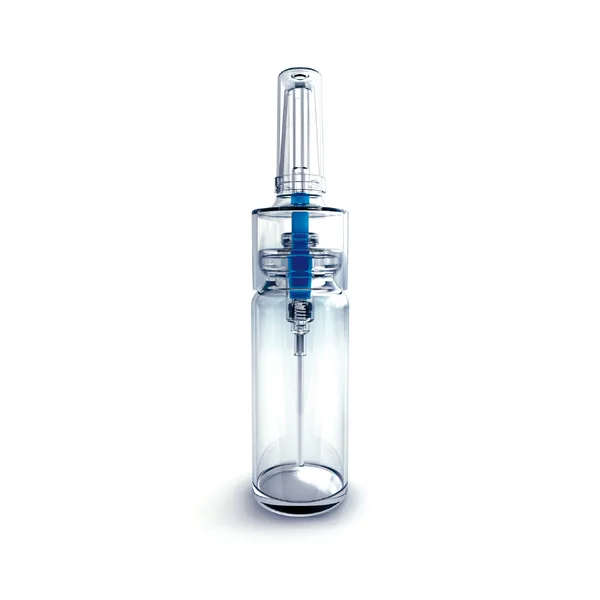
However, the scientific and engineering challenges associated with intranasal drug delivery are substantial. Achieving consistent dosing through the nasal route requires careful design of both the formulation and the delivery device. Variability in nasal physiology, mucosal clearance, and spray distribution patterns can affect how much of a drug is absorbed, making device precision essential during clinical development.
This is where AptarGroup’s role becomes strategically important. The Illinois headquartered drug delivery technology provider has spent decades developing multidose nasal spray systems capable of delivering consistent volumes of medication with each actuation. Such systems are widely used across the pharmaceutical industry in treatments ranging from allergy medications to central nervous system drugs.
Why drug device partnerships are becoming essential for clinical stage biotech companies
Industry observers note that pharmaceutical companies increasingly prefer to partner with specialized device developers rather than build proprietary delivery technologies internally. This approach allows biotechnology firms like LTR Pharma to focus on clinical development while relying on experienced device manufacturers to address engineering and regulatory complexities associated with drug delivery systems.
Aptar Pharma’s involvement in the SPONTAN program extends beyond supplying the nasal spray device. The company’s subsidiaries Nanopharm and Noble are supporting formulation optimization, analytical testing, and human factors validation. These elements are particularly relevant for regulatory pathways because drug device combination products must demonstrate not only pharmacological effectiveness but also usability, stability, and manufacturing consistency.
Regulatory watchers suggest that human factors engineering has become an increasingly important aspect of drug device approvals in recent years. Authorities such as the United States Food and Drug Administration and the European Medicines Agency require developers to demonstrate that patients can correctly use combination products without introducing dosing errors or safety risks.
What regulators and clinicians will scrutinize as the SPONTAN program advances through clinical development
From a clinical perspective, the Phase II study of SPONTAN will primarily focus on pharmacokinetics and safety. While efficacy signals may emerge, the primary objective at this stage is to understand how rapidly the drug enters systemic circulation and whether the intranasal formulation achieves the intended exposure levels.
Clinicians tracking developments in erectile dysfunction treatments believe the therapeutic category is ripe for innovation in delivery mechanisms. While oral medications remain the standard of care, there has been growing interest in alternative approaches that can offer faster onset, fewer systemic side effects, or improved convenience for patients who cannot tolerate traditional therapies.
Yet the pathway from promising pharmacokinetic data to commercial adoption remains uncertain. Even if SPONTAN demonstrates favorable absorption characteristics, developers must still prove that the therapy delivers clinically meaningful improvements compared with established oral medications.
What adoption barriers and commercial risks could shape the future of intranasal erectile dysfunction therapies
Manufacturing scalability is another issue that observers often highlight for nasal spray therapies. Combination products require tight integration between drug formulation and device manufacturing processes. Any changes in device design or formulation characteristics during late stage development can trigger additional regulatory requirements, potentially delaying market entry.
For AptarGroup, the collaboration represents part of a broader strategic push to position its delivery platforms as enabling technologies for complex pharmaceutical programs. Rather than simply supplying packaging components, the company increasingly aims to participate earlier in clinical development, helping drug developers design delivery systems that align with both therapeutic goals and regulatory expectations.
LTR Pharma’s development strategy for SPONTAN illustrates how smaller biotechnology companies can leverage these partnerships to accelerate clinical programs. By integrating a proven nasal spray system and technical support infrastructure, the biotechnology firm may be able to focus its resources on clinical validation rather than device engineering.
At the same time, several uncertainties remain that clinicians and regulators will monitor closely. Nasal delivery can sometimes produce local irritation or variability in absorption depending on patient physiology. Long term safety and tolerability data will therefore be important, particularly if the therapy is intended for repeated use.
If SPONTAN ultimately demonstrates rapid onset with acceptable tolerability, the therapy could contribute to a broader expansion of intranasal therapeutics beyond traditional indications. The nasal route is already being explored for treatments ranging from neurological disorders to hormone therapies, suggesting that delivery technology itself may increasingly determine which experimental drugs reach patients successfully.

What SPONTAN reveals about Aptar’s nasal drug delivery platform and the race for rapid acting erectile dysfunction treatments added by Pallavi Madhiraju on
View all posts by Pallavi Madhiraju →