Sequenex has partnered with MedTech Innovator to support early and growth stage medical technology startups developing connected medical devices, biosensors, continuous glucose monitoring systems and wearable health technologies. The collaboration gives selected startups access to Sequenex’s regulatory ready software development capabilities and its configurable NEX platform at a time when software integration, compliance documentation and device connectivity are becoming central barriers to medtech commercialization.
Why regulatory ready software is becoming a bigger medtech startup challenge than hardware alone
The partnership is not simply another accelerator sponsorship. It reflects a deeper shift in medical technology development, where promising sensor, diagnostic and device concepts can lose momentum if the software layer is not built early enough for clinical use, regulatory submission and commercial scaling. For startups working on connected medical devices, the core product is no longer just the sensor, patch, device, assay or hardware interface. It is increasingly the data pathway that connects the device to patients, clinicians, cloud infrastructure, analytics platforms and regulatory documentation.
That is where Sequenex’s positioning becomes commercially relevant. The software and product development firm focuses on mobile, cloud and device integrated applications for connected medical devices, biosensors and continuous glucose monitoring technologies. Its NEX platform is designed as a reusable and configurable software foundation, allowing startups to avoid building every component from scratch while still customizing applications around their own clinical workflow, device architecture and data model.

For early stage medtech developers, that can be a meaningful advantage. Many startups are founded around clinical insight, engineering novelty or device miniaturization, but they often lack mature software quality systems, documentation discipline and integration capacity. A connected device that works in a lab or pilot setting may still face delays if its software documentation, risk management files, cybersecurity controls, traceability records or validation processes are not ready for regulatory review. The partnership with MedTech Innovator places Sequenex closer to startups at the stage where these design decisions can either reduce future friction or quietly create it.
The risk is that platform based development can only solve part of the problem. Regulatory readiness depends not only on software architecture, but also on the intended use of the product, clinical claims, risk classification, data handling, cybersecurity exposure and human factors evidence. A configurable platform can shorten timelines, but it cannot substitute for clear product definition, strong clinical validation or disciplined regulatory strategy.
What Sequenex gains by moving closer to the MedTech Innovator startup pipeline
For Sequenex, the strategic value lies in proximity. MedTech Innovator’s 2026 program drew a record level of applicant interest, with 65 startups expected to be selected from a large pool of medical device, diagnostic and digital health applicants. That gives Sequenex visibility into a concentrated set of emerging companies working across device categories where software maturity is becoming a make or break issue.
This matters because software development firms in medtech often face a timing problem. If they enter too late, a startup may already have accumulated technical debt, incomplete documentation, fragmented architecture or integration problems with device firmware and cloud systems. If they enter earlier, they can influence design controls, traceability, verification planning and product architecture before regulatory and commercial pressure intensifies. The MedTech Innovator relationship creates an earlier channel into those conversations.
The partnership also gives Sequenex a way to align its NEX platform with real market demand rather than theoretical use cases. Startups working on continuous glucose monitoring, biosensors and wearable medical technologies face varied requirements, from real time data ingestion and patient facing app design to clinician dashboards, alerts, cloud analytics and device agnostic integration. Exposure to a broad accelerator cohort can help Sequenex refine which reusable components are most valuable and where custom development remains unavoidable.
However, this strategy also raises execution questions. Accelerator relationships can generate brand visibility, but conversion into long term commercial work depends on whether startups have the capital, regulatory clarity and strategic need to adopt an external platform. Some early stage ventures may want lean prototypes rather than full regulatory grade systems. Others may already be locked into internal engineering teams or investor backed development partners. Sequenex will need to prove that its approach can reduce cost and delay without limiting product differentiation.
Why connected medical devices are forcing startups to think like software companies earlier
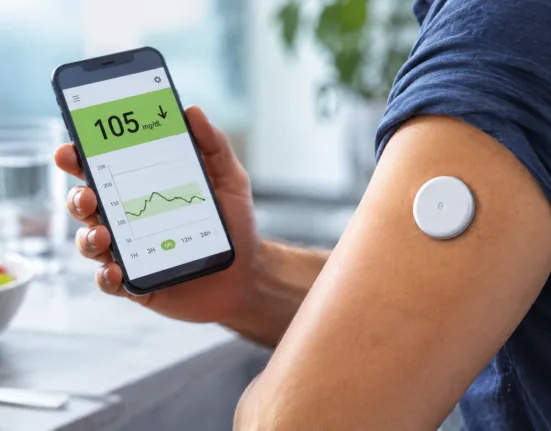
The commercial logic behind the partnership is strongest in connected medical devices, where software has moved from being a companion layer to becoming a regulated product backbone. Continuous glucose monitoring, biosensors, remote patient monitoring tools and wearable health devices generate value through longitudinal data, connectivity, alerts, analytics and clinical usability. That means product performance is judged not only by device accuracy, but also by how reliably data can be captured, transferred, displayed, secured and acted upon.
This changes the startup playbook. A medical device developer can no longer treat software as a late stage interface added after hardware validation. For many device categories, software affects usability, clinical workflow, patient engagement, regulatory documentation and post market surveillance. If the software is unstable, poorly documented or difficult to update under quality controls, the commercial promise of the underlying device can be weakened even if the sensor technology is sound.
Sequenex’s emphasis on ISO 13485 aligned development, IEC 62304 software lifecycle practices and ISO 14971 risk management speaks directly to that pressure. These frameworks matter because they help impose structure on how software requirements are defined, risks are assessed, changes are controlled and verification evidence is assembled. For startups seeking clearance, approval, partnership or acquisition, this discipline can influence investor confidence and strategic buyer diligence.
The unresolved question is how much standardization the connected device market will tolerate. Biosensor and wearable startups often differentiate through user experience, proprietary algorithms, sensor specific data models or disease specific workflows. A prebuilt platform can accelerate delivery, but startups may resist anything that feels too generic. The most successful model is likely to be hybrid, where reusable infrastructure handles common requirements while custom layers preserve clinical and product differentiation.
What MedTech Innovator gains from adding a software infrastructure partner
For MedTech Innovator, the Sequenex partnership adds a practical capability to its accelerator ecosystem. Medical device accelerators are increasingly judged not only by mentorship quality or investor access, but also by whether they help startups cross operational gaps that can derail commercialization. Software development, regulatory documentation and integration are among the most common friction points for digital health and connected device companies.
The timing is important. MedTech Innovator’s Radar Forum and accelerator selection process are designed to filter companies with strong clinical and commercial promise. Yet even high potential startups can struggle between proof of concept and scalable deployment. By adding a partner focused on regulatory ready connected device software, the accelerator strengthens support at a stage where many founders need more than general advice. They need development pathways, documentation structure and technical architecture that can survive clinical, regulatory and commercial scrutiny.
This could also influence how investors and strategic partners evaluate cohort companies. A startup that can demonstrate not only a compelling device concept but also a credible software development pathway may appear less risky than one still relying on loosely assembled prototypes. For acquirers or commercial partners, software traceability, quality controls and maintainability can matter during diligence because integration failures after acquisition can be expensive and slow.
Still, accelerator partnerships are not a guarantee of startup success. Medtech commercialization depends on clinical evidence, reimbursement fit, regulatory classification, manufacturing readiness, physician adoption and capital availability. Software infrastructure can remove one barrier, but it does not eliminate the broader risk profile of early stage medical technology. The value of the Sequenex relationship will become clearer if cohort companies can use the support to move from prototype development into submission ready or partnership ready systems.
Why the NEX platform could matter most for CGM, biosensors and wearable health applications
The most immediate relevance of Sequenex’s NEX platform appears to be in categories where recurring data capture is central to product value. Continuous glucose monitoring, biosensors and wearable medical devices all depend on reliable connectivity between hardware, mobile applications, cloud services and user workflows. These products also tend to evolve through software updates, analytics enhancements and broader integration with clinical or consumer health ecosystems.
For continuous glucose monitoring and biosensor startups, speed is important, but credibility is just as important. The market already includes sophisticated incumbents and a growing field of developers targeting metabolic health, chronic disease monitoring, medication support and remote care. A startup must therefore show that its product can move beyond a promising signal into a dependable software enabled system. Regulatory ready architecture can help, especially when startups need to demonstrate a clear path from prototype to clinical or commercial deployment.
The limitation is that software platforms cannot resolve every scientific or clinical challenge. Biosensor performance still depends on accuracy, durability, calibration strategy, biocompatibility, clinical validation and real world usability. Wearables must also overcome adherence challenges, patient comfort issues and data overload concerns among clinicians. Sequenex can help startups handle the software and compliance layer, but the underlying device must still prove that it improves care, workflow efficiency or patient monitoring in a way that payers, clinicians and regulators can accept.
What industry observers will watch as the partnership moves through 2026
The key test for this partnership will be whether it becomes a practical commercialization tool rather than a symbolic ecosystem tie up. Industry observers will watch whether selected MedTech Innovator startups use Sequenex support to shorten development timelines, improve regulatory readiness, accelerate device integration or strengthen investor confidence. They will also watch whether the partnership produces visible case studies in continuous glucose monitoring, biosensors, connected devices or wearable medical technologies.
For Sequenex, the opportunity is to become part of the infrastructure layer behind emerging medtech innovation. That is a strong position if the connected device market continues to expand and if startups increasingly prefer configurable, compliance oriented software foundations over fully custom builds. It also gives Sequenex a channel to demonstrate that regulatory ready software can be a growth enabler rather than a late stage compliance burden.
The broader takeaway is that medtech innovation is becoming more systems based. Startups are no longer competing only on device design or clinical novelty. They are competing on the ability to integrate hardware, software, data, quality systems and regulatory strategy into a coherent product pathway. The Sequenex and MedTech Innovator partnership is therefore less about one vendor joining one accelerator and more about a market reality that is becoming hard to ignore: in connected medical devices, software readiness is now part of the product, not an accessory to it.