Arrowhead Pharmaceuticals, Inc. (NASDAQ: ARWR) has reported positive topline results from the global Phase 3 SHASTA-3 and SHASTA-4 studies of plozasiran in adults with severe hypertriglyceridemia. The company said both placebo-controlled studies met their primary triglyceride-reduction endpoint and all prespecified secondary endpoints, including a pooled analysis showing a statistically significant reduction in acute pancreatitis events.
The results potentially move plozasiran beyond its existing approval as Redemplo for familial chylomicronemia syndrome, the rarest and most severe form of hypertriglyceridemia, towards a substantially broader population with fasting triglyceride levels of at least 500 mg/dL. Arrowhead Pharmaceuticals plans to submit a supplemental New Drug Application to the United States Food and Drug Administration before the end of 2026.
The readout is commercially important because it arrives after Ionis Pharmaceuticals secured United States approval for Tryngolza, or olezarsen, in severe hypertriglyceridemia on June 24, 2026. Tryngolza is already authorised to reduce triglycerides and the risk of acute pancreatitis in this broader population, meaning Arrowhead Pharmaceuticals would enter an increasingly validated but competitive APOC3-targeted treatment market.
What did SHASTA-3 and SHASTA-4 show beyond large triglyceride reductions?
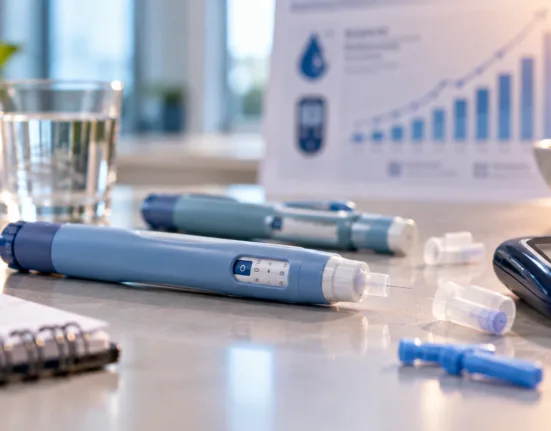
SHASTA-3 and SHASTA-4 were global, randomised, double-blind, placebo-controlled Phase 3 studies evaluating 25 mg of plozasiran administered by subcutaneous injection once every three months. Approximately 750 adults were enrolled across the two studies and received four doses of plozasiran or placebo over a 12-month treatment period.
The primary endpoint measured the percentage change in fasting triglycerides from baseline to month 12. Arrowhead Pharmaceuticals reported median reductions of 79% in SHASTA-3 and 81% in SHASTA-4, compared with a reduction of approximately 27% among placebo recipients.
The scale and consistency of those reductions matter because severe hypertriglyceridemia is generally defined by triglyceride levels of at least 500 mg/dL. The immediate clinical goal is often to move patients below concentrations associated with a sharply elevated risk of acute pancreatitis, rather than merely producing an incremental improvement in a laboratory measurement.
Plozasiran’s quarterly dosing schedule also appeared to deliver sustained activity across the full interval between injections. That durability could become an important differentiator if the full dataset confirms that triglyceride control remained stable without clinically important rebound effects before subsequent doses.
The more consequential finding, however, came from the prespecified pooled analysis of acute pancreatitis events. Arrowhead Pharmaceuticals said treatment produced a statistically significant reduction both in the proportion of patients experiencing at least one event and in the overall incidence rate of events.
Across the broad severe hypertriglyceridemia population, cumulative acute pancreatitis events were reportedly 78% lower with plozasiran than with placebo. Among patients with triglycerides above 880 mg/dL and a previous history of acute pancreatitis, the company reported a 100% reduction in events relative to placebo.

How should the pancreatitis result be interpreted before Arrowhead publishes the full dataset?
Demonstrating fewer acute pancreatitis events is more clinically persuasive than showing triglyceride reduction alone. Triglycerides are an accepted and relevant biomarker in severe hypertriglyceridemia, but acute pancreatitis is the painful, potentially life-threatening complication that patients, clinicians and healthcare systems are ultimately trying to prevent.
The disclosed p-values provide evidence that the pooled differences were unlikely to have occurred through chance under the prespecified analysis. Arrowhead Pharmaceuticals reported a p-value below 0.0221 for patients experiencing at least one event and a p-value below 0.0077 for the total incidence rate.
Topline percentages nevertheless leave important questions unanswered. Arrowhead Pharmaceuticals has not yet disclosed the absolute number of pancreatitis events, the number and characteristics of patients in the highest-risk subgroup, confidence intervals around the estimated reductions, the distribution of recurrent events, or whether a small group of placebo patients accounted for a disproportionate share of episodes.
A 100% relative reduction generally indicates that no events occurred in the treated group while events occurred in the comparator group. Its clinical weight depends heavily on the absolute numbers involved. Zero events among hundreds of high-risk patients would carry a different meaning from zero events in a much smaller subgroup with only a few placebo events.
Detailed results are scheduled for presentation during a Hot Line late-breaking session at the European Society of Cardiology Congress in Munich on August 30, 2026. That presentation should allow clinicians and regulatory observers to examine the event counts, statistical methods, baseline risk, subgroup definitions and consistency of the benefit across the two trials.
What does the reported safety profile reveal and which details remain undisclosed?
Arrowhead Pharmaceuticals said overall treatment-emergent adverse events and treatment-related adverse events were consistent with the established plozasiran safety profile. The company reported no new safety signals, no clinically meaningful differences in routine laboratory measurements and no clinically meaningful adverse changes in liver enzymes.
In a prespecified subgroup assessed using magnetic resonance imaging, there was no statistically significant difference between plozasiran and placebo in mean liver fat content. The company also reported no hypersensitivity cases and no thrombocytopenia signal. These findings are commercially relevant because long-term lipid therapies intended for broad populations must demonstrate that sustained metabolic effects are not accompanied by material hepatic, haematological or immunological liabilities.
The current disclosure does not provide rates of serious adverse events, grade 3 or higher adverse events, treatment discontinuations, injection-site reactions, glucose abnormalities or deaths by treatment group. Those details will be necessary before the safety profile can be compared meaningfully with existing treatment choices.
The United States prescribing evidence supporting the original Redemplo approval in familial chylomicronemia syndrome identified hyperglycaemia, headache, nausea and injection-site reactions among the most common adverse reactions. The Food and Drug Administration also noted that glucose levels, liver enzymes and low-density lipoprotein cholesterol could increase, making the detailed SHASTA laboratory data particularly important for a broader and more metabolically diverse population.
The lack of a newly reported safety signal is reassuring, but it is not equivalent to establishing that clinically relevant risks are absent. The strength of the safety case will depend on exposure-adjusted adverse-event rates, discontinuations, laboratory trajectories and whether outcomes remained consistent across patients with diabetes, obesity, liver disease and other common comorbidities.
Why could quarterly dosing matter after Tryngolza secured the first broad U.S. approval?
Plozasiran and olezarsen both target apolipoprotein C-III, or APOC3, a liver-produced protein that affects the breakdown and clearance of triglyceride-rich lipoproteins. Their technological approaches differ. Plozasiran is a small interfering RNA medicine, while olezarsen is an antisense oligonucleotide.
Tryngolza is administered once monthly. Plozasiran is designed for administration once every three months, creating a potentially meaningful convenience advantage for patients who require long-term treatment.
Four injections a year may reduce administration burden, missed doses and the logistical demands placed on specialty pharmacies and clinical support programmes. Less frequent dosing could also become valuable as treatment expands from patients managed in highly specialised lipid clinics to a larger population identified through cardiology, endocrinology and primary-care pathways.
Convenience will not decide the market by itself. Tryngolza has already secured the first United States label that explicitly includes reduction of acute pancreatitis risk in severe hypertriglyceridemia. Ionis Pharmaceuticals therefore has an early commercial position, an approved clinical-outcome claim and several months to build prescriber familiarity before Arrowhead Pharmaceuticals files its application.
Direct efficacy comparisons would also be inappropriate because the SHASTA and CORE programmes involved separate protocols, patient populations, analytical methods and event distributions. Ionis Pharmaceuticals reported an 85% reduction in acute pancreatitis events in CORE and CORE2, while Arrowhead Pharmaceuticals has reported a 78% reduction across its broad population. Those percentages cannot establish superiority without a head-to-head study.
Commercial competition is more likely to be shaped by the final labels, dosing frequency, absolute pancreatitis-event reductions, safety profiles, pricing, payer access and the ability of each company to identify eligible patients.
How does Redemplo’s existing FCS approval reduce the risk surrounding a broader filing?
The United States Food and Drug Administration approved Redemplo on November 18, 2025, as an adjunct to diet to reduce triglycerides in adults with familial chylomicronemia syndrome. The approved regimen is the same 25 mg subcutaneous injection administered once every three months that was evaluated in SHASTA-3 and SHASTA-4.
That existing approval gives Arrowhead Pharmaceuticals a regulatory and operational foundation that would not be available to an entirely new product. Manufacturing processes, quality controls, the delivery presentation, core clinical pharmacology and a base safety package have already been reviewed for the FCS indication.
Arrowhead Pharmaceuticals has also established commercial infrastructure, patient-support services, specialty-pharmacy relationships and physician education programmes for Redemplo. A successful severe hypertriglyceridemia label expansion would therefore enlarge the addressable population for an existing commercial product rather than require the company to launch an unfamiliar medicine from scratch.
The regulatory hurdle remains meaningful. FCS is an ultra-rare disorder involving extremely elevated triglyceride levels and a distinct risk profile. Severe hypertriglyceridemia is a much larger and more heterogeneous condition involving differences in diabetes control, obesity, alcohol exposure, genetic susceptibility, diet, concomitant medicines and baseline pancreatitis risk.
The Food and Drug Administration will need to determine whether the combined SHASTA evidence supports the proposed population, dosing regimen and any pancreatitis-related wording requested by Arrowhead Pharmaceuticals. The Breakthrough Therapy designation previously granted for severe hypertriglyceridemia may facilitate regulatory interaction, but it does not guarantee approval or a specific label.
Can Arrowhead Pharmaceuticals convert a larger eligible population into commercial adoption?
Arrowhead Pharmaceuticals has begun building commercial experience through the initial Redemplo launch. As of its May 7 fiscal second-quarter update, the company said more than 400 prescriptions had been received or were being processed, approximately 180 patients had received at least one shipment and weekly written prescriptions were averaging around 30.
Management also reported that approximately 85% of prescriptions involved patients who had not previously received an APOC3-targeted therapy. That figure suggested the company was not relying entirely on switching patients from Tryngolza and was helping physicians identify previously untreated FCS cases.
The severe hypertriglyceridemia market will require a different scale of execution. Many eligible patients may be treated outside specialist centres and may not recognise elevated triglycerides as an urgent risk until they experience pancreatitis. Commercial success will depend on identifying high-risk patients, encouraging repeat testing, educating clinicians about treatment thresholds and securing coverage from insurers.
Payers may initially concentrate access on patients with persistently high triglycerides despite diet and conventional lipid-lowering therapies, particularly those with previous pancreatitis. Arrowhead Pharmaceuticals will need to demonstrate why the cost of quarterly RNA interference therapy is justified by reductions in pancreatitis, hospital admissions and other medical utilisation.
The company appears financially positioned to support that expansion. Arrowhead Pharmaceuticals reported total cash resources of approximately $1.78 billion at March 31, 2026, although research, development and commercial investment remained substantial and the company recorded a quarterly net loss attributable to shareholders of about $132.7 million.
Why did Arrowhead Pharmaceuticals stock rise sharply after the SHASTA readout?
Arrowhead Pharmaceuticals shares closed at $88.70 on July 22, up approximately 19% for the session. The stock was also around 24% above its July 15 close, reflecting a rapid reassessment of the probability that plozasiran could compete in the newly established severe hypertriglyceridemia market.
The magnitude of the reaction suggests investors were focused on more than confirmation that plozasiran lowers triglycerides. Earlier studies had already demonstrated considerable pharmacodynamic activity. The more valuation-sensitive development was the statistically significant pancreatitis result, which may support a clinically meaningful label and help Arrowhead Pharmaceuticals compete against a product that is already approved to reduce pancreatitis risk.
The market response represents regulatory and commercial de-risking rather than completion of the investment case. The full SHASTA dataset has not been published, the Food and Drug Administration has not reviewed the expanded indication and Tryngolza has already entered the market.
Arrowhead Pharmaceuticals must also show that Redemplo can gain reimbursement and generate sustained prescription growth. Its fiscal third-quarter results, scheduled for August 4, should provide a more current picture of the FCS launch and the company’s commercial spending requirements.
Which milestones will determine whether plozasiran becomes a major cardiometabolic franchise?
The August 30 European Society of Cardiology presentation is the most immediate clinical milestone. Investors and clinicians will look for absolute pancreatitis-event counts, confidence intervals, subgroup sizes, serious adverse-event rates, treatment discontinuations, changes in liver fat, low-density lipoprotein cholesterol and glucose-related measurements.
Arrowhead Pharmaceuticals then plans to host a conference call on August 31 to discuss the detailed results. The planned supplemental New Drug Application before the end of 2026 will show how quickly the company can assemble the SHASTA-3, SHASTA-4 and supporting MUIR-3 evidence into a regulatory package.
Additional evidence will come from ongoing studies. SHASTA-5 is specifically evaluating plozasiran in severe hypertriglyceridemia patients at heightened risk of acute pancreatitis, while the SHASTA-10 extension is intended to add longer-term safety and efficacy information. These programmes may become important for strengthening clinical confidence after any initial label expansion.
The SHASTA-3 and SHASTA-4 topline results place Arrowhead Pharmaceuticals in a stronger position than a triglyceride-only success would have provided. Deep biomarker reductions, quarterly dosing and a statistically significant pancreatitis analysis create a credible regulatory and competitive package.
The decisive questions now concern the absolute clinical benefit, the detailed safety profile and the breadth of any future label. Plozasiran has cleared an important Phase 3 test, but Arrowhead Pharmaceuticals must still convert that evidence into regulatory approval, payer access and durable adoption in a market where its principal competitor has already started the race.