Can Seaport’s GlyphAgo overcome agomelatine’s liver problem? New Phase 1 data sharpen the test
Seaport's GlyphAgo shows 6.8-fold higher bioavailability as anxiety trials advance, but its potential to reduce liver risks remains unproven.

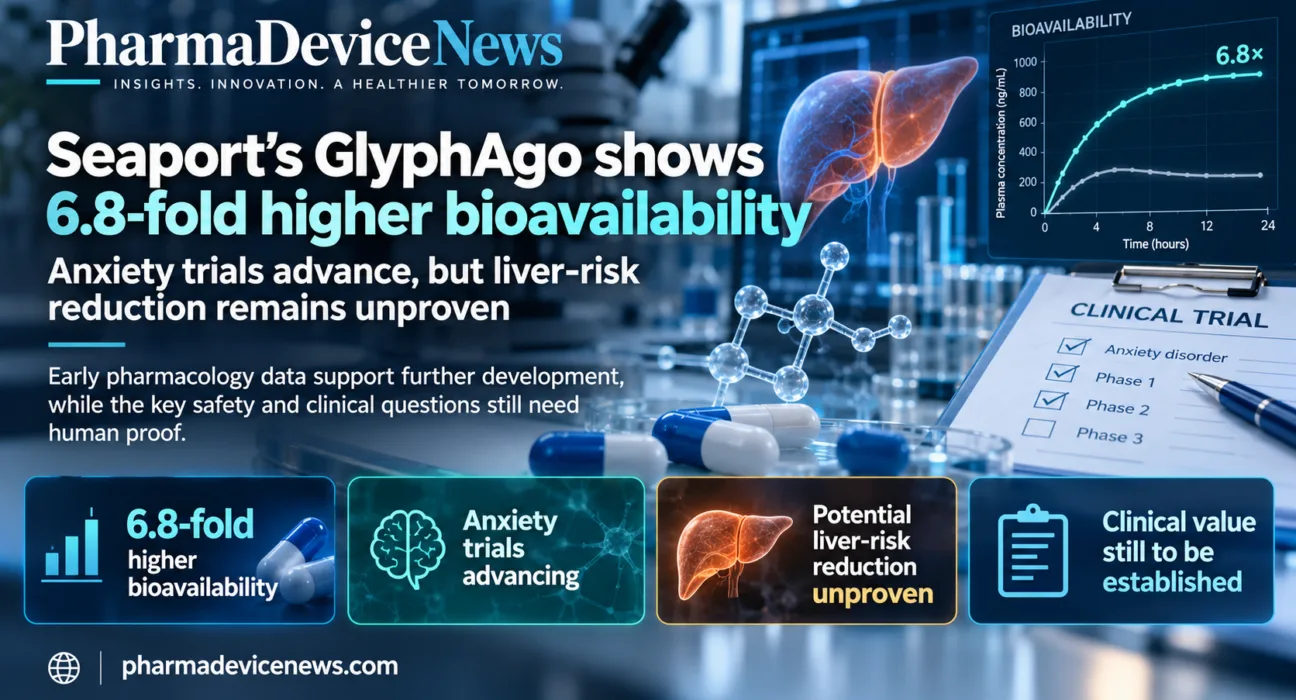
Seaport's GlyphAgo shows 6.8-fold higher bioavailability as anxiety trials advance, but its potential to reduce liver risks remains unproven.
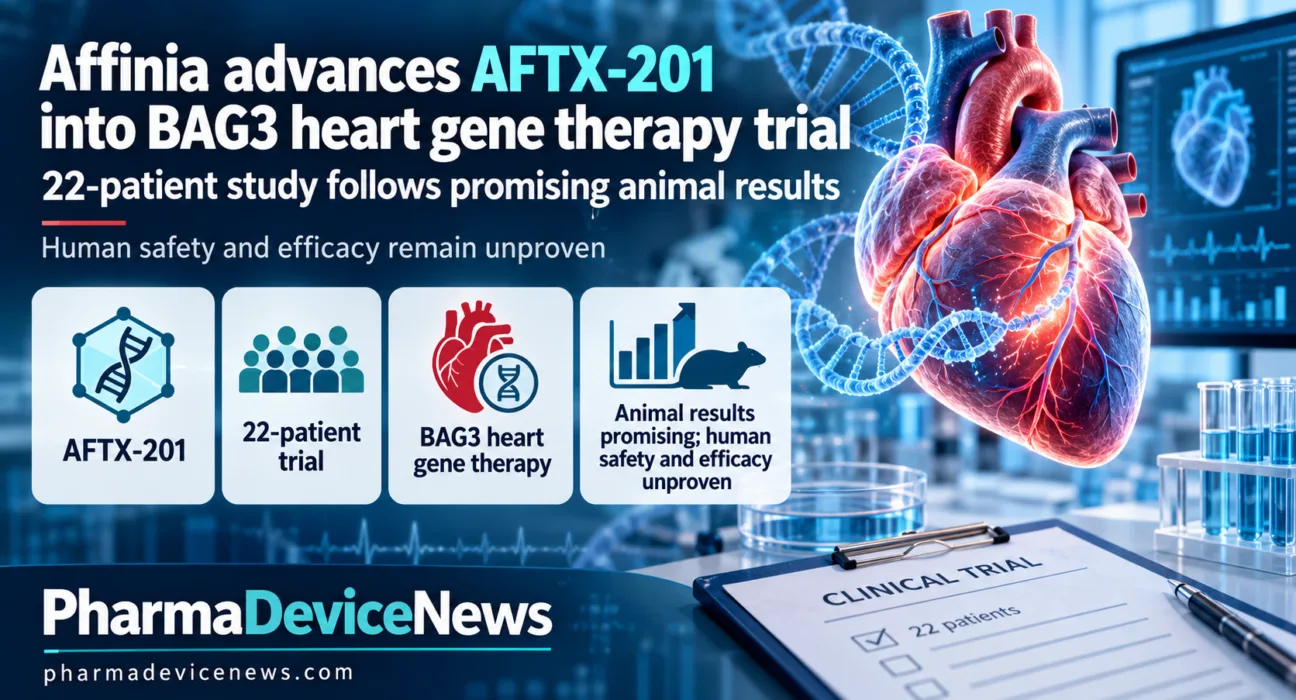
Affinia advances AFTX-201 into a 22-patient BAG3 heart gene therapy trial after promising animal results. Human safety and efficacy remain unproven.
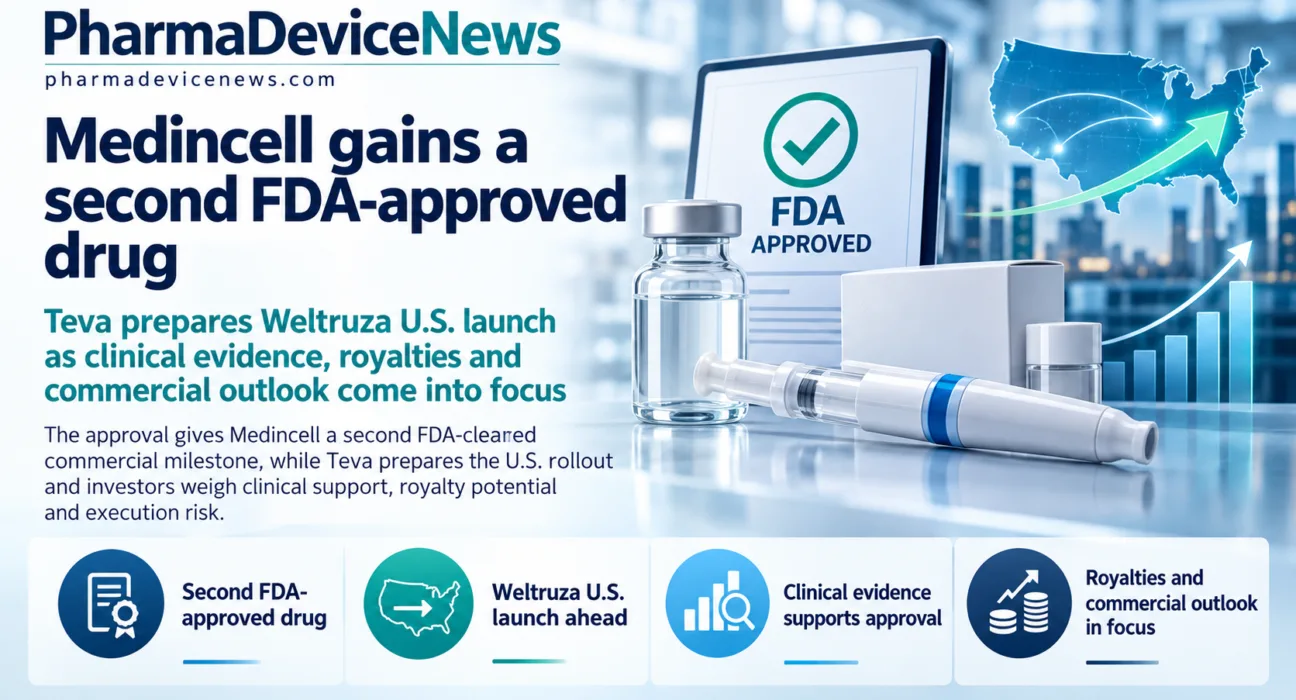
Medincell gains a second FDA-approved drug as Teva prepares Weltruza's U.S. launch. See the clinical evidence, royalties and commercial outlook.
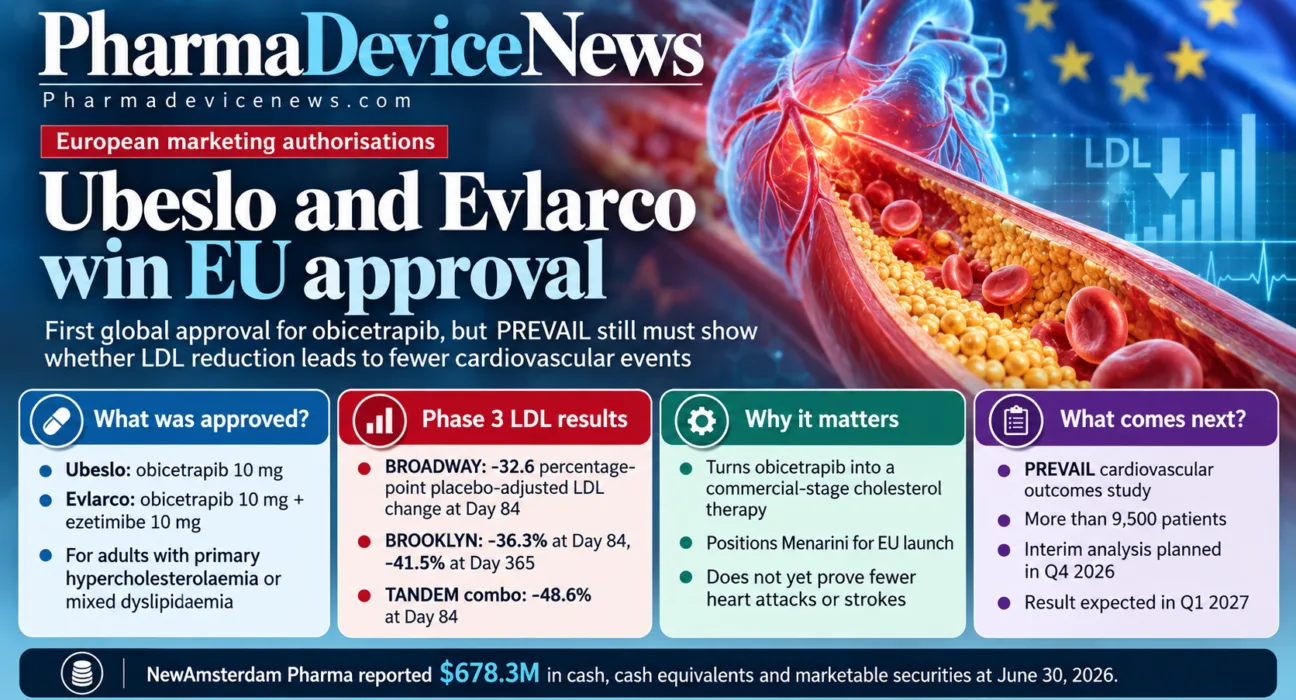
NewAmsterdam Pharma Company N.V. and Menarini Group have secured European marketing authorisations for Ubeslo and Evlarco, turning obicetrapib into a commercial-stage cholesterol therapy while leaving PREVAIL to answer the more consequential question of whether its LDL reductions translate into fewer cardiovascular events.

The European Commission has approved Roche’s Susvimo implant for neovascular age-related macular degeneration, offering continuous ranibizumab delivery with refills every six months and creating a fundamentally different alternative to repeated eye injections.

European regulators have backed Tecvayli monotherapy after only one prior multiple myeloma treatment, potentially transforming Johnson & Johnson’s BCMA bispecific from a late-line therapy into a much larger second-line franchise.

European regulators have backed once-weekly Sogroya for children with idiopathic short stature, potentially giving Novo Nordisk the first EU-approved growth hormone specifically for the condition while expanding a rare-endocrine franchise beyond growth hormone deficiency.

Merck & Co.’s Keytruda plus Padcev has won a positive European regulatory opinion for perioperative treatment of resectable muscle-invasive bladder cancer regardless of cisplatin eligibility, potentially expanding an already important oncology franchise into a broader earlier-stage population.

Roche has secured FDA Priority Review for Enspryng in myelin oligodendrocyte glycoprotein antibody-associated disease after Phase 3 data showed a 68% reduction in relapse risk versus placebo.

CSL Seqirus’ 7,699-person Phase 3 study supports its enhanced flu-vaccine strategy, though one A/H3N2 comparison missed non-inferiority.