Orthogon Therapeutics has closed an additional $11 million follow-on financing to advance its first-in-class oral antiviral program for BK polyomavirus, taking total capital raised to $36 million. The funding comes at a time when BK virus remains a serious transplant complication with no approved antiviral treatment, and when the field is increasingly focused on whether a directly acting small molecule can succeed where immunosuppression reduction and other workaround strategies have offered only partial control.
Why Orthogon Therapeutics’ new financing matters beyond the headline funding number
The real significance of this financing is not its size alone, but what it signals about the maturity of a niche infectious disease program that sits in one of transplantation’s more stubborn gaps. BK polyomavirus has long occupied an uncomfortable place in kidney and broader transplant medicine. It is common, persistent, and clinically dangerous under the same immunosuppressive conditions required to protect the graft. Yet the commercial market has historically looked too specialized to attract the sustained antiviral investment seen in cytomegalovirus, hepatitis, or respiratory virus programs. Orthogon Therapeutics is effectively making the opposite bet. It is arguing that this is not a narrow scientific curiosity, but a solvable transplant infection problem with enough unmet need to justify platform-level drug discovery.
That matters because BK virus management has remained clinically unsatisfying for years. Current practice still revolves largely around reducing immunosuppression once viremia or nephropathy emerges, a strategy that can help viral control but also risks destabilizing the very organ the clinician is trying to preserve. In kidney transplantation especially, the tension is severe. A physician can back off immune suppression to limit viral replication, but doing so can expose the patient to rejection, chronic graft injury, or a different cascade of complications. Supportive and off-label approaches such as cidofovir, leflunomide, intravenous immunoglobulin, or experimental immune-based interventions have been explored, but the evidence base has remained inconsistent and no standard antiviral has emerged. That leaves a clear commercial and medical opening for a true oral antiviral that can be layered into transplant practice without forcing a binary choice between infection control and graft protection.
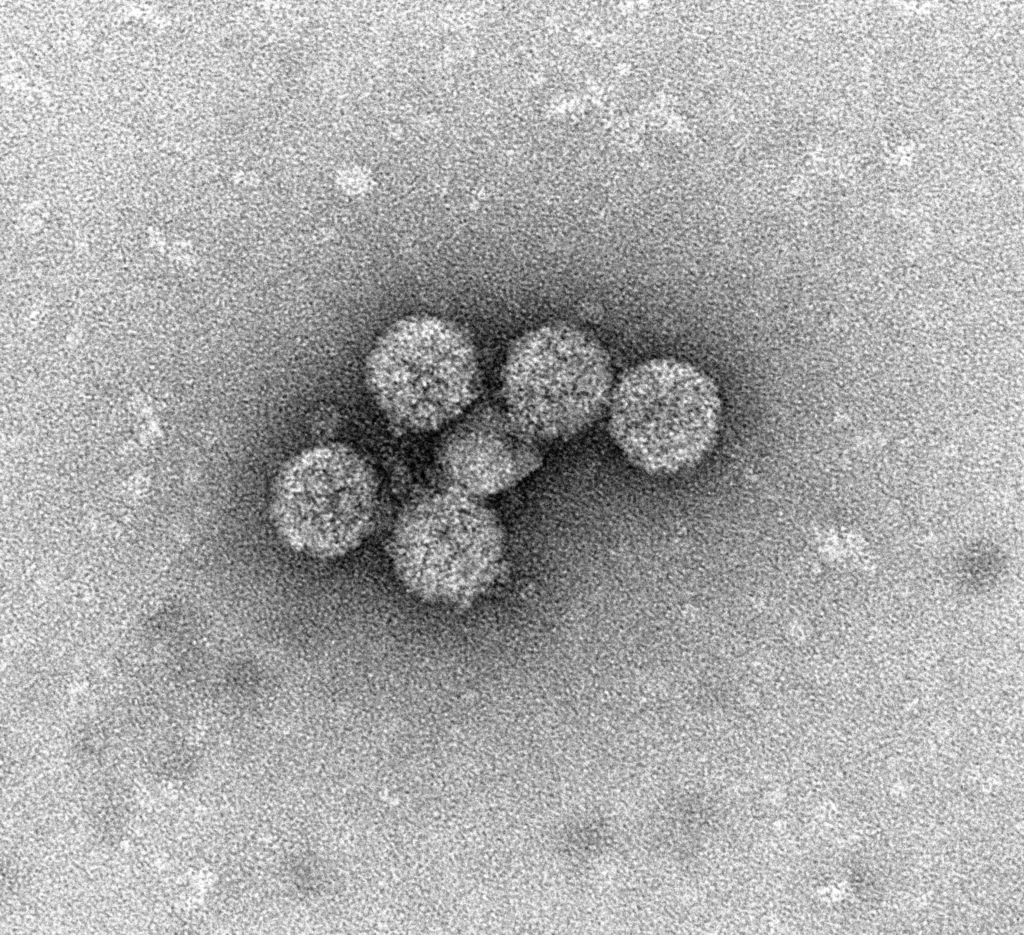
Why BK virus remains one of transplant medicine’s most persistent unmet treatment gaps
BK virus is one of those pathogens that looks deceptively manageable until it shows up in the wrong patient population. In healthy adults, the virus usually remains latent and clinically silent. In transplant recipients, especially those receiving kidney or stem cell transplants, reactivation can become a major source of morbidity. The burden is not simply virologic. It is operational, clinical, and financial. A rising viral load can trigger more monitoring, more biopsy-driven decision making, more immunosuppressive fine-tuning, and more uncertainty around whether graft injury is reversible.
This is exactly why the absence of an approved therapy has become more conspicuous over time. As transplant medicine has improved graft survival and broadened patient eligibility, infection control has become a more central determinant of long-term outcomes. BK virus sits at the intersection of infection, organ preservation, and immune balance. That makes it a frustrating problem for clinicians and an unusually attractive one for any biotech firm that can credibly offer targeted intervention. Still, the opportunity is paired with risk. BK-associated disease does not behave like a mass-market antiviral indication, and trial design in this setting is inherently harder because virologic endpoints, renal outcomes, and immunosuppressive changes all interact.
How Orthogon Therapeutics is trying to solve a virology problem that has resisted standard drug design
What makes Orthogon Therapeutics more than just another early biotech financing story is the company’s chosen target biology. The biotechnology company says its lead asset attacks VP1, the viral capsid protein, and that its broader platform also includes compounds against large T antigen. On paper, that is strategically interesting because BK virus drug development has suffered not only from a lack of commercial focus, but from the difficulty of identifying targets that are both biologically central and realistically druggable. Orthogon Therapeutics is trying to position itself as the company that can finally convert structure-based virology into practical small molecules for polyomaviruses, a space that has long been described as difficult terrain.
The pitch becomes more compelling when seen against the field’s recent disappointments. Orthogon Therapeutics has pointed to findings from patient-derived BK virus sequences suggesting pre-existing diversity at antibody-binding regions and viral replication beyond the reach of circulating antibodies. That framing matters because it shifts the debate away from simply whether BK virus is a worthwhile target and toward which modality has the best chance of controlling it. If antibody access, epitope variability, and intrarenal biology limit neutralizing antibody performance, then an intracellularly active oral antiviral begins to look like a more rational engineering solution rather than just a different therapeutic format.
The challenge, however, is that elegant target selection does not equal clinical success. BK virus is a transplant-setting disease, which means the development bar is more complicated than standard antiviral potency. The eventual candidate must show activity across viral variants, acceptable renal and systemic tolerability, manageable drug-drug interaction risk, and practical use in heavily medicated patients with fluctuating kidney function. It also has to fit into workflows built around viral load monitoring, biopsy decisions, and immunosuppression adjustments. That is where Orthogon Therapeutics’ emphasis on transplant-aware design becomes important. A viable BK antiviral is not merely a molecule that suppresses viral replication in vitro. It has to function inside one of medicine’s most tightly managed therapeutic ecosystems.
Why an oral antiviral could be more disruptive than another workaround in BK virus management
Orthogon Therapeutics is framing its lead asset as an oral therapy capable of addressing the full spectrum of BK infection, from early reactivation through systemic spread and onset of severe disease. If that profile holds up, the commercial relevance could be substantial. Oral administration is not just a convenience feature in transplant care. It can be a defining usability advantage in a patient population already dealing with complex medication schedules, organ function monitoring, and frequent follow-up. A treatment that adds efficacy without adding major procedural complexity could have a meaningful adoption edge over therapies that require infusion infrastructure, hospitalization, or difficult monitoring.
That said, oral delivery alone does not remove the core uncertainties. A drug in this setting must prove that it can produce clinically relevant antiviral suppression without aggravating kidney stress, overlapping toxically with immunosuppressive regimens, or complicating the broader transplant management algorithm. It must also show that antiviral control actually translates into better downstream outcomes, including reduced nephropathy risk, graft preservation, or lower need for immunosuppression changes. The history of transplant infection management is full of interventions that looked rational but struggled to reshape real-world care because the benefit signal was incomplete or operationally awkward.
What the $11 million follow-on round reveals about where the program stands today
The financing size should therefore be read carefully. Eleven million dollars is meaningful for a focused private biotechnology company, but it is not late-stage money. It suggests the program is still in the capital-efficient, proof-building phase rather than approaching expensive pivotal development. For investors and industry watchers, that creates a mixed signal. On one hand, the round indicates continuing backer conviction and enough momentum to move the program forward. On the other, it also underscores how much execution risk remains. There is still a large gap between mechanistic excitement and the kind of human data that can persuade transplant centers, regulators, and eventual commercial partners.
In that sense, this is less a declaration of victory than a vote to keep the thesis alive. Follow-on financings of this type often mean existing or aligned investors still see enough differentiation to fund the next inflection point, but they do not remove the need for hard validation. Orthogon Therapeutics still has to show that its approach can survive the transition from target-based promise to clinically useful antiviral performance. In small, specialized infectious disease markets, the science can look compelling for a long time before the commercial pathway becomes truly visible.
Why the BK virus opportunity could become bigger if the polyomavirus platform holds up
The broader strategic upside is that BK virus may be only the opening act. Orthogon Therapeutics is framing its work as a polyomavirus platform, which brings JC virus into the discussion and potentially widens the long-term value proposition. That platform logic matters because BK virus alone can look commercially narrow to generalist investors, while a multi-indication antiviral franchise against related viruses offers a clearer story around follow-on assets, lifecycle expansion, and partnering value.
Even so, that expansion case should be treated with discipline. BK-associated disease in transplantation is an identifiable and clinically urgent problem. JC virus and other polyomavirus-linked conditions introduce tougher questions around disease heterogeneity, tissue access, study design, safety thresholds, and regulatory feasibility. Platform narratives are attractive because they imply scale, but they can also outrun the most de-risked clinical opportunity. Orthogon Therapeutics will need to prove it can win in BK virus before the market gives full credit for broader polyomavirus ambition.
What clinicians, regulators, and investors will need to see before the BK virus thesis looks real
For transplant medicine, the program’s importance lies in whether it can change the treatment paradigm from reactive compromise to proactive control. Today, BK virus often forces clinicians into a sequence of uneasy trade-offs after reactivation is already underway. A successful antiviral could potentially move intervention earlier, reduce dependence on immunosuppression reduction alone, and preserve graft function more consistently. That is the prize. But the same future raises hard questions regulators and clinicians will watch closely.
One of the biggest issues will be endpoint design. It is not yet obvious what level of virologic improvement would be enough to create broad enthusiasm. Plasma BK viral load decline may be necessary, but clinicians will also want to understand biopsy outcomes, renal function trends, durability of response, and whether the drug reduces the need to alter immunosuppressive regimens. Regulators, meanwhile, will look for a development path that connects viral suppression to clinically meaningful benefit in a credible and reproducible way. The bar is unlikely to be impossibly high, but it will not be trivial either.
There is also an underappreciated competitive question here. The absence of approved BK therapies does not mean the field is empty. It means the field is messy. Clinicians have used off-label antivirals, immune modulation, and experimental immune-based approaches in difficult cases, especially in transplant settings where limited options encourage therapeutic improvisation. Orthogon Therapeutics therefore does not need to displace a gold-standard drug, but it does need to beat a fragmented standard of care that already has clinical habit behind it. That is sometimes harder than it looks. The eventual winner in such settings is often the product that not only works, but simplifies the transplant team’s decision tree.
In that sense, this financing says something larger about infectious disease innovation in 2026. Investors are still willing to support programs aimed at relatively narrow but high-consequence viral settings when the biology is differentiated and the clinical pain point is obvious. Orthogon Therapeutics has not solved BK virus yet. What it has done is secure enough backing to keep pushing a thesis many in transplant medicine would like to see proven: that BK polyomavirus does not have to remain a management problem masquerading as a therapeutic category. If the company can carry its VP1 program from clever virology into reproducible human benefit, it could do more than launch a new drug. It could create a real antiviral market in a space where clinicians have spent years making do with less-than-ideal compromises. In transplant care, that would be more than incremental. It would be one of those rare moments when the field finally gets the tool it actually needed.