Network Bio’s Duke University deal targets a critical gap in medical AI: What happened to patients?
Network Bio partners with Duke University to link biospecimens and clinical outcomes for AI research. See the scientific and commercial implications.


Network Bio partners with Duke University to link biospecimens and clinical outcomes for AI research. See the scientific and commercial implications.

Dyno Therapeutics reports 152-fold higher brain transduction than AAV9 in primates, plus new muscle and antibody-evasive capsid data.

Johnson & Johnson advances Polyphonic surgical AI deployment in Abu Dhabi. Clinical validation, data governance and hospital adoption will shape its impact.

GE HealthCare’s Photonova Spectra has secured CE Mark after earlier U.S. FDA clearance and Japanese approval, accelerating the global expansion of photon-counting CT technology that promises higher-resolution and spectral imaging from individual X-ray photons.

GenBio AI has unveiled a virtual cell world model spanning biological scales. See what it can simulate and what still needs validation.
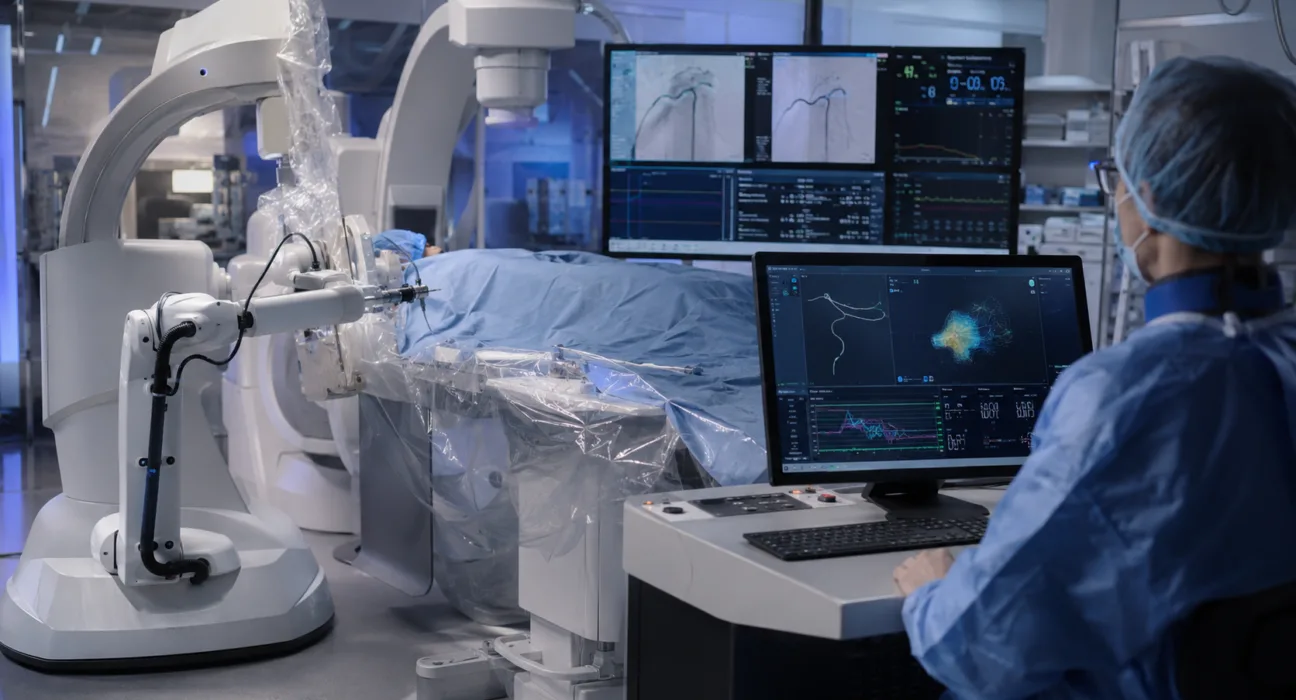
Sentante is using its CE-marked endovascular robot to capture force, motion and imaging data, but its clinical AI value still needs proof.
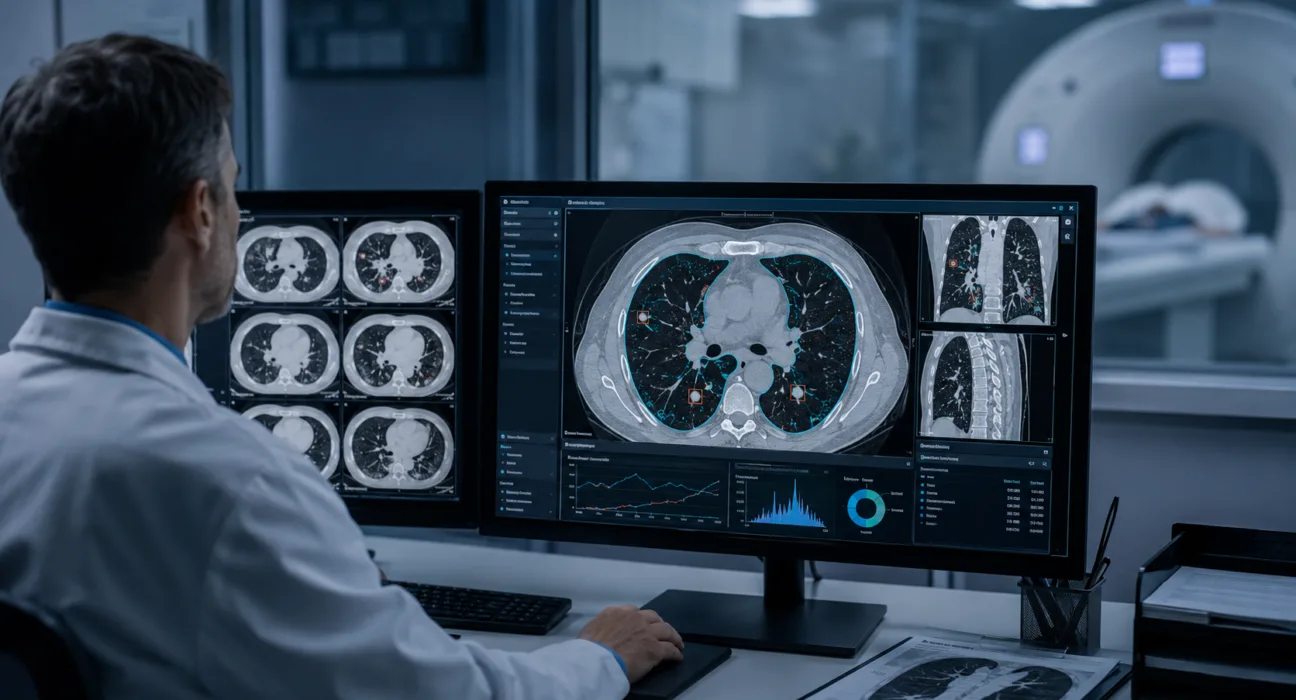
HOPPR adds a chest CT narrative model, widening developer access while leaving validation, regulation and workflow adoption as the key tests.

Eli Lilly and Company and NVIDIA have announced the formation of a co-innovation lab aimed at accelerating drug discovery using AI, robotics, and advanced compute. With a planned $1 billion investment over five years, the lab will leverage NVIDIA’s BioNeMo platform and Vera Rubin architecture alongside Lilly’s drug development expertise. The initiative represents one of