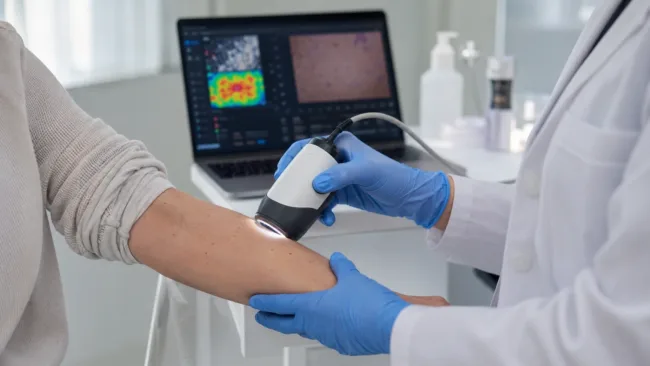
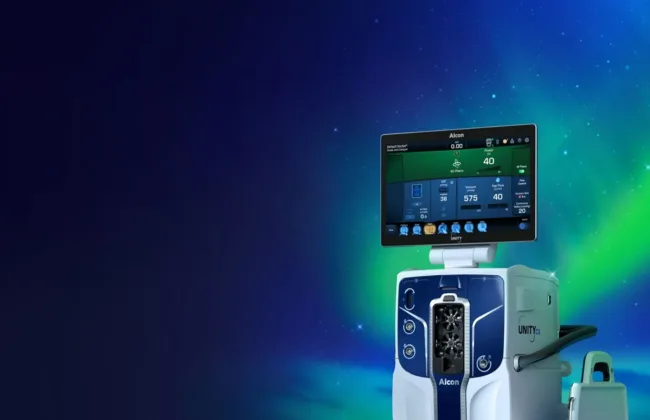
Sensus Healthcare Inc., the medical device manufacturer behind the superficial radiotherapy and image-guided superficial radiotherapy platforms for non-melanoma skin cancer and keloids, has resolved its commercial dispute with SkinCure Oncology. The resolution follows a March 2026 lawsuit in Florida over alleged unpaid amounts for products delivered and deployed in clinical use, allowing Sensus Healthcare to shift attention back to commercialization, reimbursement and physician adoption of its non-invasive skin treatment platform.
Why the Sensus Healthcare and SkinCure resolution matters beyond a single commercial dispute
The immediate importance of the Sensus Healthcare and SkinCure resolution is not simply that a lawsuit has ended. For a small-cap medical device manufacturer trying to expand a capital equipment platform into dermatology and radiation oncology settings, commercial friction with a customer can create a perception problem that is larger than the legal file itself. Device adoption depends not only on clinical utility, but also on trust in contracting, installation, billing support, training and long-term serviceability. When a customer dispute becomes public, investors and clinical partners naturally ask whether the issue is isolated, structural or a sign of pressure in the broader sales model.
That is why the amicable resolution is commercially useful for Sensus Healthcare. It removes a distraction at a time when the U.S.-based medical device manufacturer is trying to position superficial radiotherapy as a more scalable non-surgical option for certain skin cancer and keloid cases. The original dispute, according to the March complaint described in public reports, involved alleged unpaid amounts tied to SRT-100 Vision products already deployed into clinical use. For a company selling equipment into physician practices and clinical networks, that distinction matters because deployed products can sit at the intersection of revenue recognition, financing expectations, patient throughput and customer economics.
The unresolved question is whether the settlement simply closes an isolated receivables issue or whether it prompts Sensus Healthcare to tighten contracting, collections discipline and customer qualification. Commercial resolution does not automatically answer those questions. However, it does reduce uncertainty around one visible relationship and gives management more room to discuss demand, reimbursement and utilization rather than litigation.
How superficial radiotherapy adoption depends on reimbursement clarity and physician confidence
The strategic center of the Sensus Healthcare story remains the adoption of superficial radiotherapy for non-melanoma skin cancer and keloid treatment. Superficial radiotherapy is marketed as a non-surgical treatment alternative for selected patients, particularly where surgery may be less desirable because of age, comorbidities, cosmetic sensitivity or lesion location. Sensus Healthcare’s own positioning highlights SRT as a non-surgical alternative for non-melanoma skin cancer and an option for keloids.
The commercial attraction is clear. Dermatology clinics and oncology-adjacent practices are increasingly interested in technologies that can expand treatment options while creating recurring procedural revenue. A capital device that supports reimbursable treatments can become more than a one-time equipment sale if it increases patient capacity, differentiates the practice and fits within payer-recognized care pathways. In that sense, Sensus Healthcare is not just selling hardware. It is selling a workflow, a reimbursement thesis and a clinical positioning argument.
The risk is that non-invasive does not automatically mean frictionless. Clinicians must be comfortable with patient selection, treatment planning, safety protocols, follow-up expectations and referral dynamics. Payers must recognize the value of the procedure, and clinics must see enough volume to justify equipment acquisition. Even when reimbursement improves, adoption can remain uneven if physicians are not convinced that the treatment pathway fits their patient mix or if administrators worry about equipment utilization. That is the harder test now facing Sensus Healthcare: proving that interest in superficial radiotherapy can convert into repeatable, financially durable deployment across clinical settings.
Why reimbursement momentum could be helpful but not sufficient for Sensus Healthcare’s SRT platform
Sensus Healthcare has framed improved reimbursement dynamics as a key driver for its SRT platform. Recent company communications around first-quarter 2026 results indicated that management viewed dedicated CPT codes for superficial radiotherapy as moving from concept toward commercial reality. That is important because reimbursement clarity often determines whether a medical device platform remains a niche technology or becomes a repeatable practice investment.
Dedicated coding can improve visibility for billing teams, reduce ambiguity in claims handling and give clinical practices a clearer route to assess return on investment. For a device company, that can shorten the commercial conversation. Instead of selling only clinical differentiation, Sensus Healthcare can point to an economic framework that may help clinics model patient flow and reimbursement potential. In medical devices, that shift can be meaningful because physicians may like a technology, but administrators usually need the math to like it too.
Still, coding is not the same as guaranteed adoption. Payer behavior, local coverage interpretation, documentation requirements and practice execution can all affect whether reimbursement translates into predictable revenue. The medical device sector has seen many platforms with credible clinical logic struggle when the reimbursement workflow becomes too complex or when the utilization threshold needed to justify acquisition is too high. Sensus Healthcare’s opportunity is therefore real, but it depends on education, training and evidence-backed commercialization rather than reimbursement headlines alone.
What the SkinCure dispute reveals about capital equipment risk in specialty care markets
The SkinCure dispute is also a reminder that specialty medical device growth often involves more operational risk than investors initially assume. Capital equipment sales in dermatology, oncology and outpatient specialty care can depend on financing terms, device placement agreements, service commitments, training milestones and practice-level economics. If any part of that chain breaks down, a revenue opportunity can become a collections issue or a legal dispute.
For Sensus Healthcare, the case matters because SkinCure Oncology was not an abstract customer in a distant channel. The dispute involved equipment that had reportedly been delivered and placed into clinical use. That creates a more nuanced commercial read-through. On one hand, clinical deployment suggests that the technology had found a customer setting. On the other hand, payment conflict around deployed products raises questions about contract enforceability, customer financial strength and how rapidly the manufacturer should scale with commercial partners.
The resolution reduces near-term legal noise, but it does not eliminate the broader execution challenge. Sensus Healthcare now needs to demonstrate that future deployments can be supported by cleaner contracting, stronger collection discipline and clearer customer economics. For small-cap medtech companies, these operational details can be as important as product features because every disputed transaction consumes management bandwidth and can shape investor confidence.
How investors are likely to read Sensus Healthcare stock after the commercial reset
Sensus Healthcare Inc. remains a small-cap medical device stock, and that status makes investor sentiment particularly sensitive to revenue consistency, reimbursement updates and commercial execution. The latest available market data showed Sensus Healthcare shares at about $3.08, with a market capitalization of roughly $50.3 million and negative earnings metrics. That profile suggests investors are still valuing the company as an execution-dependent medtech name rather than as a fully de-risked growth platform.
The settlement may be viewed positively because it removes a legal overhang, but the stock’s next durable move is more likely to depend on evidence of sustained SRT system demand, recurring utilization and improved financial performance. In small-cap medtech, legal resolution can stop a narrative from worsening, but it rarely creates a growth narrative by itself. Investors will want to see whether the dispute resolution helps stabilize customer relationships, supports revenue visibility and allows management to concentrate on the reimbursement-driven adoption story.
Sentiment is therefore likely to remain cautious but more constructive. The cautious part comes from the familiar small-cap medtech risks: limited scale, concentrated product exposure, customer financing complexity and dependence on clinical practice adoption. The constructive part comes from the fact that Sensus Healthcare is operating in a market where non-invasive skin cancer treatment options may attract more interest as dermatology demand rises and reimbursement clarity improves. Put simply, the legal fire alarm has quieted down. Now investors will want to know whether the commercial engine is actually humming.
Why clinicians and industry observers will focus on evidence, workflow and patient selection next
For clinicians, the key question is not whether superficial radiotherapy can be positioned as non-invasive. The more important question is where it belongs in the treatment pathway and which patients are most likely to benefit. Non-melanoma skin cancer is common, but treatment decisions are highly individualized. Surgery remains deeply embedded in dermatology practice, especially where excision offers clear pathology, established outcomes and familiar workflow. Sensus Healthcare’s SRT platform must therefore compete not only with other technologies, but also with clinical habit.
That makes evidence quality and real-world use increasingly important. Clinicians tracking the field are likely to watch for outcomes data, recurrence patterns, cosmetic results, adverse-event reporting, patient satisfaction and clarity around lesion types and anatomical locations. Medical device adoption becomes easier when the target population is well defined and the care pathway is easy to explain. It becomes harder when the technology is seen as dependent on aggressive marketing, variable protocols or uncertain long-term follow-up.
The industry risk is that commercial enthusiasm could run ahead of clinical standardization. Sensus Healthcare can reduce that risk by supporting training, documentation discipline and transparent communication around appropriate use. For a platform entering broader adoption, clinical credibility is not a soft issue. It is the foundation of payer confidence, physician comfort and defensible long-term growth.
What happens next for Sensus Healthcare as the dispute fades and execution pressure returns
The end of the SkinCure dispute gives Sensus Healthcare a cleaner runway, but it also raises the bar for execution. The medical device manufacturer can no longer point to the dispute as a major distraction if investors question commercial momentum. The market will now focus on system placements, customer quality, reimbursement conversion, utilization patterns and whether SRT demand can expand beyond early adopters.
The next phase will likely be judged on three fronts. First, Sensus Healthcare must show that improved reimbursement dynamics are translating into real clinical and financial adoption. Second, it must demonstrate that customer relationships are commercially disciplined, especially where device placements involve large upfront commitments. Third, it must continue to build confidence that superficial radiotherapy can occupy a credible role in the treatment mix for non-melanoma skin cancer and keloids without drifting into overstatement.
The settlement with SkinCure Oncology is therefore best understood as a commercial reset, not a commercial victory lap. It removes one visible obstacle and allows Sensus Healthcare to return the narrative to patient care, clinical partners and SRT expansion. But in medtech, the real scoreboard is not a resolved dispute. It is repeatable adoption, clean revenue, defensible reimbursement and clinician trust. That is where Sensus Healthcare’s story now moves.