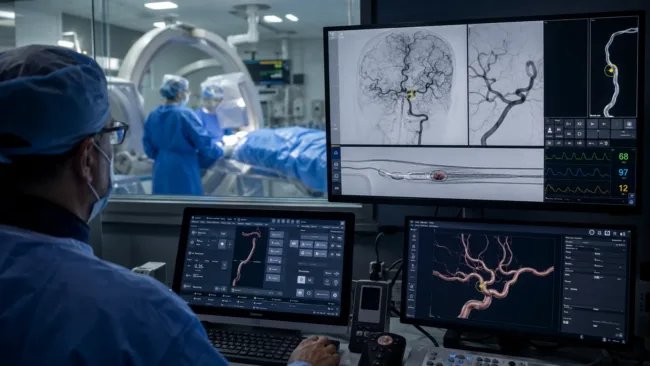
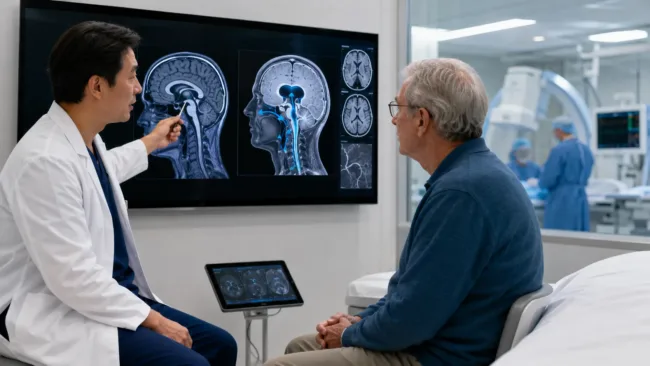
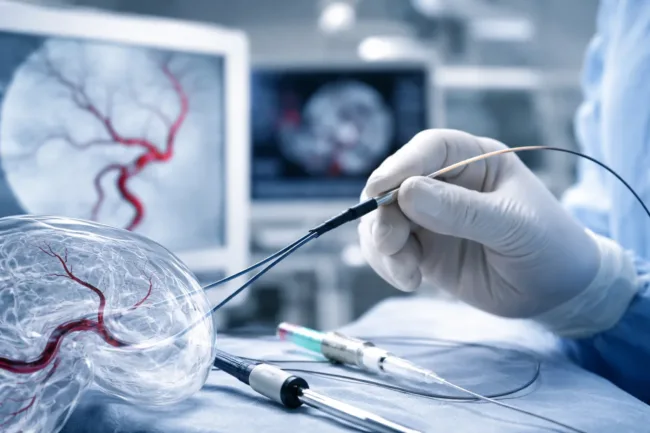
A first-in-human case report describing the use of the eShunt System developed by CereVasc Inc. has shown sustained symptom improvement and device patency in a patient with medically refractory idiopathic intracranial hypertension following three years of follow-up. The case, published in the journal Stroke: Vascular and Interventional Neurology, details a minimally invasive endovascular procedure performed at ENERI Medical Institute in Buenos Aires to relieve elevated intracranial pressure after conventional medical therapy had failed.
While the announcement itself centers on a single compassionate-use patient, the implications extend beyond the immediate clinical outcome. Idiopathic intracranial hypertension remains one of the more frustrating neurological conditions to manage, partly because existing treatments attempt to control symptoms rather than address the underlying dynamics of cerebrospinal fluid circulation. Industry observers tracking neurovascular innovation say the concept behind the CereVasc eShunt System reflects a broader trend toward less invasive neurosurgical solutions designed to replicate physiological pathways rather than bypass them entirely.
Why the cerebrospinal fluid drainage model behind the eShunt system could reshape intracranial pressure management strategies
Idiopathic intracranial hypertension occurs when pressure builds up around the brain without an obvious structural cause. Patients often present with severe headaches, visual disturbances, tinnitus, and papilledema, with the condition carrying a long-term risk of vision loss if pressure remains uncontrolled. The disease disproportionately affects women of reproductive age and individuals with obesity, though it can occur across demographics.
Standard treatment approaches typically begin with medication aimed at reducing cerebrospinal fluid production, most commonly acetazolamide. When medication fails or symptoms progress, physicians may resort to repeated lumbar punctures, venous sinus stenting, or surgical placement of ventriculoperitoneal shunts. Each of these approaches has notable limitations. Lumbar punctures offer temporary relief but require repeated procedures. Venous sinus stenting only benefits patients with specific anatomical features. Traditional shunting procedures, while effective for some patients, require invasive surgery and carry risks including infection, obstruction, and overdrainage.
The design philosophy behind the CereVasc eShunt System attempts to circumvent those limitations by creating a controlled pathway that allows cerebrospinal fluid to drain from the intracranial space into the venous system using an endovascular approach. Instead of open surgery, the device is implanted through the vascular system, using transvenous access to reach the dural venous sinus and create a drainage channel into the internal jugular vein.
Clinicians observing early work in this field note that this approach mirrors the natural physiological process through which cerebrospinal fluid normally circulates and is absorbed into the venous system. By replicating this process rather than diverting fluid to another body cavity, the procedure may theoretically reduce complications associated with traditional shunts.
What the three-year compassionate-use case suggests about durability and safety signals
The patient described in the case report had persistent idiopathic intracranial hypertension symptoms despite treatment with acetazolamide and repeated lumbar punctures. Following regulatory and ethical approval for compassionate use, physicians performed a minimally invasive endovascular implantation of the eShunt System.
According to the reported outcomes, the patient experienced improvement in headaches, diplopia, and overall quality of life within the first month after the procedure. Imaging studies confirmed reduced cerebrospinal fluid pressure and decreased optic nerve sheath distension, both key markers of disease activity. Follow-up imaging using gadolinium-enhanced cisternography demonstrated cerebrospinal fluid flow through the implant into the internal jugular vein, suggesting that the device successfully established the intended drainage pathway.
Five months after implantation, the patient reportedly maintained symptom relief and was able to discontinue acetazolamide and nonsteroidal anti-inflammatory medications. Imaging confirmed continued patency of the device.
Perhaps more significant for industry observers is the reported three-year follow-up period. Long-term imaging indicated that the implant remained patent, with sustained cerebrospinal fluid drainage and ongoing symptom improvement. Importantly, investigators reported no device-related complications such as thrombosis, stroke, occlusion, displacement, or overdrainage during that period.
While a single patient cannot establish clinical safety or efficacy, durable device function over multiple years is a key signal for neurosurgical technologies that depend on long-term patency.
Why the case highlights the growing shift toward endovascular neurosurgery platforms
Over the past decade, neurosurgery has increasingly converged with endovascular techniques traditionally associated with interventional cardiology and neurointerventional radiology. Devices designed to be delivered through vascular access routes have transformed the treatment of conditions such as aneurysms, stroke, and certain vascular malformations.
The CereVasc eShunt System fits squarely within that technological trajectory. By enabling cerebrospinal fluid diversion without craniotomy or implanted abdominal tubing, the technology reflects an effort to minimize surgical trauma while maintaining therapeutic effectiveness.
Industry analysts note that the convergence between vascular access technologies and neurological disease treatment could expand the role of interventional neuroradiologists and neurovascular surgeons in managing conditions historically handled by open neurosurgery.
If future clinical trials confirm the early signal suggested by the compassionate-use case, devices like the eShunt System could create an entirely new category of endovascular cerebrospinal fluid management technologies.
What remains uncertain about regulatory approval and broader clinical adoption
Despite the promising narrative surrounding minimally invasive intracranial pressure management, the eShunt System remains an investigational device. The technology has not yet received approval from the United States Food and Drug Administration or any other regulatory authority for commercial use.
This distinction matters because regulatory agencies require robust clinical data demonstrating safety and efficacy across diverse patient populations before authorizing widespread use. A single compassionate-use case, even with a three-year follow-up period, represents only the earliest stage of evidence generation.
Regulatory watchers suggest that the next critical step will likely involve prospective clinical trials evaluating the device in larger cohorts. Such trials would need to assess endpoints including intracranial pressure reduction, symptom relief, complication rates, and long-term device performance.
Another factor regulators will scrutinize is the potential for complications unique to endovascular cerebrospinal fluid drainage. While no adverse events were reported in the case described, theoretical risks include venous thrombosis, infection, or unpredictable cerebrospinal fluid drainage patterns.
The procedural learning curve may also influence adoption. Endovascular neurosurgical procedures require specialized training and infrastructure, which may initially limit availability to large academic centers.
What clinicians and industry observers will watch next in the development of endovascular shunting technologies
From a broader industry perspective, the case highlights an emerging category of neurovascular devices aimed at treating disorders associated with cerebrospinal fluid imbalance.
Conditions such as communicating hydrocephalus, idiopathic intracranial hypertension, and certain forms of traumatic brain injury all involve disruptions in cerebrospinal fluid dynamics. Technologies capable of regulating cerebrospinal fluid pressure without invasive surgery could therefore address multiple neurological conditions.
The eShunt System originated from work conducted by physicians at Tufts Medical Center who sought to develop a less invasive alternative to traditional shunting systems. That origin underscores a recurring pattern in medical device innovation, where clinician-driven insights lead to new treatment paradigms that eventually attract venture-backed development.
However, adoption will ultimately depend on several factors beyond technical feasibility. Reimbursement pathways, procedural training requirements, and long-term safety data will all shape whether the technology moves from experimental case reports into routine clinical practice.
Clinicians following the field say the next few years will reveal whether endovascular shunting can transition from a promising concept into a viable alternative to conventional neurosurgical shunts.
For now, the compassionate-use case represents an early but intriguing signal. It suggests that minimally invasive cerebrospinal fluid diversion could one day become a realistic option for patients with idiopathic intracranial hypertension who have exhausted existing therapies.