Can Synthekine’s STK-012 overcome immunotherapy resistance in first-line NSCLC patients?
Can STK-012 overcome immunotherapy resistance in lung cancer? Explore AACR 2026 data and what it means for IL-2 precision therapies.


Can STK-012 overcome immunotherapy resistance in lung cancer? Explore AACR 2026 data and what it means for IL-2 precision therapies.

Samsung Bioepis and Sandoz expand their biosimilar partnership to cover vedolizumab SB36 and four early-stage candidates. What this means for the IBD biologics market.
Avacta opens Phase 1 trial of FAP-Exd (AVA6103) in four advanced solid tumors. Analysis of what the sustained-release exatecan conjugate must prove in 2026.
Myriad Genetics secures FDA approval for MyChoice CDx in ovarian cancer. Discover how HRD testing could reshape PARP inhibitor treatment decisions.
Discover how Immunocore’s five-year KIMMTRAK data could reshape survival expectations in metastatic uveal melanoma. Read the full analysis.
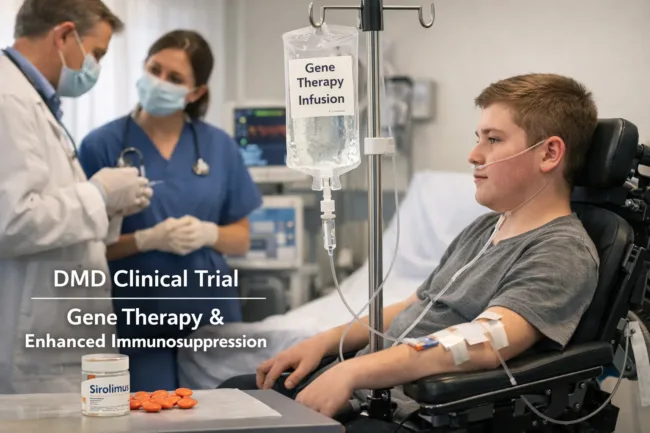
Sarepta's ELEVIDYS Cohort 8 targets non-ambulatory Duchenne patients with a sirolimus regimen. What the trial design reveals about the path to label restoration.
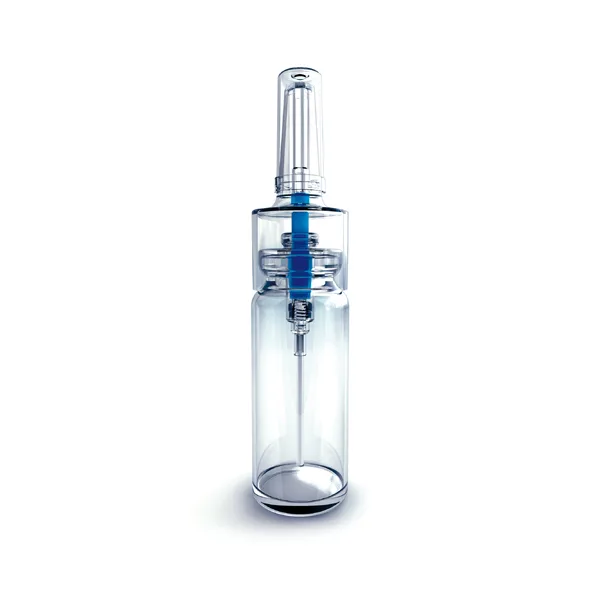
Aptar’s nasal drug delivery system enters Phase II trial for LTR Pharma’s SPONTAN erectile dysfunction therapy. Discover what this means for intranasal medicines.
Argo Biopharmaceutical Co., Ltd. (Argo Biopharma), a Shanghai-based clinical-stage RNA interference therapeutics company, has received Fast Track Designation from the U.S. Food and Drug Administration for BW-20805, its investigational small interfering RNA therapy targeting prekallikrein for the prevention of hereditary angioedema attacks. The designation comes as the company runs a global Phase II open-label study
Alzamend Neuro, the Nasdaq-listed clinical-stage biopharmaceutical company, has initiated a Phase II clinical trial of AL001, its ionic cocrystal lithium formulation, in patients diagnosed with bipolar disorder type 1, conducting the study at Massachusetts General Hospital in collaboration with Harvard Medical School investigators. The trial employs a crossover design in which participants receive both AL001

Sentynl Therapeutics Inc., the United States-based rare disease subsidiary of Zydus Lifesciences Limited, has entered into a licensing agreement with South Korean biotechnology company PRG S&T to develop the investigational molecule Progerinin (SLC-D011) for Hutchinson-Gilford Progeria Syndrome, an ultra-rare genetic disorder that causes accelerated aging in children. The therapy has received orphan drug designation from