How Rhapsido’s symptomatic dermographism approval expands Novartis immunology strategy
Novartis’ Rhapsido won the first FDA label for symptomatic dermographism after a 29.3% complete response in Phase 3 RemIND.

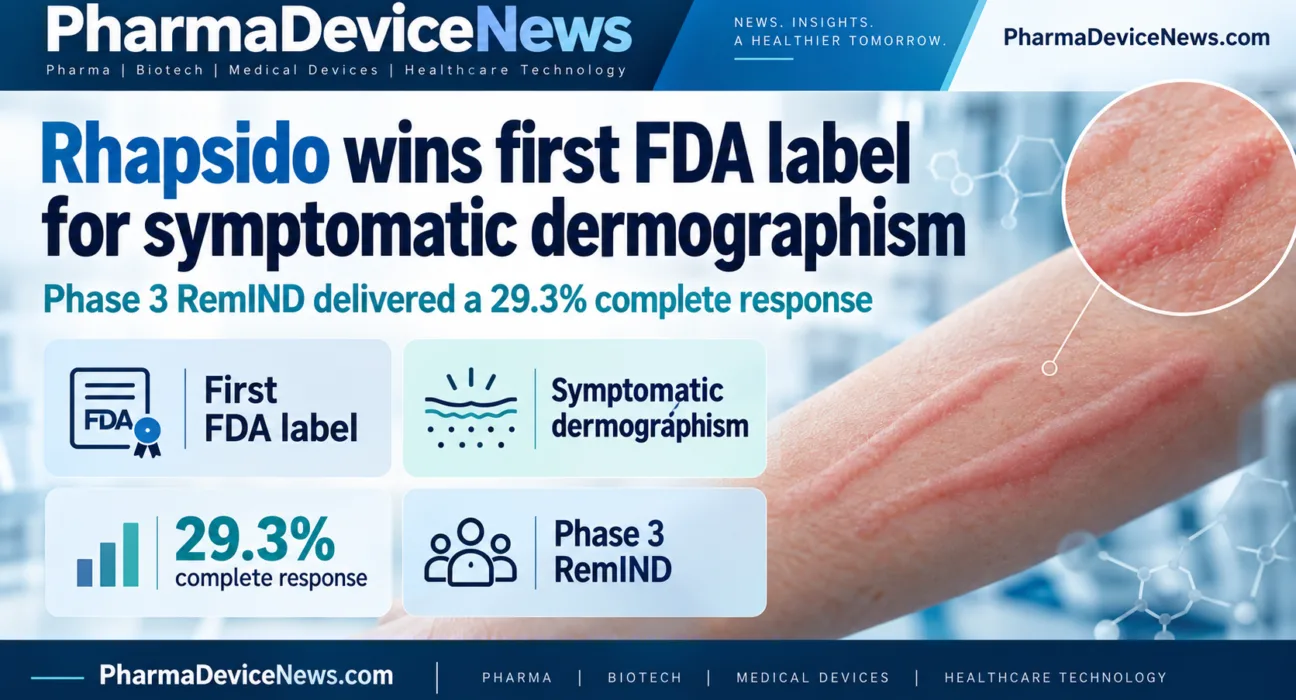
Novartis’ Rhapsido won the first FDA label for symptomatic dermographism after a 29.3% complete response in Phase 3 RemIND.
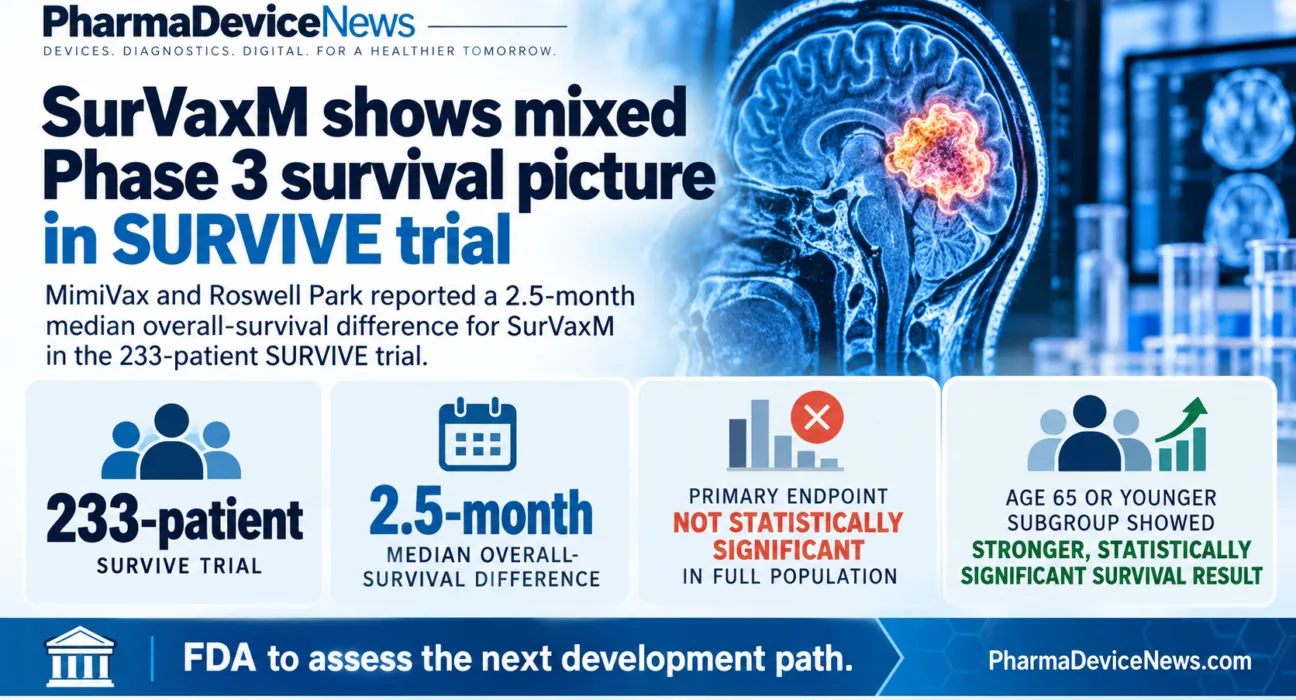
MimiVax and Roswell Park reported a 2.5-month median overall-survival difference for SurVaxM in the 233-patient SURVIVE trial, but the full-population primary endpoint did not reach statistical significance. A prespecified group aged 65 or younger showed a stronger and statistically significant survival result, leaving the FDA to assess whether the signal is sufficient to define the

argenx stops the Phase 3 UNITY efgartigimod trial in Sjögren’s disease for futility despite earlier positive Phase 2 results.
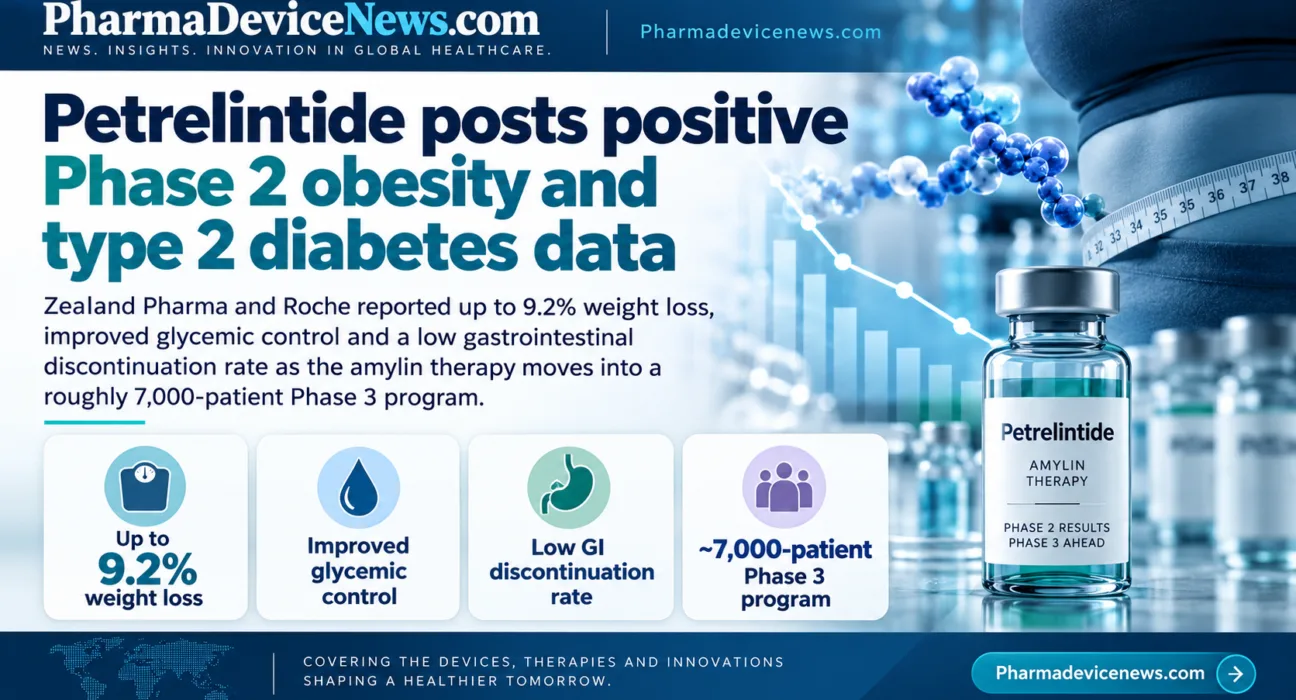
Zealand Pharma and Roche have reported positive Phase 2 data for petrelintide in people with obesity and type 2 diabetes, combining up to 9.2% weight loss with improved glycemic control and a low gastrointestinal discontinuation rate as the amylin therapy enters a roughly 7,000-patient Phase 3 program.
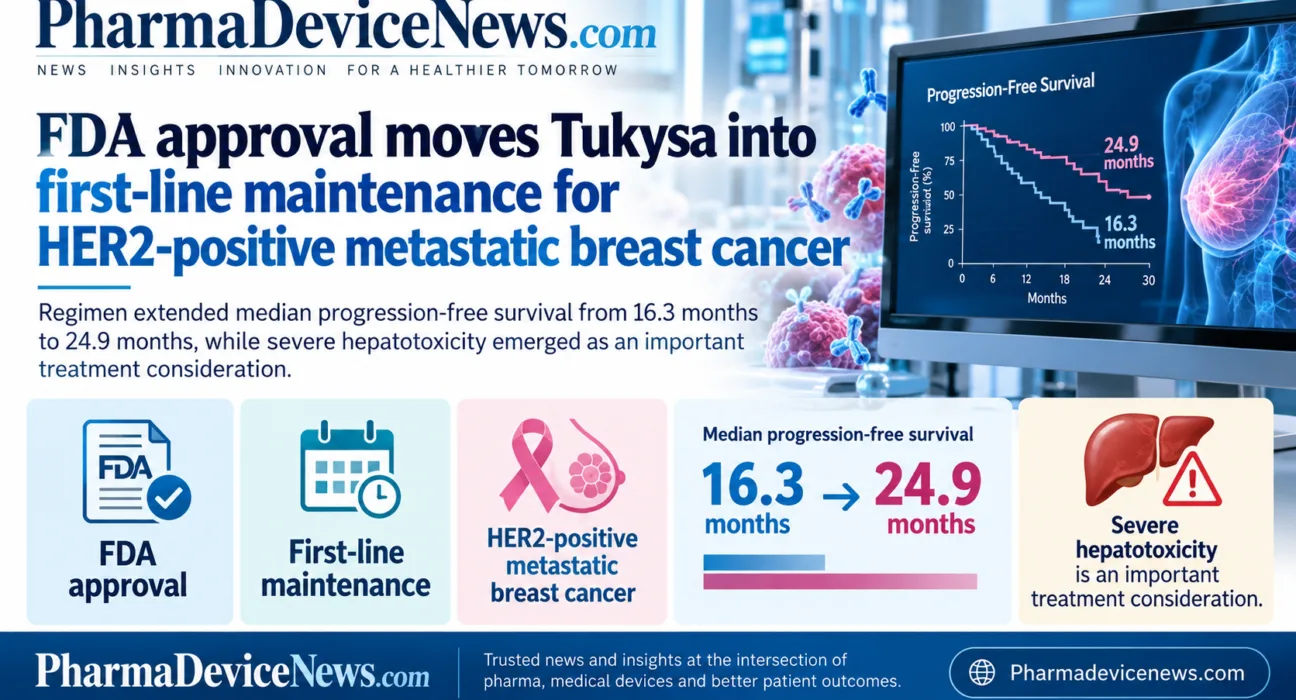
FDA approval moves Pfizer’s Tukysa into first-line maintenance for HER2-positive metastatic breast cancer after the regimen extended median progression-free survival from 16.3 to 24.9 months, although severe hepatotoxicity has emerged as an important treatment consideration.

FDA grants Priority Review to oral infigratinib after positive PROPEL 3 achondroplasia results, setting a February 4, 2027 decision.

Firmonertinib misses the FURVENT Phase 3 PFS endpoint in EGFR exon 20 insertion NSCLC despite stronger response and investigator-assessed results.

FDA clears Click Therapeutics’ Motivista, the first treatment specifically authorized for negative symptoms of schizophrenia.

BridgeBio reports new BBP-418 cardiac data in LGMD2I/R9 as the oral therapy approaches a November 27 FDA decision.

The FDA has accepted Roche’s fenebrutinib filing under Priority Review for both relapsing and primary progressive multiple sclerosis, potentially creating a high-efficacy oral alternative across disease forms currently treated very differently.