Celltrion USA, Inc., the American subsidiary of South Korean biopharmaceutical manufacturer Celltrion, Inc. (KRX: 068270), has announced new analyses of Zymfentra (infliximab-dyyb), its subcutaneous infliximab maintenance therapy, showing higher clinical remission and endoscopic response rates than intravenous infliximab in a matched population of patients with ileum-dominant Crohn’s disease. Disclosed on October 11, 2026, ahead of presentations at the American College of Gastroenterology Annual Scientific Meeting in Nashville, the findings also include a separate investigation of treatment outcomes after intravenous infliximab interruption in adults with Crohn’s disease and ulcerative colitis.
The late-breaking Crohn’s disease analysis reported clinical remission in 71.4% of patients receiving subcutaneous infliximab compared with 51.4% receiving intravenous infliximab at Week 54. Endoscopic response rates were 65.7% and 27.1%, respectively, while endoscopic remission occurred in 41.4% and 17.1% of patients. All three comparisons achieved statistical significance in the matched analysis, although the findings were derived from pooled registrational studies rather than a new randomized head-to-head trial.
The second analysis examined patients who initiated subcutaneous infliximab following an interruption of intravenous treatment, including individuals with previously detected anti-drug antibodies. Celltrion reported generally comparable clinical outcomes across antibody-status groups, accompanied by increasing serum infliximab concentrations and reductions in inflammatory biomarkers after subcutaneous treatment began. These results may help inform questions about treatment continuity and immunogenicity, but they do not establish that restarting therapy is equally effective or safe for all patients after a prolonged interruption.
Together, the analyses broaden the clinical evidence surrounding subcutaneous infliximab while introducing important distinctions between established treatment benefits, exploratory findings and potential changes to prescribing practice. Zymfentra is already approved in the United States for maintenance treatment of moderately to severely active Crohn’s disease and ulcerative colitis in adults following intravenous infliximab treatment. The latest conference analyses concern specific patient populations and dosing circumstances that require interpretation within the product’s existing regulatory label.
How did Zymfentra perform against intravenous infliximab in ileum-dominant Crohn’s disease?
The late-breaking analysis examined individual patient data from four infliximab registrational studies involving 884 participants. Researchers selected patients with ileal or ileocolonic Crohn’s disease who had received maintenance treatment with subcutaneous infliximab at 120 mg every two weeks or intravenous infliximab at 5 mg/kg every eight weeks. Of the original population, 200 patients met the eligibility criteria, and a subsequent 1:1 propensity score-matched analysis included 70 patients in each treatment group.
The analysis found a 20-percentage-point difference in Week 54 clinical remission, favouring subcutaneous treatment. Clinical remission occurred in 71.4% of patients receiving subcutaneous infliximab compared with 51.4% receiving intravenous treatment, with a reported p-value of 0.023. These findings suggest a potentially relevant difference in disease control among the selected patients, although the magnitude should be interpreted within the limitations of the pooled study design.
The difference was more pronounced for endoscopic response, which occurred in 65.7% of the subcutaneous group compared with 27.1% of the intravenous group. This represented an absolute difference of 38.6 percentage points, with statistical significance reported at p less than 0.001. Endoscopic remission was achieved by 41.4% of patients receiving subcutaneous treatment compared with 17.1% of those receiving intravenous infliximab, an absolute difference of 24.3 percentage points with a p-value of 0.003.
These findings are clinically relevant because endoscopic outcomes provide information about intestinal inflammation that is not necessarily captured by symptom-based disease activity measurements. A patient may report symptomatic improvement while continuing to experience inflammatory changes detectable through endoscopic examination. Consequently, the combination of clinical remission and endoscopic outcomes offers a broader assessment of treatment response than clinical symptoms alone.
The analysis also found that patients achieving endoscopic response had significantly higher serum infliximab concentrations than nonresponders in both treatment groups. This association is consistent with the importance of adequate drug exposure in maintaining disease control, but it does not establish that increasing the dose or changing the administration route will necessarily improve outcomes for an individual patient. Differences in drug clearance, inflammatory burden and treatment history may also influence circulating concentrations and clinical response.
Why does the matched study design limit claims that subcutaneous infliximab is clinically superior?
The most important methodological limitation is that patients were not newly randomized between subcutaneous and intravenous treatment within a single head-to-head trial. Instead, investigators pooled patient-level information from four registrational studies and used propensity score matching to construct groups with more comparable observed characteristics. This method can reduce imbalances in factors included in the matching model, but it cannot eliminate the effects of unmeasured confounding or differences in study conduct.
The reduction from 884 participants in the original studies to 200 eligible patients, followed by a matched population of 140, also narrows the evidence base. The selected participants may not represent the broader Crohn’s disease population, particularly patients with different disease locations, previous treatment failures or complex comorbidities. Matching improves the comparability of the analysed groups according to measured characteristics, but it does not automatically make the findings generalizable to every patient receiving infliximab.
Differences in clinical trial protocols, eligibility criteria, background medications and assessment schedules can further complicate comparisons assembled from separate studies. Even when researchers use consistent endpoint definitions, variations in participant characteristics may influence the apparent relationship between treatment route and outcomes. These factors remain relevant despite the statistically significant findings reported across all three Week 54 endpoints.
The results therefore provide a meaningful comparative signal rather than definitive evidence that subcutaneous infliximab is superior to intravenous infliximab in ileum-dominant Crohn’s disease. A prospectively randomized head-to-head trial would offer stronger protection against selection bias and unmeasured confounding. The forthcoming October 14 presentation may provide further information about matching variables, sensitivity analyses and baseline characteristics that will help clinicians assess the robustness of the findings.
What did the LIBERTY studies reveal about restarting infliximab after a treatment interruption?
Celltrion’s second analysis addresses a different clinical challenge involving patients who interrupt intravenous infliximab treatment before subsequently receiving subcutaneous therapy. Anti-drug antibodies can develop during treatment with biologic medicines and may influence drug concentrations, effectiveness and certain treatment-related reactions. The possibility of antibody development creates uncertainty when previously treated patients resume infliximab following a prolonged interruption.
The post hoc investigation drew on patients from the placebo maintenance arms of the Phase 3 LIBERTY-CD and LIBERTY-UC studies who subsequently initiated subcutaneous infliximab at 240 mg every two weeks. Researchers examined clinical outcomes, serum drug concentrations, inflammatory markers and immunogenicity according to whether patients had detectable anti-drug antibodies before beginning subcutaneous treatment. The median interval between the last intravenous infliximab infusion and initiation of subcutaneous infliximab was 16 weeks in both antibody-positive and antibody-negative groups across the two diseases.
Among the 51 patients with Crohn’s disease who initiated subcutaneous infliximab, 37 had previously tested positive for anti-drug antibodies, representing 72.5% of the population. In the ulcerative colitis group, 71 of 77 patients, or 92.2%, had previously tested positive. These proportions indicate that the analysis involved a substantial number of antibody-positive patients, particularly in the ulcerative colitis population.
Celltrion reported that clinical outcomes were generally similar regardless of antibody status before subcutaneous treatment. Clinical response in Crohn’s disease and partial clinical response in ulcerative colitis were observed by approximately eight weeks, with an assessment window of plus or minus two weeks, and responses were reported to persist through follow-up extending to approximately 78 to 80 weeks. The company did not provide detailed numerical response rates for each antibody subgroup in the October announcement, limiting the ability to independently assess the magnitude of any differences.
Serum infliximab concentrations increased following initiation of subcutaneous treatment and were generally comparable over time across antibody-status groups. Fecal calprotectin and C-reactive protein, two measures used to assess inflammatory activity, declined at the first assessment following treatment initiation and remained lower through the final evaluation. Celltrion also reported that antibody positivity decreased among patients with pre-existing antibodies, while newly detected antibodies were uncommon among those initially testing negative.
These findings suggest that detectable anti-drug antibodies before treatment initiation did not consistently prevent favourable subsequent outcomes in the selected study population. However, the antibody-negative comparison groups were small, comprising 14 Crohn’s disease patients and six ulcerative colitis patients. Such imbalances constrain the precision of subgroup comparisons and make it difficult to exclude clinically important differences between antibody-positive and antibody-negative patients.
Can the new antibody findings establish that Zymfentra is effective after any infliximab drug holiday?
The clinical implications of treatment interruption are more complicated than the presence or absence of detectable anti-drug antibodies at a single time point. Antibody concentrations can vary over time, while different laboratory assays may have different sensitivities and characteristics. Treatment history, previous infusion reactions, concomitant immunomodulators and the degree of active inflammation may also influence the outcomes observed after treatment resumes.
The latest analysis offers encouraging information about subcutaneous infliximab following a defined interruption in a selected clinical trial population. Nevertheless, the research was conducted retrospectively using data from participants in previously completed studies rather than through a new trial specifically randomizing patients to different reinitiation strategies. Patients who received the investigational treatment and remained under follow-up may also differ from the broader population of individuals who interrupt biologic treatment in routine care.
An additional limitation concerns the relationship between declining antibody positivity and clinical effectiveness. A reduction in detectable antibodies following treatment does not automatically establish that immunogenicity has been eliminated or that future hypersensitivity reactions cannot occur. The association between antibody status and treatment outcomes also depends on drug exposure, assay characteristics and the broader clinical context.
The findings should therefore not be interpreted as establishing that Zymfentra can be restarted without concern after any treatment interruption. Nor do they demonstrate that a subcutaneous route removes the immunogenicity-related risks associated with infliximab. Larger prospective studies with clearly defined interruption periods, antibody measurements and clinical safety assessments would be more informative for determining which patients might benefit from particular reinitiation strategies.
Why is the 240 mg Zymfentra dose an important regulatory distinction in the new analysis?
The treatment dose used in the interruption analysis requires particular attention because it differs from Zymfentra’s approved United States maintenance regimen. The current FDA prescribing information specifies 120 mg administered subcutaneously every two weeks for adults with moderately to severely active Crohn’s disease or ulcerative colitis following intravenous infliximab induction. Zymfentra is authorized for maintenance therapy, not as a replacement for the initial intravenous induction regimen.
The October post hoc analysis evaluated subcutaneous infliximab at 240 mg every two weeks after intravenous treatment interruption. Although the higher dose was used in the clinical development programme, its inclusion in an exploratory analysis does not make that regimen an approved United States dosing option. Evidence supporting clinical outcomes under research conditions must be distinguished from the regulatory requirements governing commercial prescribing.
Celltrion is separately pursuing additional clinical evidence for the higher-dose regimen. In September 2026, the company announced that it had submitted an investigational new drug application to the FDA for a Phase 4 study intended to support 240 mg Zymfentra dosing in the United States. The proposed study involves approximately 447 Crohn’s disease and ulcerative colitis patients across 55 American clinical centres and is intended to compare the higher subcutaneous dose with high-dose intravenous infliximab.
The company’s objective is to establish evidence that could support a broader, dose-adjustable treatment strategy involving both 120 mg and 240 mg subcutaneous options. However, submission of a clinical investigation application is not authorization for a new commercial dose, and the eventual regulatory position will depend on the study results and FDA review. The ACG findings may provide supportive information, but they should not be treated as a substitute for the planned investigation or as confirmation that a labeling change will occur.
How does the new evidence compare with the original Phase 3 LIBERTY-CD and LIBERTY-UC results?
The established clinical foundation for Zymfentra comes from the randomized Phase 3 LIBERTY-CD and LIBERTY-UC trials, which investigated subcutaneous infliximab as maintenance treatment after intravenous induction. Both studies initially administered intravenous infliximab at Weeks 0, 2 and 6, after which responding participants were randomized at Week 10 to receive subcutaneous infliximab or placebo every two weeks. The principal efficacy assessments were conducted at Week 54.
In LIBERTY-CD, clinical remission occurred in 62.3% of patients receiving subcutaneous infliximab compared with 32.1% receiving placebo, with statistical significance reported at p less than 0.0001. Endoscopic response was achieved by 51.1% and 17.9% of patients, respectively, also meeting statistical significance. The study therefore provided controlled evidence that subcutaneous maintenance treatment was more effective than placebo after successful intravenous induction.
The LIBERTY-UC trial produced a similar conclusion for ulcerative colitis maintenance. At Week 54, clinical remission was achieved by 43.2% of patients in the subcutaneous treatment group compared with 20.8% receiving placebo, again with a statistically significant difference. These findings supported the drug’s regulatory development by demonstrating maintenance efficacy in patients who had responded to the preceding intravenous induction regimen.
The distinction between these pivotal findings and the newly announced ACG analyses is fundamental. The original LIBERTY trials were randomized, placebo-controlled investigations designed to test prespecified maintenance efficacy endpoints. The October 2026 results instead explore comparative treatment routes in a matched cross-study population and outcomes following treatment interruption in a post hoc subgroup.
Consequently, the newer findings should be viewed as evidence addressing additional clinical questions rather than as replacements for the pivotal efficacy results. They may help clinicians better understand selected patient circumstances and inform future research, but they do not establish a new indication or revise the approved dose. Their contribution will be strongest when interpreted alongside the controlled trial evidence and the product’s established safety profile.
What safety considerations remain important despite Zymfentra’s favourable efficacy findings?
Zymfentra is a tumour necrosis factor-alpha inhibitor, and its prescribing information carries a boxed warning concerning serious infections and malignancies. The infection warning includes tuberculosis, invasive fungal infections and other opportunistic infections that can result in hospitalization or death. These risks require ongoing consideration regardless of whether the medicine is administered subcutaneously or intravenously.
Other identified safety considerations include hepatitis B virus reactivation, hepatotoxicity, hypersensitivity reactions, certain hematologic and neurologic disorders, and the potential worsening of congestive heart failure. The product’s contraindications and precautions remain applicable within its approved use. A change in administration route or greater convenience does not eliminate the systemic immunosuppressive effects of infliximab.
The original LIBERTY trials provided a substantial safety dataset supporting the approved maintenance regimen, but the October announcement focused on efficacy, drug exposure and immunogenicity rather than presenting a comprehensive new comparative safety analysis. In particular, the treatment-interruption findings did not establish that patients with pre-existing antibodies face no additional risk when therapy resumes. More detailed presentation of adverse events, treatment discontinuations and hypersensitivity outcomes would be important when assessing the practical implications of the reported results.
The higher-dose development strategy also requires a separate benefit-risk evaluation. Greater systemic drug exposure may be relevant in patients with inadequate disease control, but the efficacy and safety consequences of dose adjustment must be supported by appropriate evidence. Establishing noninferiority against a high-dose intravenous regimen would provide useful comparative information, although the eventual clinical implications would depend on the full efficacy and safety findings.
How could the ACG 2026 data strengthen Celltrion’s position in the US inflammatory bowel disease market?
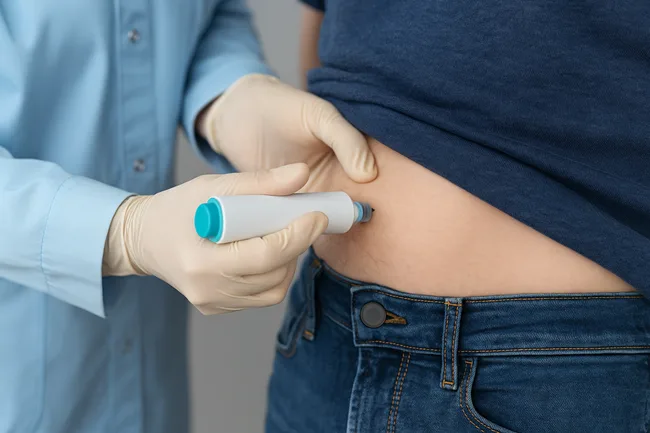
The commercial importance of Zymfentra lies partly in offering an alternative administration route for patients who would otherwise continue receiving intravenous infliximab maintenance therapy. Intravenous treatment requires scheduled infusion arrangements and associated clinical resources, while subcutaneous administration can provide additional flexibility when patients are appropriately trained and suitable for self-administration. The convenience advantage is operational rather than proof that subcutaneous treatment delivers better outcomes for every patient.
For Celltrion, the latest Crohn’s disease findings provide a possible clinical differentiation argument beyond administration convenience. If additional research confirms favourable outcomes in particular disease phenotypes, the company could strengthen its positioning among gastroenterologists considering treatment routes and maintenance strategies. The current matched analysis, however, is insufficient to establish general superiority over intravenous infliximab.
The financial context also indicates why expanding the evidence base matters to Celltrion’s commercial strategy. In August 2026, the company reported that Zymfentra generated approximately 99.5 billion South Korean won in United States revenue during the first half of 2026, representing year-on-year growth of 176.4%. Its Remsima SC product, marketed outside the United States, generated approximately 356.7 billion won over the same period, bringing combined revenue for the subcutaneous infliximab product family to 456.2 billion won.
Those figures demonstrate growing commercial demand for Celltrion’s subcutaneous infliximab products, although revenue growth should not be attributed to the October conference findings, which were announced subsequently. The company has also reported broad United States insurance coverage and continued development of its direct commercial infrastructure. Actual patient access remains dependent on individual insurance arrangements, eligibility requirements and other applicable coverage conditions.
Celltrion’s wider objective is to establish greater flexibility in infliximab treatment through multiple administration and dosing options. The potential introduction of a higher subcutaneous dose could become commercially relevant for patients requiring treatment intensification, provided the necessary evidence and regulatory authorization are obtained. The company is also pursuing development in rheumatoid arthritis, but Zymfentra’s current United States approval remains limited to the specified Crohn’s disease and ulcerative colitis maintenance indications.
Because Celltrion is publicly traded in South Korea, Zymfentra’s performance contributes to investor assessments of the company’s biosimilar and innovative product portfolio. The substantial first-half sales growth provides a positive commercial signal, while the clinical and regulatory development programmes create additional opportunities and execution risks. The ACG announcement does not, by itself, establish an attributable share-price reaction or a quantifiable change in future earnings expectations.
What will the October 13 and 14 presentations clarify about Zymfentra’s clinical potential?
The two analyses will be presented by Marla Dubinsky, professor of pediatrics and director of the Inflammatory Bowel Disease Center at the Icahn School of Medicine at Mount Sinai in New York. The treatment-interruption analysis is scheduled for October 13 during the inflammatory bowel disease plenary session, followed by the late-breaking ileum-dominant Crohn’s disease comparison on October 14. Both presentations form part of the American College of Gastroenterology’s 2026 Annual Scientific Meeting, held in Nashville from October 9 to 14.
The late-breaking presentation will be particularly useful if it provides additional detail about the propensity score-matching methodology, baseline characteristics and sensitivity analyses. These elements will help determine how confidently the reported differences can be attributed to treatment route rather than differences between the original clinical trial populations. The reported statistical significance across clinical and endoscopic endpoints is encouraging, but the robustness of the findings depends on the underlying comparative methods.
The antibody analysis will require different scrutiny, including the distribution of antibody concentrations, the number of participants contributing data at each assessment and the relationship between immunogenicity and treatment outcomes. Detailed safety findings would also be valuable because treatment interruption can introduce clinical concerns beyond loss of efficacy. The small antibody-negative subgroups, especially among ulcerative colitis patients, make careful interpretation essential.
For Celltrion, the next measurable milestones extend beyond the conference. The company must continue generating evidence for its proposed 240 mg United States treatment strategy while building on the established clinical and commercial foundation of its approved 120 mg maintenance regimen. Further comparative research could also help clarify whether the differences observed in ileum-dominant Crohn’s disease are reproducible in prospectively studied patients.
The October 2026 findings strengthen the research case for investigating subcutaneous infliximab in more specific inflammatory bowel disease treatment circumstances, particularly selected Crohn’s disease phenotypes and patients restarting treatment after interruption. They do not yet establish universal superiority over intravenous infliximab or remove uncertainty surrounding immunogenicity and higher-dose use. The clinical significance of Zymfentra’s expanding evidence base will depend on how convincingly those findings can be reproduced, how they influence approved treatment options and whether they translate into meaningful benefits for patients receiving long-term inflammatory bowel disease care.