Alvotech advances dual Entyvio biosimilar strategy as FDA accepts subcutaneous AVT80 application
FDA accepts Alvotech’s AVT80 application for a subcutaneous Entyvio biosimilar, expanding its vedolizumab strategy alongside Teva.

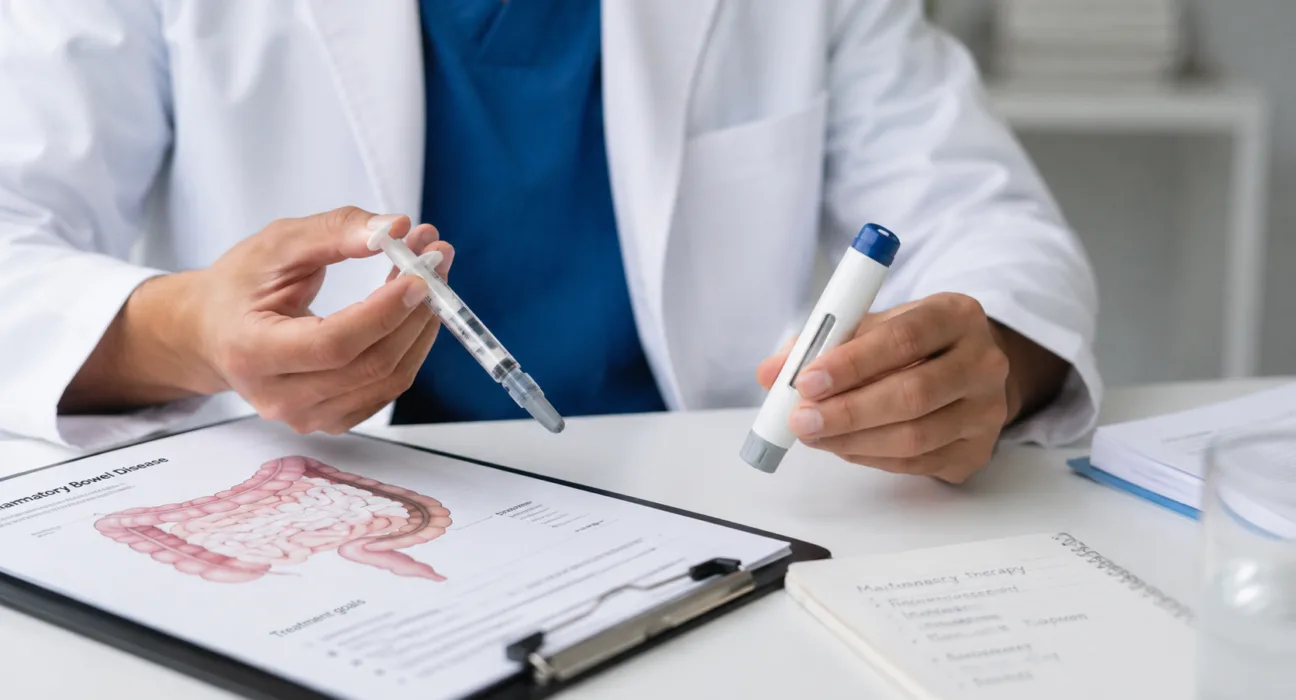
FDA accepts Alvotech’s AVT80 application for a subcutaneous Entyvio biosimilar, expanding its vedolizumab strategy alongside Teva.
Cadrenal Therapeutics gains FDA alignment on a Phase 3 CAD-1005 trial in HIT after encouraging thrombosis data. See the risks and next steps.
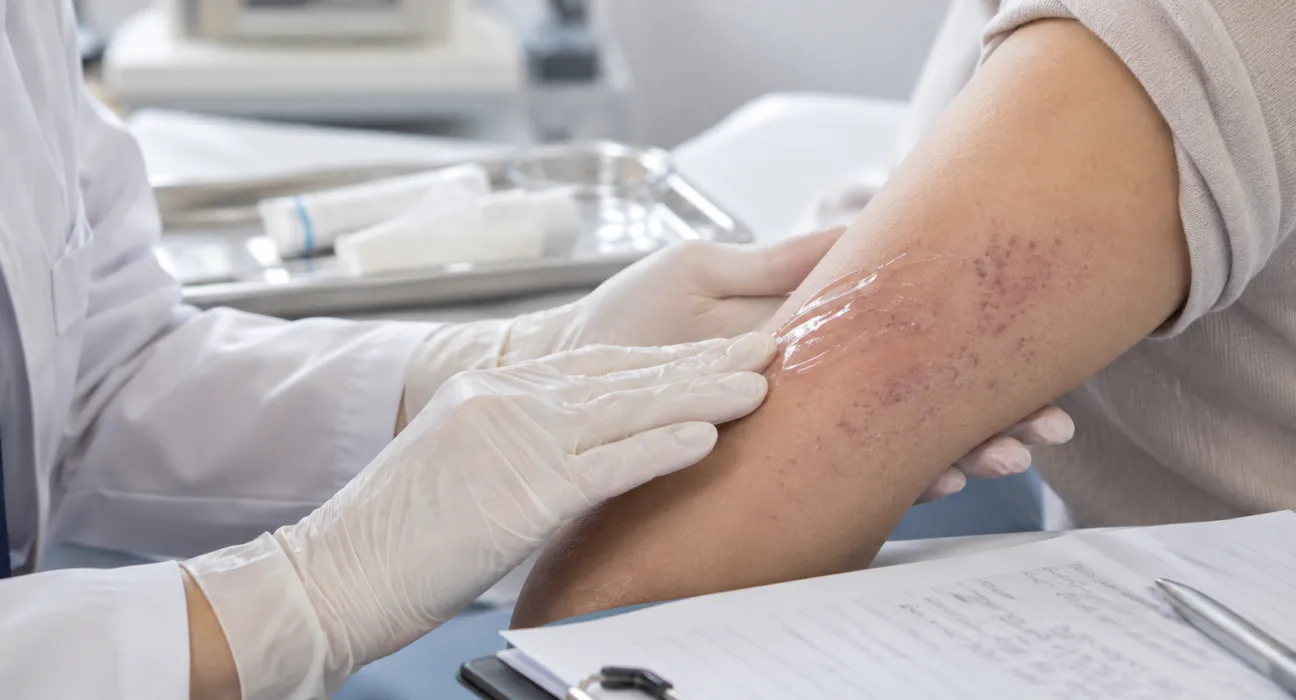
Palvella Therapeutics completes its QTORIN FDA submission after positive Phase 3 results, moving a potential first microcystic LM therapy closer to approval.
FDA-authorized CaRi-Heart software analyzes inflammation in the fat surrounding coronary arteries and combines it with clinical information to estimate cardiovascular mortality risk, pointing toward a future where routine CT scans reveal biological danger invisible to conventional measurements of artery narrowing.
FDA records show a De Novo grant for Brixton Biosciences’ ReneuRx, also known as Neural Ice, a nerve-selective technology developed as a drug-free injectable approach to longer-lasting knee osteoarthritis pain control.
The FDA has issued an early alert involving Abiomed Automated Impella Controllers after purge-cassette recognition failures were associated with 37 serious injuries and three deaths, prompting replacement of controller components used with life-sustaining heart pumps.

Milvexian failed to reduce cardiovascular death, heart attack or ischemic stroke after acute coronary syndrome in the Phase 3 LIBREXIA ACS trial, although the drug did not increase intracranial or fatal bleeding, leaving two major Phase 3 programs to determine whether factor XIa inhibition still works in other diseases.

The landmark STAREE randomized trial found that atorvastatin reduced first major cardiovascular events by 30% among adults aged 70 and older without established cardiovascular disease, diabetes or dementia, potentially resolving a long-running treatment question for older patients.

Anthropic’s new Model Hardware Standard allows artificial-intelligence agents to control microscopes, liquid handlers, robotic arms and other physical laboratory equipment, creating a path toward autonomous drug-discovery laboratories capable of designing, running and adjusting experiments around the clock.
Boston Scientific is removing all Imager II angiographic catheters from use after discovering that reduced stabilizing agents in catheter tips could increase degradation and detachment risk, while the medtech company simultaneously works through a separate global cyber disruption.