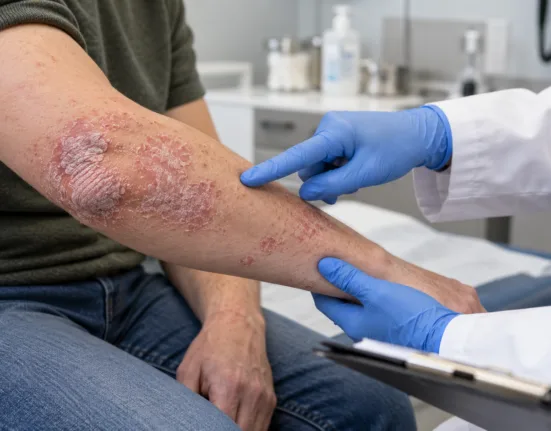
The United States Food and Drug Administration (FDA) has granted accelerated approval to Replimune Group’s Tudriqev in combination with nivolumab for adults with unresectable advanced cutaneous melanoma that progressed during a programmed death receptor-1 blocking treatment.
The August 6, 2026 decision gives oncologists a new option for a difficult stage of melanoma treatment, when tumours have learned to resist widely used immunotherapies. Tudriqev, previously called RP1 and scientifically known as vusolimogene oderparepvec-wtpg, is a genetically modified herpes simplex virus type 1 injected directly into tumours.
Its approval is unusual for more than its cancer-fighting virus mechanism. The FDA rejected Replimune Group’s application twice, while agency reviewers questioned whether the single-arm IGNYTE trial could reliably show that Tudriqev contributed to the observed treatment effect. An FDA advisory committee subsequently voted 10 to 3 that the efficacy results were evaluable and clinically meaningful.
The final approval rests on a more conservative analysis than the one Replimune Group originally highlighted. Among 91 patients who had at least one non-injected lesion, 24.2% experienced a confirmed tumour response and responding patients had a median response duration of 14.1 months.
Those results mean approximately one in four evaluable patients had tumours shrink beyond the required threshold. They do not mean that Tudriqev has been shown to extend survival, and the 14.1-month duration applies only to patients who responded rather than to the entire treated population.
The decision therefore represents both a breakthrough and an unfinished regulatory argument. Tudriqev can enter the United States market, but continued approval depends on Replimune Group confirming clinical benefit in the randomized Phase 3 IGNYTE-3 trial.
Why did the FDA approve Tudriqev after rejecting Replimune Group’s application twice?
Replimune Group submitted the original Tudriqev biologics licence application in November 2024, seeking accelerated approval based primarily on the Phase 2 anti-PD-1-resistant melanoma cohort within the IGNYTE study.
The FDA issued its first complete response letter in July 2025. Replimune Group resubmitted the application in October 2025, but the agency rejected it again on April 10, 2026.
FDA reviewers maintained that the single-arm trial lacked a concurrent control and did not isolate the contribution of Tudriqev from nivolumab. They also raised concerns about the method used to measure responses when an experimental therapy was being injected directly into some of the lesions included in the response calculation.
The second rejection prompted a highly public dispute. Replimune Group argued that the agency had previously indicated a sufficiently compelling single-arm dataset could support accelerated approval. The company also announced job reductions and a substantial scaling back of its United States manufacturing operations after concluding that development would not remain viable without a regulatory path forward.
Replimune Group submitted another response on June 2, including longer survival follow-up, analyses comparing patients’ outcomes with their immediately preceding anti-PD-1 therapy and preliminary contextual information from the randomized IGNYTE-3 trial.
The FDA then convened its Cellular, Tissue, and Gene Therapies Advisory Committee on July 30. The committee was not asked to decide whether Tudriqev should be approved outright. It was asked whether the IGNYTE efficacy results were evaluable and clinically meaningful, and ten members voted yes while three voted no.
The final decision did not make every earlier criticism disappear. Instead, the FDA approved Tudriqev using a narrower efficacy population designed to reduce the influence of directly injected target lesions, while requiring a randomized survival trial to verify the benefit.
That distinction matters. Tudriqev was not rescued by a newly completed Phase 3 trial. It reached the market after the agency, outside advisers and Replimune Group reconsidered how the existing evidence should be interpreted in a population with limited treatment options.

How does Tudriqev use an engineered herpes virus to attack advanced melanoma?
Tudriqev is derived from herpes simplex virus type 1, the virus commonly associated with oral cold sores. It has been genetically modified to reduce its ability to reproduce in healthy tissue while retaining the ability to replicate preferentially within tumour cells.
Once injected into a melanoma lesion, the virus enters susceptible cancer cells and reproduces. The infected tumour cells eventually rupture, releasing viral material, tumour antigens and inflammatory signals into the surrounding environment.
This direct destruction is only the first part of the intended treatment effect. Replimune Group designed Tudriqev to make an immunologically quiet or resistant tumour more visible to the immune system.
The virus expresses granulocyte-macrophage colony-stimulating factor, which is intended to help recruit and activate antigen-presenting immune cells. These cells can process material released from the destroyed tumour and present it to T cells.
Tudriqev also expresses a modified fusogenic protein known as GALV-GP R-. This protein is intended to cause infected tumour cells to fuse with neighbouring cancer cells, increasing local tumour destruction and the release of antigens.
Nivolumab, marketed by Bristol Myers Squibb as Opdivo, blocks the PD-1 immune checkpoint. This checkpoint normally restrains T-cell activity and can be exploited by cancer cells to suppress an immune attack.
The combination is intended to create a two-stage response. Tudriqev damages the injected tumour and stimulates immune recognition, while nivolumab removes an inhibitory signal that might otherwise prevent activated T cells from sustaining their attack.
The clinically important question is whether this local intervention produces a systemic response. Shrinking the tumour that receives the injection is useful, but advanced melanoma commonly exists in several parts of the body. The broader promise of Tudriqev depends on immune activity reaching lesions that were never injected.
What did the IGNYTE trial show about responses in non-injected melanoma lesions?
IGNYTE was an open-label, multicentre Phase 1/2 study that evaluated Tudriqev alone or in combination with nivolumab across several advanced solid-tumour cohorts.
The melanoma cohort supporting approval enrolled 140 adults with Stage IIIB, IIIC or IV unresectable cutaneous melanoma. Participants had experienced confirmed progression after receiving at least eight consecutive weeks of an anti-PD-1-based treatment.
Replimune Group’s original full-population analysis reported an objective response rate of 33.6%, including complete and partial responses. The company reported a median response duration of 24.8 months in that population.
The FDA-approved prescribing information uses a different efficacy population. It includes 91 of the 140 participants who had at least one lesion that was not injected with Tudriqev.
Among those 91 patients, the independently reviewed objective response rate was 24.2%, with a 95% confidence interval extending from 15.8% to 34.3%. The median duration of response was 14.1 months, with the upper confidence boundary not yet reached.
Among the responding patients, 86.1% maintained the observed response for more than six months and 54.6% remained in response for more than 12 months. The observed response durations ranged from 3.9 months to more than 34.6 months.
This narrower analysis is important because every patient had disease outside the directly treated lesion. A whole-patient response in this population offers more support for systemic activity than shrinkage limited entirely to tumours receiving the virus.
It does not fully isolate the Tudriqev effect. Every patient also received nivolumab, and the study did not include a randomized nivolumab-only group. Some patients can respond when an immune checkpoint inhibitor is reintroduced, particularly when their earlier treatment history differs from that of other resistant patients.
The population also remained clinically diverse. Some participants had received anti-PD-1 treatment alone, while others had received combinations involving cytotoxic T-lymphocyte antigen 4 blockade. Disease stage, previous response, treatment duration, BRAF mutation status and the location of metastases could all influence the probability of responding.
The result is encouraging but less dramatic than the original one-in-three figure. It supports genuine activity in non-injected disease while leaving uncertainty about precisely how much of that activity came from Tudriqev.
Why were FDA reviewers concerned about using standard tumour-response rules in IGNYTE?
Solid-tumour response rates are commonly assessed through Response Evaluation Criteria in Solid Tumors version 1.1. These rules were developed primarily to evaluate systemic therapies that expose all measurable tumours to the same medicine.
Tudriqev creates a different problem because it is administered directly into selected lesions. A tumour can shrink because the virus destroyed it locally, even if the treatment did not generate a systemic immune response capable of controlling cancer elsewhere.
Standard response rules generally caution against using lesions treated with a local procedure as ordinary measurable targets. Surgery, biopsy, radiation and intratumoral treatment can all change the size or appearance of a lesion in ways that complicate radiographic interpretation.
FDA reviewers argued that Replimune Group’s application of the criteria could inflate the response rate and duration by including tumours affected directly by injection, reinjection, biopsy or surgery. The agency also questioned some assessments made after patients had continued or restarted treatment beyond recorded disease progression.
There is no broadly validated regulatory response system specifically designed for intratumoral therapies. Excluding every injected lesion can underestimate benefit, because the local action is part of the intended therapy. Including every injected lesion can overestimate systemic activity, because local tumour destruction does not necessarily indicate disease control elsewhere.
The final 91-patient efficacy population represents a practical regulatory compromise. Each included patient had at least one non-injected lesion, making it harder for the entire response to be explained by direct destruction of all measurable disease.
That compromise improves interpretability but does not turn the study into a randomized trial. It remains possible that patient selection, nivolumab rechallenge or other factors influenced the observed responses.
What does accelerated approval mean for patients considering Tudriqev treatment?
Accelerated approval allows the FDA to authorize treatments for serious conditions based on an endpoint considered reasonably likely to predict clinical benefit. In oncology, a sufficiently large and durable tumour response can support this pathway before an overall survival benefit is available.
Tudriqev received accelerated approval based on objective response rate and duration of response. It has not received traditional approval based on evidence that it helps patients live longer or consistently delays disease progression compared with another treatment.
The FDA’s decision reflects the severity of anti-PD-1-resistant melanoma and the limited options available to many patients. It also reflects the durability of some IGNYTE responses and the comparatively manageable safety profile seen in the trial.
Replimune Group must now complete IGNYTE-3, an open-label, randomized Phase 3 study expected to enroll approximately 400 patients. The study compares Tudriqev plus nivolumab with a physician-selected treatment and uses overall survival as its primary endpoint.
The approval letter requires the study to be completed by September 2030, with a final report submitted by March 2031. Replimune Group must provide progress reports during the intervening period.
If IGNYTE-3 confirms that Tudriqev improves survival, progression outcomes or another meaningful measure of benefit, the company could seek conversion to traditional approval. If the trial fails, is substantially delayed or does not verify clinical benefit, the FDA can begin proceedings to withdraw the indication.
Patients and clinicians therefore have access to Tudriqev while the most decisive evidence is still being generated. That is the opportunity created by accelerated approval, and also its central uncertainty.
Which melanoma patients are covered by the Tudriqev label after anti-PD-1 failure?
The approved indication covers adults with unresectable advanced cutaneous melanoma who experienced disease progression with a PD-1-blocking antibody-based regimen.
The label does not require prior treatment with a BRAF inhibitor, even when a tumour carries a BRAF V600 mutation. It also does not require every patient to have previously received cytotoxic T-lymphocyte antigen 4 treatment.
That flexibility gives oncologists room to consider Tudriqev at different points after anti-PD-1 progression. Treatment decisions will still depend on previous therapies, mutation status, disease speed, tumour location, performance status and whether the patient has an injectable lesion.
Cutaneous melanoma is an important boundary. The approval should not automatically be extended to uveal melanoma, mucosal melanoma or other biologically distinct forms of the disease.
Tudriqev can be injected into superficial tumours and, with imaging guidance, selected deep or visceral lesions involving organs such as the lung or liver. This potentially expands access beyond patients whose cancer is visible on or immediately beneath the skin.
Not every metastatic lesion will be safely accessible. Tumours near major blood vessels, sensitive organs or other high-risk structures may require interventional radiology expertise or may be unsuitable for injection.
Replimune Group has estimated that approximately 80% of patients progressing after PD-1 treatment may have injectable disease, creating a potential United States population of about 10,000 patients across treatment lines. That estimate is based partly on company modelling and real-world analysis rather than the approved label guaranteeing that every such patient can receive treatment.
How is Tudriqev administered and what treatment burden should patients expect?
Tudriqev is given directly into selected tumours once every two weeks for eight consecutive doses. The first dose uses a concentration of one million plaque-forming units per millilitre, while subsequent doses use ten million plaque-forming units per millilitre.
The dose volume is calculated using tumour size, at one millilitre for each centimetre of the lesion’s largest dimension. No more than ten millilitres can be administered across all treated lesions during a dosing visit.
When several injectable tumours are present, clinicians are directed to prioritize rapidly growing and larger new or existing lesions. Additional Tudriqev treatment may be considered at the physician’s discretion after the initial series.
Nivolumab begins during the third week and is administered intravenously according to its approved prescribing information. Replimune Group’s launch materials indicate that nivolumab may continue for as long as two years when clinically appropriate.
Superficial injections may be performed by an oncologist familiar with intratumoral treatment. Deep lesions are more likely to require an interventional radiologist, image guidance, procedure scheduling and monitoring for organ-specific complications.
The treatment is less manufacturing-intensive than an individualized cell therapy because it does not require tumour removal, cell expansion and production of a patient-specific medicine. It still involves repeated procedures, intravenous immunotherapy and coordination between different clinical teams.
Convenience will therefore vary considerably. A patient with several easily accessible skin or lymph-node lesions may have a simpler treatment pathway than someone requiring repeated image-guided injections into a deep organ.
What safety risks come with injecting a modified herpes virus into tumours?
Most common adverse reactions reported with Tudriqev plus nivolumab were mild or moderate, but the treatment is not risk-free.
Frequently reported problems included fatigue, fever, chills, nausea, diarrhoea, musculoskeletal pain, injection-site reactions, influenza-like illness, headache, cough, rash, itching, reduced appetite, breathing difficulty, swelling and infections.
Immune-mediated complications associated with nivolumab and treatment-related immune activation can affect the bowel, lungs, liver, endocrine glands, skin and other organs. Serious treatment-related events reported during IGNYTE included hypophysitis, immune-mediated enterocolitis and fever.
The virus creates additional precautions. Patients, caregivers, healthcare workers, pregnant people and newborns should avoid direct contact with injected tumours, used dressings and potentially contaminated bodily fluids.
Suspected herpes infections or reactivation require clinical assessment and treatment. Antiviral medicines may reduce the replication and potential effectiveness of Tudriqev, creating a treatment-management tension when herpes-like symptoms develop.
In the 140-patient melanoma cohort, three patients experienced four herpes-like infection events. The events resolved, and no systemic herpes infection was observed in the IGNYTE programme. Replimune Group has also reported no confirmed transmission of Tudriqev to close contacts, but the label retains precautions because accidental exposure remains biologically possible.
Procedure-related harm becomes more relevant when deep lesions are treated. In the company’s regulatory briefing, three pneumothorax events occurred across 52 lung injections in the melanoma cohort. All were Grade 1 or Grade 2, but a collapsed lung remains a clinically meaningful risk requiring appropriate imaging and procedural expertise.
The overall safety profile appears less intensive than some cell-therapy regimens, although cross-trial comparisons should be treated cautiously. Real-world use will provide a larger test of viral handling, repeated visceral injections and treatment in patients who may be older or medically more complex than clinical-trial participants.
How could Tudriqev compete with Amtagvi, Imlygic and other melanoma treatments?
Treatment after anti-PD-1 progression is not a single, fixed pathway. The available options depend heavily on what a patient has already received and the biological characteristics of the tumour.
Patients who progressed after anti-PD-1 monotherapy may receive nivolumab with ipilimumab. People with a BRAF V600 mutation may be candidates for targeted treatment involving a BRAF inhibitor and a MEK inhibitor. Chemotherapy remains available, although response durability can be limited.
Iovance Biotherapeutics’ Amtagvi is an autologous tumour-infiltrating lymphocyte therapy approved for selected adults with unresectable or metastatic melanoma after prior treatment. It can produce durable responses but requires surgical tumour collection, individualized cell manufacturing, lymphodepleting chemotherapy and interleukin-2 administration at a qualified treatment centre.
Tudriqev offers a different logistical profile. It is an off-the-shelf biological product administered in outpatient settings and does not require removal and expansion of a patient’s immune cells.
Amgen’s Imlygic is also an engineered herpes simplex virus injected into melanoma lesions. Its FDA indication is restricted to the local treatment of unresectable cutaneous, subcutaneous and nodal lesions recurring after surgery, and its approval did not establish an overall survival benefit or a demonstrated effect on visceral metastases.
Tudriqev attempts to move the oncolytic virus concept beyond primarily local tumour control. Its approved label permits treatment of suitable deep and visceral lesions, while the efficacy analysis deliberately focuses on patients with non-injected disease.
That does not establish superiority over Amtagvi, Imlygic or checkpoint combinations. There are no randomized head-to-head trials showing that Tudriqev produces better survival, safety, quality of life or cost-effectiveness than those alternatives.
Its practical advantage may be greatest for patients who need another treatment after PD-1 failure but cannot access or tolerate intensive cell therapy. Its limitations may be most visible in patients without safely injectable lesions or those requiring repeated high-risk visceral procedures.
Will Tudriqev’s reported $450,000 treatment cost and hospital complexity restrict access?
Reuters reported that an average Tudriqev treatment course will carry a price of approximately $450,000 before discounts and rebates. That figure does not necessarily include nivolumab, imaging, interventional radiology, infusion services or management of complications.
A price at this level will place payer coverage and treatment-centre readiness near the centre of the commercial launch. Accelerated approval can create additional reimbursement scrutiny because the confirmatory survival evidence is still pending.
Replimune Group has told investors that Tudriqev should begin shipping approximately 60 days after approval. The company plans to focus initially on about 200 early-adopter accounts before expanding to approximately 450 accounts during the first six months and a broader network over the following year.
The company has identified medical-oncology and interventional-radiology contacts within many of the initial centres. It has also created ReplimuneConnect Plus to provide reimbursement, access and financial-support services.
Established procedure codes for tumour injections may simplify part of the reimbursement process. Deep-lesion treatment still requires hospitals to coordinate pharmacy handling, frozen-product storage, image-guided procedures, infection-control precautions and nivolumab administration.
Replimune Group manufactures Tudriqev at its 63,000-square-foot facility in Framingham, Massachusetts. The product can be stored for up to 48 months at approximately minus 80 degrees Celsius, creating a cold-chain requirement that larger cancer centres may manage more easily than smaller community practices.
The broad label gives Tudriqev substantial commercial potential, but the practical market will be narrower than the written indication. Injectable disease, trained clinicians, institutional approval, payer authorization and proximity to a prepared centre will determine how many eligible patients can actually receive it.
What must the randomized IGNYTE-3 trial prove to secure Tudriqev’s future?
IGNYTE-3 is designed to answer the question that the original single-arm trial could not resolve: whether adding Tudriqev to nivolumab improves outcomes compared with an available treatment selected by the physician.
The study is expected to randomize approximately 400 patients equally between Tudriqev plus nivolumab and physician’s choice. Its primary endpoint is overall survival, with progression-free survival and objective response rate among the important secondary measures.
The confirmatory population is more specifically defined than the broad approved population. Participants generally must have progressed after anti-PD-1 and anti-CTLA-4 treatment administered together or sequentially, subject to protocol provisions and clinical eligibility.
A positive survival result would provide the strongest evidence that the viral therapy does more than shrink injected tumours or generate temporary imaging responses. It would also support the argument that Tudriqev meaningfully reactivates systemic immunity after checkpoint resistance.
The study must additionally show that any benefit is not offset by repeated procedures, immune-mediated toxicity, viral complications or delays in receiving another effective treatment.
Subgroup results will be important. Clinicians will want to understand outcomes among patients with liver metastases, lung disease, primary anti-PD-1 resistance, previous combination immunotherapy, BRAF mutations and varying levels of injectable tumour burden.
Quality-of-life and healthcare-resource data could also influence adoption. A treatment can be technically outpatient-based while still imposing a heavy burden through repeated injections, imaging, travel and coordination between oncology and interventional-radiology teams.
The scheduled 2030 completion leaves several years during which clinical practice will rely on accelerated-approval evidence and accumulating real-world experience. Transparent reporting of enrolment, protocol changes and safety will be essential during that period.
Has Tudriqev finally proved that oncolytic viruses can overcome immunotherapy resistance?
Tudriqev has moved the oncolytic virus field forward, but it has not settled the scientific debate surrounding systemic immune activation.
The treatment produced durable responses in a meaningful minority of heavily pretreated patients. The FDA’s focus on participants with non-injected lesions strengthens the argument that at least some activity extended beyond tumours receiving the virus directly.
The evidence remains vulnerable to the absence of a randomized control group. Nivolumab was administered to every patient, the population was heterogeneous and standard response criteria were never designed specifically for intratumoral medicines.
The FDA’s two rejection letters should not be treated as irrelevant history simply because the final decision was favourable. They identified genuine methodological weaknesses that IGNYTE-3 must address.
At the same time, the approval should not be dismissed as a purely procedural reversal. A 10-to-3 advisory committee majority concluded that the efficacy results were clinically meaningful, and some responses persisted well beyond one year in patients whose melanoma had already progressed on a major immunotherapy class.
Tudriqev now enters a market where the medical need is real, treatment pathways are fragmented and practical differences can matter almost as much as response percentages. An off-the-shelf viral therapy may offer an important middle ground between checkpoint rechallenge and highly intensive individualized cell therapy.
The approval turns Replimune Group from a clinical-stage developer into a commercial biotechnology company, but the more consequential transformation will depend on the Phase 3 trial. Tudriqev has shown that an engineered herpes virus can help some resistant melanoma tumours shrink. It must still prove that this biological activity helps patients live longer and justifies its cost, procedural demands and permanent place in melanoma care.