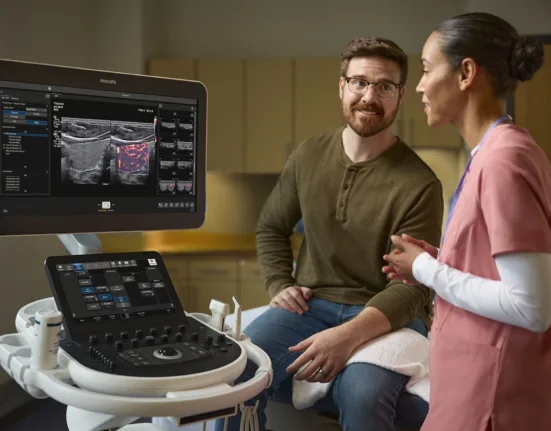
Princeton Radiology has acquired two outpatient imaging centers in Hamilton and Lawrenceville, New Jersey, from Radiology Affiliates Imaging (RAI), a Radiology Partners–affiliated practice. The transaction expands Princeton Radiology’s operational footprint to 13 centers across New Jersey and Pennsylvania and introduces advanced screening services, including whole-body MRI and Smart Breast MRI, to the newly acquired sites.
Why this acquisition reflects a slow but steady wave of local imaging network consolidation
Although modest in geographic scope, the acquisition reflects an accelerating trend in U.S. outpatient diagnostic imaging: regional consolidation focused on patient retention, referral ecosystem control, and competitive insulation from health system encroachment. National platforms such as Radiology Partners and Envision Healthcare have historically driven growth through high-volume mergers and enterprise-scale contracts. In contrast, regional players like Princeton Radiology are consolidating laterally—geographically close, volume-moderate practices—to maintain influence in densely populated suburban referral corridors.
Clinicians familiar with the New Jersey imaging landscape suggest the Hamilton and Lawrenceville locations occupy a strategic catchment between Trenton and Princeton, serving both independent practices and feeder sites for mid-sized hospital systems. Acquiring these centers not only expands Princeton Radiology’s modality base but also strengthens its presence in payer negotiations where network breadth often translates to better reimbursement leverage.
This move underscores the role of radiology as a volume-sensitive specialty, where scale brings not only procurement and IT efficiencies but also visibility within narrow-network health plans increasingly dominated by consolidated payers.
What this reveals about the push toward consumer-centric radiology service models
Beyond physical expansion, Princeton Radiology is signaling a shift in patient-facing strategy. The company plans to introduce enhanced services such as whole-body MRI—a screening tool growing in popularity among asymptomatic individuals—and branded platforms like SmartMamm and Smart Breast MRI. These offerings cater to a rising cohort of health-literate consumers willing to pay out-of-pocket for perceived early detection advantages, particularly in breast health, cardiovascular risk profiling, and oncology monitoring.
While some clinicians remain cautious about the overuse and downstream risk of incidental findings from whole-body imaging, others note the growing patient demand for “peace of mind” screens—particularly among affluent demographics with family history concerns. By embedding these offerings within community centers rather than urban tertiary facilities, Princeton Radiology could tap into the preventive care market without needing academic affiliation or premium pricing structures.
The SmartMamm and Smart Breast MRI suite—branded terms referencing customized protocols for women with dense breast tissue or elevated risk—also helps the group differentiate itself from hospital-based mammography centers, where scheduling backlogs and standardized protocols often leave little room for personalization. Radiologists tracking breast imaging trends suggest these additions could help Princeton Radiology retain referrals from OB/GYNs, family practitioners, and concierge medicine providers seeking bespoke imaging pathways for patients not eligible under standard coverage criteria.
Regulatory and payer dynamics are shaping outpatient imaging economics in 2026
Although this acquisition did not meet the threshold for FTC scrutiny, it occurs within a landscape of mounting regulatory focus on horizontal consolidation in healthcare. While radiology practice deals are generally exempt from Hart–Scott–Rodino pre-merger notifications, cumulative impact reviews are rising in frequency, particularly when a single imaging network captures a significant share of a regional market. That said, most outpatient imaging centers remain atomized, with hundreds of unaffiliated single-site operators still in business across the U.S.—a sharp contrast to hospital consolidation trends.
More pressing for Princeton Radiology is the reimbursement outlook. Recent updates to the Medicare Physician Fee Schedule continue to place downward pressure on advanced imaging modalities, particularly MRI and CT, through reductions in practice expense RVUs and bundling incentives. For regional providers, this makes volume-based growth essential for absorbing overhead—especially as CMS and commercial insurers push toward site-neutral payments and prior authorization enforcement under the Appropriate Use Criteria program.
Radiology trade associations have warned that even with accreditation and high patient satisfaction scores, independent imaging centers may face reduced margins if volume plateaus. Therefore, expanding into adjacent high-margin services (e.g., coronary CT angiography, breast MRI, oncologic PET/CT) is increasingly seen not just as differentiation, but survival.
Payers are also experimenting with alternative payment models for radiology, including global payment arrangements for oncology bundles and value-based imaging contracts tied to clinical decision support compliance. Whether regional players like Princeton Radiology can participate meaningfully in these models—or be sidelined in favor of larger, integrated networks—remains an open question.
Operational integration and technology harmonization remain near-term risks
Princeton Radiology’s press release acknowledged that the acquired centers will continue using their current phone scheduling line for several months until IT systems are fully integrated. This signals one of the most common friction points in post-acquisition healthcare operations: EMR, RIS, PACS, and billing system interoperability.
Radiology networks that fail to unify backend systems quickly risk internal delays, duplicate scheduling errors, inconsistent imaging protocols, and reporting discrepancies—outcomes that can erode both patient satisfaction and referring physician confidence. The presence of advanced protocols like Smart Breast MRI further heightens this risk, as consistent application of specialized sequences and reporting criteria requires workflow standardization and training across sites.
Operational consultants familiar with radiology roll-ups point to a 6–12 month post-merger stabilization period as typical for system harmonization. If Princeton Radiology can manage the integration without service disruption—especially during the busy Q1 preventive care period—it could retain most existing referral volume and grow premium services without loss of throughput.
Cybersecurity and AI integration also represent longer-term strategic variables. As radiology practices adopt AI-powered triage and reporting tools—particularly in breast, lung, and neuroimaging—unified data pipelines and credentialed algorithm governance become essential. Without a coordinated rollout strategy, some centers risk lagging behind on diagnostic turnaround, undermining the very value proposition these acquisitions aim to strengthen.
Competitive implications for regional and national radiology platforms
For Radiology Partners, the sale of two outpatient sites in New Jersey may reflect a tightening focus on higher-margin hospital contracts or an operational reallocation in light of macroeconomic headwinds. Radiology Partners has grown rapidly through a national-scale model but has faced questions in recent years over its debt load, governance structure, and variable integration outcomes.
By contrast, Princeton Radiology represents a more traditional physician-led model focused on organic growth and incremental acquisitions. While not immune to scale limitations, such groups often score higher on patient experience, staff retention, and clinician autonomy—factors that can enhance brand loyalty in saturated suburban markets.
Still, regional independence comes with constraints. Without national purchasing power or AI R&D budgets, regional groups must rely on service quality, local partnerships, and patient experience to remain competitive. As major imaging players continue acquiring AI startups, launching predictive analytics platforms, and offering cloud-based teleradiology capabilities, groups like Princeton Radiology may face a strategic choice: invest in internal tech upgrades, partner with third-party vendors, or risk obsolescence in a tech-dominated diagnostic future.
Over the next 12–18 months, more regional acquisitions of this scale are expected. Whether these transactions create sustainable value or simply buy time in a shifting reimbursement landscape will depend on operational execution, technology modernization, and the ability to defend against both hospital system expansion and AI-native imaging startups.