SOPHiA GENETICS has signed a strategic collaboration memorandum of understanding with Memorial Sloan Kettering Cancer Center to explore the creation of a precision medicine hub for next-generation oncology. The proposed collaboration would combine Memorial Sloan Kettering Cancer Center’s clinical cancer expertise and data resources with the SOPHiA DDM AI platform, positioning the initiative at the intersection of genomics, multimodal data and precision oncology infrastructure.
Why could the proposed precision oncology hub matter beyond another AI healthcare collaboration?
The significance of the proposed hub lies in the difference between using artificial intelligence as a software layer and using it as a clinical infrastructure strategy. Many healthcare AI announcements focus on isolated analytics tools, single-use algorithms or workflow features. This collaboration is more ambitious because it aims to bring together a leading cancer centre’s oncology knowledge base with a cloud-based precision medicine platform that already operates across an international network of healthcare institutions.
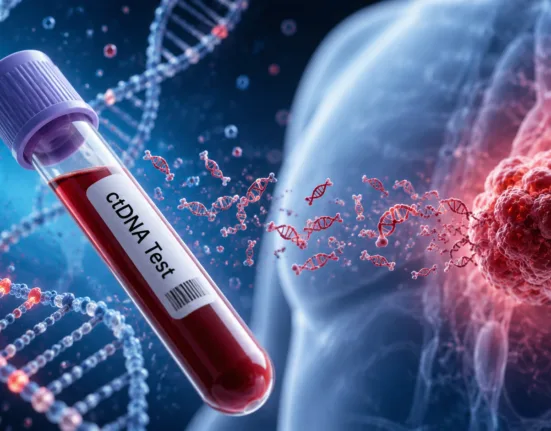
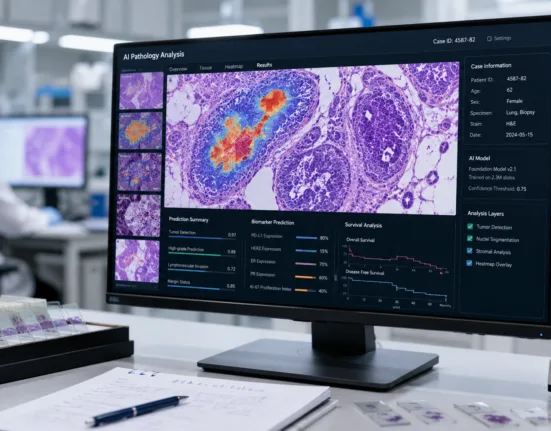
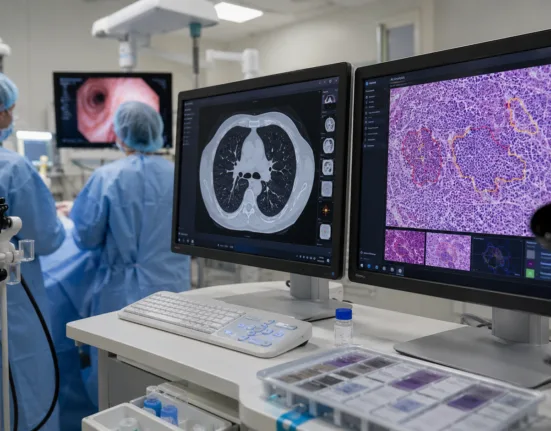
That matters because precision oncology is no longer limited to sequencing a tumour and matching a patient to a drug. Clinical decisions increasingly depend on multiple data layers, including genomics, pathology, radiology, treatment history, outcomes, resistance patterns and trial availability. A platform that can structure and analyse these inputs could help clinicians, researchers and biopharma partners identify patterns that are difficult to extract from fragmented hospital systems.

The risk is that healthcare AI partnerships often sound more integrated than they become in practice. Data standardisation, governance, privacy, clinical validation, regulatory expectations and workflow adoption can all slow the move from memorandum of understanding to operational impact. The proposed hub will need to prove that it can generate usable insights for patient care and drug development, not merely aggregate data into another complex platform.
How does this collaboration reflect the shift from genomic testing to multimodal oncology intelligence?
Precision oncology began with genomic testing as the core driver of treatment selection, but that model is becoming too narrow for the complexity of modern cancer care. Tumours are shaped not only by mutations, but also by expression profiles, immune microenvironments, radiological features, pathology context, prior therapies and real-world outcomes. This is why the phrase multimodal precision oncology has become more important across cancer research and diagnostics.
SOPHiA GENETICS and Memorial Sloan Kettering Cancer Center are aiming at that broader opportunity. If the proposed hub can combine molecular data with richer clinical context, it could help identify patient subsets, resistance mechanisms and trial-matching opportunities more effectively than genomic testing alone. For biopharma companies, such infrastructure could support therapy development by linking molecular profiles to outcomes and by improving selection strategies for targeted treatment programmes.
The limitation is that multimodal oncology is difficult because each data type has its own quality issues. Genomic files may be structured, but clinical records can be inconsistent. Imaging and pathology data require specialised interpretation. Outcomes data can be incomplete or biased by treatment access and institutional practice patterns. A successful hub must solve the unglamorous problems of data cleaning, harmonisation and clinical relevance before it can deliver high-value AI insights.
Why does Memorial Sloan Kettering Cancer Center add weight to the precision medicine strategy?
Memorial Sloan Kettering Cancer Center adds scientific and clinical weight because it is one of the world’s most recognised cancer institutions, with deep experience in molecular oncology, clinical trials and translational cancer research. Its sequencing and clinical expertise can give the proposed hub a high-quality knowledge foundation, which is critical because AI models in oncology are only as useful as the data and clinical questions that shape them.
For SOPHiA GENETICS, the relationship offers more than reputational value. It provides an opportunity to connect its platform to a major cancer centre with experience in high-complexity tumour profiling and clinical decision-making. That could help the Swiss precision medicine technology firm refine its platform for oncology applications that require more than automated interpretation. It could also support use cases for biopharma partners seeking better data-driven development pathways.
The risk is that elite cancer-centre workflows do not always translate easily into broader community or international practice. A precision medicine hub built around a top-tier academic institution may generate powerful insights, but health systems elsewhere may have different data maturity, testing access, informatics resources and treatment availability. The collaboration’s long-term value will depend on whether it can produce models and workflows that travel beyond a single institutional environment.
What could this mean for cancer patients and clinicians if the hub becomes operational?
For clinicians, the potential value lies in more structured decision support. Oncology teams often face complex questions around which molecular alteration matters, whether a patient fits a trial, how resistance should be interpreted and whether a treatment pathway is supported by similar cases. A precision medicine hub could help organise evidence and data in ways that make those decisions faster and more consistent.
For patients, the promise is more indirect but still important. Better data integration could improve tumour profiling interpretation, trial matching and understanding of why some patients respond while others do not. In rare molecular subtypes, where individual centres may see only limited patient numbers, a connected data platform can potentially expand the evidence base by finding comparable cases across broader datasets.
The limitation is that AI-enabled decision support must be carefully governed. Cancer treatment decisions carry high consequences, and clinicians need transparency around how recommendations are generated, what data support them and where uncertainty remains. If the platform functions as a black box, adoption may be limited. If it provides explainable, clinically contextual insights that oncologists can interrogate, its usefulness could rise substantially.
Why is this also a biopharma infrastructure story rather than only a hospital technology story?
The proposed hub has clear implications for biopharma because drug developers increasingly need better ways to identify biomarker-defined populations, understand resistance and support trial design. Precision oncology drugs often target narrower patient groups, which makes patient identification and trial recruitment more difficult. Data platforms that link molecular features to clinical outcomes can help biopharma companies design smarter studies and select more relevant endpoints.
SOPHiA GENETICS has already positioned its platform as a bridge between healthcare institutions and life sciences partners. A collaboration with Memorial Sloan Kettering Cancer Center could strengthen that role by adding deeper oncology expertise and a richer clinical context. For drug developers, the value could lie in accessing insights derived from multimodal oncology data rather than relying only on fragmented retrospective datasets.
The risk is that partnerships involving patient-derived clinical data must navigate governance carefully. Institutions need to protect privacy, preserve patient trust and ensure that data use aligns with ethical and regulatory expectations. Biopharma partners may want scalable insights, but hospitals must maintain control over how data are used. The hub’s success will depend partly on whether it can create a trusted model for collaboration that balances scientific value with responsible data stewardship.
How does this fit into the competitive market for AI-driven precision medicine platforms?
The AI-driven precision medicine platform market is becoming increasingly crowded. Technology firms, diagnostics companies, academic medical centres, sequencing providers and biopharma data platforms are all competing to become the layer that connects molecular data to clinical action. The winners will likely be those that combine high-quality data, clinical credibility, scalable analytics and integration into real-world workflows.
SOPHiA GENETICS brings a cloud-native model and an existing international footprint. Memorial Sloan Kettering Cancer Center brings oncology depth and institutional authority. Together, they could create a differentiated position if the proposed hub can support both clinical and biopharma use cases. This is especially relevant as oncology moves toward more complex biomarkers, combination regimens and longitudinal treatment monitoring.
The limitation is that platform competition is not won by announcements. Health systems are cautious buyers, clinicians are selective users and biopharma companies demand evidence that analytics can improve development decisions. SOPHiA GENETICS will need to show that the hub produces actionable insights, not just large datasets and attractive dashboards. In precision medicine, credibility is earned through repeated clinical usefulness.
What regulatory and compliance issues could shape the collaboration?
Any precision oncology hub built around clinical data and AI analytics will face regulatory and compliance questions. Data privacy, cross-border data handling, patient consent, cybersecurity and institutional review requirements are central. If outputs are used for research only, the regulatory burden may differ from tools used directly to guide patient management. If decision support becomes more clinically embedded, expectations around validation and oversight will rise.
The confirmed development is an MOU, which means the collaboration is still at a planning and structuring stage. That is important because the legal, operational and regulatory framework will determine what the hub can actually do. A research-oriented platform may move faster, while a clinically deployed decision-support model may require more stringent validation and governance.
The unresolved question is how far the partners intend to move toward clinical decision-making. AI tools that influence diagnosis, treatment selection or patient management may eventually face more direct regulatory scrutiny. Even where formal device regulation does not apply, hospitals and clinicians will expect internal validation, performance monitoring and clear accountability. The hub will need to manage these issues early to avoid adoption friction later.
Why does this matter for SOPHiA GENETICS’ investor narrative?
SOPHiA GENETICS shares recently traded at $5.00, giving the Nasdaq-listed precision medicine technology firm a market capitalisation of about $326.9 million. That size makes platform credibility especially important. For smaller listed healthcare technology companies, major institutional collaborations can help demonstrate relevance, but investors will still look for conversion into revenue, recurring platform use and stronger customer adoption.
The collaboration with Memorial Sloan Kettering Cancer Center can support the company’s strategic narrative around AI-driven oncology data infrastructure. It suggests that SOPHiA GENETICS is not merely selling analytics modules, but trying to become part of a larger precision medicine ecosystem involving hospitals and biopharma partners. That could be attractive if the hub creates new commercial routes through research services, clinical analytics, trial support or biopharma partnerships.
The risk is that MOUs do not always translate into material financial impact. Investors will want to see whether the collaboration becomes a formal joint venture or operational platform, what revenue model emerges, and whether other cancer centres or drug developers join. Without those next steps, the announcement may remain more strategically interesting than financially meaningful.
What should clinicians, biopharma partners and industry observers watch next?
Clinicians should watch whether the proposed hub produces tools that can support tumour board decisions, trial matching, variant interpretation or longitudinal treatment planning. The more directly the platform reduces complexity for oncology teams, the more likely it is to gain clinical traction. Tools that sit outside existing workflows or require heavy manual effort may struggle, even if the underlying analytics are sophisticated.
Biopharma partners should watch whether the hub can generate real-world evidence and multimodal insights that improve trial design, patient stratification or resistance analysis. Drug development increasingly depends on identifying the right patients earlier, especially in biomarker-driven oncology. A hub that can connect clinical depth with scalable analytics could become valuable if it produces reproducible and validated insights.
Industry observers should also watch governance. The most successful precision oncology data collaborations will be those that are trusted by patients, clinicians, hospitals and industry partners. If the partners can show a responsible model for data use while delivering clinically meaningful outputs, the collaboration could become a template for how cancer centres and AI platforms work together.
Could this collaboration become a template for the next stage of precision oncology?
The SOPHiA GENETICS and Memorial Sloan Kettering Cancer Center MOU is not yet a fully realised clinical platform, but it points toward where precision oncology is heading. The future will not be defined only by sequencing more tumours. It will be defined by whether healthcare systems can turn complex, multimodal cancer data into useful decisions for clinicians and better development strategies for drugmakers.
The strongest case for the proposed hub is that it combines two ingredients often missing from AI healthcare projects: deep clinical oncology expertise and a scalable data analytics platform. The biggest caution is that execution will be difficult. Data governance, workflow design, validation and commercialisation will determine whether the hub becomes infrastructure or remains an impressive concept.
For now, the collaboration is a strategically important signal. It shows that precision oncology is moving from test-by-test interpretation toward platform-based intelligence. If SOPHiA GENETICS and Memorial Sloan Kettering Cancer Center can operationalise that vision, the hub could become part of the next generation of oncology decision infrastructure.