EmeraNova, the Phoenix, Arizona-based medical technology company formerly known as BioLab Holdings, announced on October 16, 2026, that it has entered a commercialization collaboration with Halo Biosystems to expand access to Hyalomatrix, an established hyaluronic acid-based wound dressing designed to support tissue repair. The agreement adds a regenerative matrix technology to EmeraNova’s expanding portfolio of wound assessment, tissue preparation and restoration products, with an emphasis on reaching clinicians in hospitals, outpatient wound centers and other treatment settings.
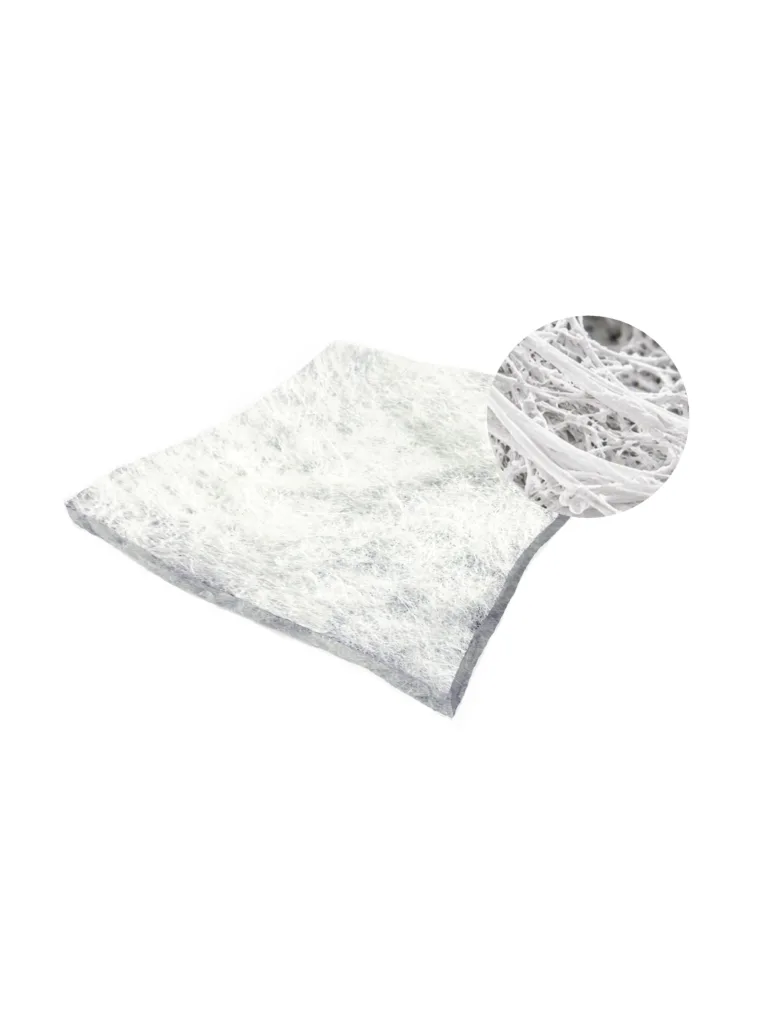
Hyalomatrix is a bilayer wound dressing built around a biodegradable derivative of hyaluronic acid and a protective silicone membrane. The material is designed to provide a temporary framework that supports cellular ingrowth while helping maintain an appropriate wound environment. Its existing United States regulatory history includes FDA 510(k) clearance for the management of multiple acute and chronic wound types, including diabetic ulcers, pressure ulcers, burns, surgical wounds and traumatic tissue injuries.
The announcement represents a commercial distribution and market-access development rather than a new device approval. EmeraNova has not disclosed an acquisition of Hyalomatrix, ownership of its underlying intellectual property or a new FDA clearance associated with the October agreement. Instead, the collaboration with Halo Biosystems is intended to increase clinical availability and awareness of an existing technology through EmeraNova’s national commercialization network.
The agreement follows BioLab Holdings’ October 15 rebranding as EmeraNova, which reflects a wider strategy to build a platform spanning multiple stages of tissue restoration. The company is seeking to move beyond its historical focus on amniotic membrane products by adding complementary technologies addressing wound assessment, preparation and repair. Its commercial success will depend on whether the expanded portfolio improves clinicians’ access to appropriate products while demonstrating value in different care environments.
How does Hyalomatrix use hyaluronic acid to support wound healing?
Hyaluronic acid is a naturally occurring component of the extracellular matrix, the network of molecules surrounding cells within tissues. It contributes to hydration, cell movement and biological processes involved in tissue repair. Its physical and chemical characteristics have made it useful in several medical applications, including ophthalmology, orthopedic treatment and wound management.
Hyalomatrix uses a processed form of hyaluronic acid known as HYAFF 11, a benzyl ester derivative designed to form a biodegradable scaffold. The material creates a temporary structure that can support cellular migration and the development of new tissue within an appropriately prepared wound bed. This provides a different approach from dressings intended primarily to absorb drainage or cover superficial injuries.
The device also includes a semipermeable silicone membrane. That external layer helps control moisture loss and serves as a temporary protective covering while the underlying wound progresses through healing. The combination is intended to balance protection with the biological requirements of tissue regeneration.
However, providing a scaffold does not guarantee that every wound will close or that new tissue formation will proceed at the same rate in all patients. Healing depends on blood supply, wound depth, infection control, nutrition and the patient’s overall medical condition. The matrix is designed to support wound management within appropriate clinical care rather than eliminate the underlying causes of delayed healing.
Hyalomatrix may also be used in staged treatment approaches where clinicians prepare a wound before considering further reconstructive procedures. The appropriate treatment strategy depends on the wound and the device’s specific instructions for use.
What does the FDA’s existing Hyalomatrix clearance establish?
The United States FDA’s public device records identify Hyalomatrix under 510(k) clearance K073251, with a substantial equivalence decision issued in December 2007. The record describes a sterile, flexible bilayer wound dressing made from a hyaluronic acid-derived scaffold and semipermeable silicone membrane. Its authorized use includes management of several acute and chronic wound categories.
These applications include partial- and full-thickness wounds, second-degree burns, pressure ulcers, venous ulcers, diabetic ulcers and other chronic vascular ulcers. The device also has indications involving surgical wounds, donor and graft sites, wound dehiscence, trauma wounds and certain draining or tunneled wounds. It is intended for single use.
The regulatory distinction is important because 510(k) clearance establishes substantial equivalence under the applicable medical device framework. It does not necessarily demonstrate superiority over other wound dressings or guarantee successful healing in a particular patient. The clinical evidence supporting adoption must therefore be assessed separately from the existence of regulatory clearance.
The 2026 EmeraNova announcement does not identify a newly cleared version of Hyalomatrix or a changed indication. Its significance lies in commercial access to an established product rather than the completion of a new regulatory review.
The historical clearance also should not be confused with regulatory authorization for all possible tissue restoration applications. Use in additional anatomical sites or for purposes outside the authorized labeling would require an appropriate regulatory and clinical basis.
Which wound types could benefit from a hyaluronic acid-based matrix?
Hyalomatrix is intended for use across several categories where the normal wound-healing process may require additional support. These include surgical wounds and traumatic injuries involving tissue loss, as well as chronic wounds affected by impaired circulation, pressure or metabolic disease. The diversity of its indications is central to EmeraNova’s interest in expanding access across different medical specialties.
Diabetic foot ulcers are a particularly important clinical setting because patients may experience peripheral neuropathy, reduced blood supply and impaired tissue repair. Successful management often requires pressure offloading, infection control, vascular assessment and careful wound preparation. A regenerative matrix may form part of the treatment strategy, but it cannot replace those essential interventions.
Pressure ulcers involve tissue damage associated with sustained pressure or shear forces. Patients may require repositioning, appropriate support surfaces and management of underlying medical conditions. Matrix-based dressings can be considered in selected wounds, although their value depends on the extent of injury and quality of surrounding tissue.
Surgical and traumatic wounds present another opportunity. When tissue loss is substantial, clinicians may need a temporary protective layer and an underlying framework that supports subsequent repair. The use of hyaluronic acid-based materials has therefore been investigated in burns, reconstructive procedures and complex wounds.
However, the presence of multiple authorized wound categories does not establish identical clinical effectiveness in each one. Differences in wound cause, location, severity and treatment history can substantially affect outcomes. Product selection remains a clinical decision based on individual patient needs and the supporting evidence.
What published clinical evidence supports Hyalomatrix?
Hyalomatrix has been investigated in wound reconstruction research over several years. Its use has been described in studies and reviews involving burns, chronic wounds and complex tissue injuries. In the October announcement, Halo Biosystems stated that the technology is supported by 22 peer-reviewed publications, reflecting an established research history rather than an entirely new product concept.
Published research describes Hyalomatrix as a bilayer system consisting of a hyaluronic acid-derived matrix beneath a silicone barrier. Studies have examined its ability to support preparation of the wound bed and development of tissue suitable for subsequent healing or reconstruction. This provides a scientific foundation for clinical use in selected circumstances.
However, the reported publication count does not reveal how many studies were randomized, how many participants were evaluated or which wound indications received the strongest evidence. Individual reports may involve relatively small patient populations or retrospective clinical experience. Publication volume alone therefore cannot establish superiority over alternative dressings.
A particularly important distinction concerns research involving other HYAFF-based technologies. Some randomized studies have evaluated autologous tissue-engineered grafts produced using hyaluronic acid-derived scaffolds rather than Hyalomatrix itself. Although these investigations are relevant to the wider material platform, their healing rates should not be attributed directly to Hyalomatrix without confirming that the same finished product was studied.
For clinicians, the most useful evidence will depend on the exact application. A dressing used in a partial-thickness burn may be evaluated against different outcomes and comparators than one used for a diabetic foot ulcer. Healing time, wound closure, complications, treatment burden and additional procedures all contribute to the assessment.
EmeraNova’s commercialization programme will need to communicate these distinctions clearly as the product reaches more clinical settings.
Why is the collaboration with Halo Biosystems commercially significant?
EmeraNova’s agreement involves Halo Biosystems, whose chief executive, Andrew Dunn, described Hyalomatrix as a technology with an established clinical evidence base. The collaboration is intended to expand awareness and access through EmeraNova’s national commercialization network. The parties have not disclosed the financial value, payment structure or detailed territorial exclusivity terms of the arrangement.
The structure appears designed to connect an established product with a broader sales and clinical engagement platform. Halo Biosystems contributes the Hyalomatrix product relationship and associated technological knowledge, while EmeraNova provides commercialization capabilities and access to its existing wound care customers.
This approach differs from acquiring a manufacturer outright or conducting an internal development programme for an entirely new device. It may allow EmeraNova to expand its portfolio without assuming every research and manufacturing responsibility associated with the original technology. However, the announcement does not establish which party bears specific inventory, manufacturing or regulatory obligations.
The collaboration may also reduce the time required to introduce the product into additional care environments compared with developing a new material from the beginning. Hyalomatrix already has a United States regulatory history and published clinical experience. Nevertheless, wider adoption still depends on product availability, clinician confidence and the economics of treatment.
No revenue forecast or sales volume target was provided. As a result, the agreement’s financial contribution cannot be quantified from the October disclosure.
How does Hyalomatrix fit into EmeraNova’s new tissue restoration strategy?
BioLab Holdings announced its rebranding as EmeraNova on October 15, one day before revealing the Hyalomatrix collaboration. The new identity reflects an effort to position the company across the wider tissue restoration process rather than focus exclusively on chronic wound products. Its stated ambition includes supporting care from initial assessment through tissue preparation, regeneration and subsequent monitoring.
The company has organized its platform around eight functional areas: assessment and differentiation, diagnosis, debridement, control, preparation, restoration and regeneration, reassessment, and tissue remodeling. This framework is intended to accommodate products with different roles within the patient pathway. It does not mean that every component has been clinically validated as part of one integrated treatment protocol.
The broader portfolio includes existing amniotic membrane products and recently announced technology collaborations. In August 2026, BioLab Holdings added FastSkin, an autologous wound care technology, to its commercial offering. It has also partnered with Sweet Bio to support adoption of APIS bioengineered wound products.
The company separately announced a collaboration with Kent Imaging on October 16 to expand access to technologies that assess tissue oxygenation and bacterial burden. These diagnostic capabilities may complement therapeutic products by helping clinicians understand wound conditions before selecting an intervention. However, no completed study has established that combining all of these products within one treatment pathway improves outcomes compared with standard care.
Hyalomatrix fills a different part of the proposed platform by providing an advanced wound matrix. Its addition strengthens product breadth, but the commercial benefit will depend on whether clinicians find the expanded selection practical and appropriately supported.
Why is EmeraNova targeting hospitals and outpatient care settings?
EmeraNova intends to expand Hyalomatrix access across hospitals, ambulatory surgery centers, outpatient wound care facilities and mobile treatment services. These settings treat different wound populations and operate under different financial and clinical workflows. A product already used in one setting may require additional training and operational support before it can be adopted more widely.
Hospital-based wound management can involve complex traumatic injuries, postoperative complications and patients with multiple medical conditions. Ambulatory surgery centers may treat selected surgical wounds and reconstructive cases, while outpatient clinics often manage chronic ulcers requiring repeated assessment. These differences influence product selection, application frequency and follow-up requirements.
Mobile wound care services present another operational model by bringing treatment to patients who may have difficulty attending conventional clinics. Such services may need products that can be stored, transported and applied reliably in varied environments. However, product suitability must be determined by its labeling and practical handling requirements rather than the convenience of a particular care setting.
Reimbursement represents a further challenge because payment policies for wound management products can differ by location and service. A matrix with a substantial clinical evidence base may still face adoption barriers if its cost or reimbursement structure does not align with the treatment setting. The companies have not disclosed product pricing or payer coverage changes associated with the agreement.
Successful commercial expansion will therefore require more than increasing the number of sales representatives. Training, evidence communication, appropriate utilization and reliable supply will be important to establishing repeat use.
What quality and regulatory responsibilities remain important during portfolio expansion?
EmeraNova’s underlying operations include BLS Labs and BLS Sales & Marketing, which the company says are accredited by the Association for Advancing Tissue and Biologics. The accreditation supports its broader commitment to quality and operational processes involving relevant tissue-related activities. However, this organizational status should not be confused with FDA clearance or a specific certification of Hyalomatrix.
Hyalomatrix has its own medical device regulatory history, labeling and manufacturing requirements. Product quality depends on appropriate production controls, sterilization, packaging integrity and distribution. These responsibilities remain important even when commercialization occurs through a new partner.
The distinction matters because EmeraNova is assembling products with potentially different technologies and regulatory classifications. Human tissue products, synthetic or modified biopolymer matrices, diagnostic devices and other wound care technologies can be subject to different requirements. A single corporate platform does not make the products interchangeable under regulatory law.
Clinical training will also be necessary when products have different handling and application techniques. Hyalomatrix’s bilayer design, with a biodegradable wound-contact scaffold and silicone covering, differs from the characteristics of amniotic membrane products and other wound dressings. Proper use must follow the applicable product instructions.
As the company expands, the ability to maintain product-specific compliance and evidence standards will become an important operational test.
What will determine whether the Hyalomatrix collaboration produces measurable value?
The first measure will be actual commercial expansion into the care environments targeted by EmeraNova. The company has identified hospitals, outpatient wound centers, ambulatory surgery centers and mobile care services as opportunities, but it has not disclosed new customer contracts, distribution volumes or expected sales attributable to Hyalomatrix.
Clinical adoption will depend partly on whether the product addresses needs that are not already met adequately by available treatments. The company’s wider portfolio offers multiple wound management options, but clinicians must understand when a hyaluronic acid matrix is preferable to other dressings or tissue products. Evidence comparing treatment outcomes and resource use will be important.
The collaboration could also support a broader shift toward comprehensive wound care services. By combining wound assessment technologies with products for preparation and tissue restoration, EmeraNova may be able to engage providers across more stages of treatment. However, the effectiveness of this integrated commercial strategy has not yet been demonstrated through published comparative outcomes.
Another important indicator will be whether Halo Biosystems and EmeraNova provide updated clinical evidence across the targeted wound categories. Historical research supports the product’s scientific foundation, but contemporary studies may help clarify its role within current treatment standards and reimbursement environments.
The October 2026 agreement gives EmeraNova access to an established wound dressing as it builds a broader tissue restoration business following its corporate rebranding. Hyalomatrix offers a recognizable hyaluronic acid-based scaffold technology with an existing regulatory and clinical history, making the transaction different from an early-stage experimental device launch.
Its long-term significance will depend on wider clinical access, appropriate product selection and measurable benefits in wound management. The announced partnership establishes a commercial route for expanding availability, but it does not independently demonstrate faster healing, superiority over competing matrices or a new regulatory authorization. Those distinctions will remain important as EmeraNova develops its multi-technology tissue restoration platform.