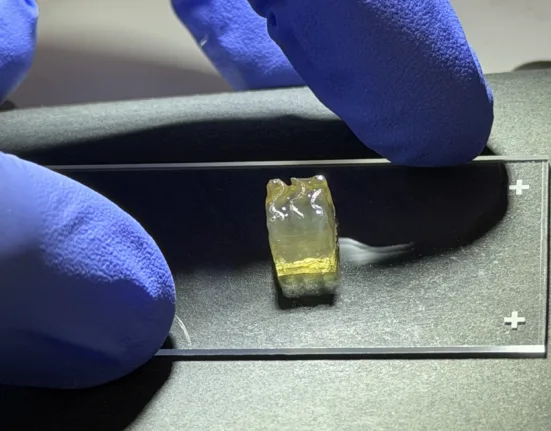
NewcelX Ltd. has announced the publication of its international DOXA compound patent in China, further securing intellectual property protection for its cross-domain pipeline in neurology and metabolic diseases. The patent application covers a new class of small molecules derived from quinazoline, benzothiazine, and benzoxazine scaffolds. These compounds are designed to modulate orexin signaling, neuroinflammation, and sleep-wake regulation pathways. The development forms part of NewcelX’s broader strategy to integrate small molecule innovation with its regenerative medicine and cell therapy platforms.
The Chinese publication of the patent follows previous filings in Europe and through the Patent Cooperation Treaty. The patent is expected to lay the foundation for additional filings in Hong Kong and other Asia-Pacific markets. The disclosed compounds have been positioned as potential therapeutic candidates across several indications including narcolepsy, amyotrophic lateral sclerosis, and insulin-dependent diabetes.
Why the Chinese patent publication expands more than just legal coverage
While the announcement is structurally about intellectual property, the implications extend into pipeline positioning and regional prioritization. By publishing the patent in China at this early stage, NewcelX signals that it is preparing not only for broader market protection but also for possible development activities in the Asia-Pacific region. China’s growing biopharmaceutical infrastructure, patient pool for CNS and metabolic diseases, and increasingly harmonized regulatory systems have made it an essential component of long-term therapeutic strategies.

Patent publication in China also enables NewcelX to establish priority in a market where orexin signaling is gaining attention as a therapeutic target for disorders such as insomnia, narcolepsy, and neurodegeneration with metabolic overlap. The DOXA compounds’ dual relevance to both central nervous system dysfunction and metabolic dysregulation could place NewcelX in a differentiated position compared to firms focusing on single-pathway antagonists or mono-target sleep agents.
What the DOXA series represents for future orexin-targeted drug development
For clinicians and researchers tracking the orexin landscape, the DOXA series appears to represent a strategic expansion beyond current dual orexin receptor antagonists such as daridorexant or lemborexant. While those therapies offer proven efficacy in insomnia, they remain relatively narrow in mechanism. In contrast, NewcelX’s patent suggests that the DOXA family is designed to modulate broader cellular pathways implicated in neuronal resilience, oxidative stress, and neuroimmune signaling.
This could open opportunities not only in narcolepsy and related sleep disorders, but also in neurodegenerative conditions such as Parkinson’s disease and frontotemporal dementia, where sleep and metabolic dysfunction frequently overlap. However, the absence of disclosed pharmacokinetic or in vivo efficacy data means the DOXA program remains at a conceptual or preclinical stage. Until such data is publicly shared or advanced through IND-enabling studies, it is difficult to assess clinical readiness or regulatory path feasibility.
How DOXA could complement NewcelX’s regenerative platform in diabetes
The most strategic aspect of the DOXA platform may not lie solely in its neurology applications. NewcelX’s parallel investment in IsletRx, its stem-cell–derived pancreatic islet cell therapy for Type 1 diabetes, hints at a potential pairing of small molecules with regenerative therapies. This approach, if realized, could reflect a growing trend toward systems-level interventions in chronic diseases that have both neurological and metabolic components.
Scientific literature has increasingly shown that orexin signaling plays a role in regulating insulin sensitivity, appetite, and mitochondrial energy balance. If DOXA compounds can modulate these processes without inducing adverse central effects, they could be used adjunctively to stabilize metabolic environments before or after islet transplantation. Such a combination might reduce graft rejection risk, enhance beta-cell survival, or simply improve overall glycemic outcomes in complex patients.
Still, integration of small molecules with cellular therapies is a complex regulatory proposition. It would require agencies such as the United States Food and Drug Administration or the European Medicines Agency to evaluate combination products that span both drug and biologic classifications. Trial design, dosing schedules, and safety endpoints would all require customization. Reimbursement for such hybrid therapies would also pose challenges unless substantial clinical benefit is demonstrated over existing monotherapies.
Why early IP layering suggests a global defensive and offensive strategy
The structuring of the patent’s lifecycle, from European priority filings to Chinese publication, reflects a deliberate approach to international IP layering. This is typical of emerging biotechnology companies looking to secure primary compound series before licensing, trial planning, or partner discussions begin. Industry IP watchers note that the inclusion of Hong Kong as a potential follow-on jurisdiction suggests NewcelX is also thinking ahead about legal defensibility in a region known for commercial licensing deals and contract manufacturing partnerships.
Furthermore, the scope of the DOXA filing appears broad, covering multiple heterocyclic scaffolds and overlapping indications. This could offer NewcelX negotiating power should other companies develop orexin- or metabolism-modulating agents that tread on similar chemical space. However, the breadth of the claims could also be scrutinized by patent examiners for insufficient enablement, especially if experimental data has not been submitted alongside the structural claims.
Companies pursuing orexin-related patents must also be aware of existing patent estates held by larger pharmaceutical firms in both the United States and Asia. Regulatory watchers suggest that as more neuro-metabolic crossovers emerge in clinical pipelines, freedom to operate analyses will become increasingly necessary to avoid litigation or future royalty obligations.
What clinicians and researchers will be watching as DOXA advances
From a translational standpoint, much depends on how the DOXA program progresses into animal models and eventually human trials. Key unanswered questions include the precise mechanism of action at the molecular level, blood-brain barrier penetration characteristics, and long-term metabolic safety. The therapeutic potential across multiple CNS indications hinges not only on target modulation but on drug-like properties such as oral bioavailability, half-life, and tolerability.
Clinicians in sleep medicine, neurology, and endocrinology may be especially interested in whether these compounds can deliver combined neuroprotective and metabolic benefits without cognitive impairment or rebound effects. That bar has been historically difficult to meet for agents modulating orexin, dopamine, or histamine systems.
The design of future trials will also be closely watched. Should NewcelX choose to prioritize narcolepsy, it will face a relatively crowded regulatory pathway, with several approved agents and pipeline entrants in both the United States and Japan. If it selects a more exploratory path such as metabolic-cognitive disorders or ALS-related fatigue, it may enjoy scientific first-mover advantage but face higher clinical development risk.
Why the convergence of CNS and metabolic disease is gaining traction
NewcelX is not the only company recognizing the emerging overlap between central nervous system disorders and metabolic disease. Large pharmaceutical companies are increasingly investing in assets that span both domains. The link between hypothalamic signaling, sleep architecture, neurodegeneration, and insulin resistance is supported by growing preclinical and real-world evidence. This has prompted renewed interest in therapies that move beyond the monoamine hypothesis and embrace multi-systemic mechanisms.
What differentiates NewcelX’s approach is its attempt to tie small-molecule innovation to a regenerative therapy pipeline, creating potential synergy between pharmacological and cellular approaches. If successful, this could offer a new model for treating diseases where both functional correction and structural repair are required. However, this convergence model is still rare and largely untested in the clinic.