Cepheid has received World Health Organization Emergency Use Listing for its Xpert Hemorrhagic Fever Panel to support diagnosis during the Ebola Bundibugyo outbreak in the Democratic Republic of the Congo. The molecular test detects Ebola virus, including Zaire, Sudan, Taï Forest and Bundibugyo species without differentiating among them, while also detecting Crimean-Congo hemorrhagic fever virus, Marburg virus and Lassa virus. Results are available in approximately one hour using Cepheid GeneXpert Dx systems, many of which are already deployed across African healthcare and public-health networks.
The regulatory milestone is especially relevant during an outbreak because diagnostics are useful only when they can reach suspected cases quickly enough to influence isolation, contact tracing and treatment. The WHO declared the current Bundibugyo-virus outbreak a Public Health Emergency of International Concern on May 17, 2026. Cepheid had already donated an initial shipment of the hemorrhagic-fever cartridges in June, and the new WHO listing allows wider deployment with health authorities and public-health partners.
What viruses can the Xpert Hemorrhagic Fever Panel detect from one test?
The cartridge is designed to detect nucleic acids associated with several of the world’s most dangerous viral hemorrhagic fevers. Its Ebola component covers Zaire, Sudan, Taï Forest and Bundibugyo viruses, while separate targets cover Marburg virus, Lassa virus and Crimean-Congo hemorrhagic fever virus. The Ebola species are detected as an Ebola signal rather than individually differentiated by the panel.
That multi-pathogen design is valuable because early symptoms such as fever, weakness, gastrointestinal illness and bleeding can overlap between hemorrhagic diseases and other infections. During an outbreak, knowing that a critically ill patient has one of these pathogens can immediately change infection-control procedures. A broad cartridge can also be useful where several dangerous diseases are epidemiologically plausible and clinicians cannot safely wait for sequential testing.
Why does a one-hour molecular result matter in an Ebola outbreak?
Traditional centralized testing can lose valuable time through sample transport, batching and laboratory logistics even when the analytical test itself is highly accurate. Every additional hour before confirmation can complicate decisions around patient isolation and exposure management. Cepheid’s assay automates molecular testing within the GeneXpert cartridge and reports results in about one hour.
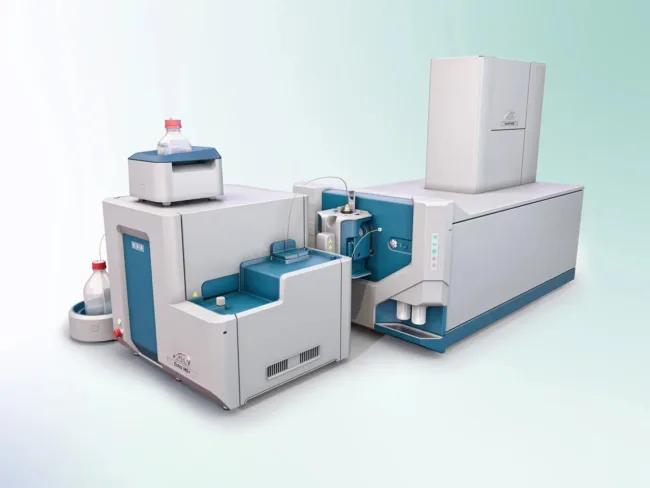
The most important advantage may be installed infrastructure rather than assay speed alone. GeneXpert systems are already widely deployed across Africa for tuberculosis and other molecular diagnostics, meaning health authorities do not necessarily need to install an entirely new testing architecture before using the hemorrhagic-fever panel. Existing equipment, trained laboratory personnel and service networks can shorten the path from regulatory listing to practical outbreak use.
What exactly does WHO Emergency Use Listing mean?
Emergency Use Listing is a mechanism the WHO can use to assess unlicensed or not yet routinely available medical products needed during public-health emergencies. The process evaluates available quality, safety and performance evidence so international agencies and affected countries can make faster procurement and deployment decisions when waiting for conventional regulatory timelines could harm outbreak control.
The listing should not be described as universal full regulatory approval in every country. Cepheid itself notes that the in-vitro diagnostic is not available in all countries, and national requirements can still apply. Its practical significance is that the WHO has reviewed the evidence sufficiently to support emergency use within the current response context.
Has Cepheid used GeneXpert technology during previous Ebola outbreaks?
Yes. During the 2014-2016 West African Ebola outbreak, Cepheid’s earlier Xpert Ebola test received U.S. FDA Emergency Use Authorization and was deployed to expand access to rapid molecular testing. That experience gave the company both technical familiarity with Ebola assay development and operational experience deploying cartridge-based PCR technology during a major international outbreak.
The new panel broadens the concept beyond a single Ebola assay by combining several hemorrhagic-fever targets within one cartridge. It was also FDA 510(k) cleared for use by the U.S. Department of Defense and forms part of the Department of Defense Next Generation Diagnostics System 2 program. Those earlier regulatory and procurement milestones provided an evidence foundation before the current WHO emergency listing.
Why does decentralized PCR testing matter for outbreak containment?
Highly centralized reference laboratories can deliver excellent analytical quality, but outbreak geography frequently works against centralized models. Suspected cases may arise far from major cities, transportation can be disrupted and infection-control requirements make specimen movement complicated. A cartridge system positioned closer to affected communities can reduce the physical distance between patient and molecular confirmation.
Decentralization does not mean testing can be performed casually. Hemorrhagic-fever specimens require appropriate biosafety, trained personnel, quality-control procedures and linkage with public-health authorities. The value of the GeneXpert footprint is that many sites already operate within structured diagnostic networks rather than needing an improvised testing system created from scratch.
Could the same panel be useful outside the current DRC outbreak?
Potentially, because the assay includes several hemorrhagic-fever viruses with different geographic patterns. Marburg outbreaks have occurred in multiple African countries, Lassa fever remains endemic in parts of West Africa and Crimean-Congo hemorrhagic fever has a broad geographic distribution extending beyond Africa. A multi-pathogen platform could therefore become useful within preparedness stockpiles and regional surveillance systems even when Ebola is not the immediate concern.
Availability will depend on country-specific regulatory authorization, procurement and public-health strategy. The current WHO listing is tied specifically to emergency-response needs, but the underlying technology illustrates how outbreak diagnostics are evolving toward multiplex molecular platforms capable of remaining useful across different infectious threats.
What should public-health agencies watch next?
Deployment scale and real-world diagnostic performance during the DRC response will be the most important near-term indicators. A laboratory test can perform well in validation but still face operational limitations involving cartridge supply, instrument maintenance, staffing, sample transportation and biosafety. Cepheid’s installed system base reduces some of those barriers but cannot eliminate them.
The larger lesson is that pandemic and outbreak preparedness increasingly depends on platforms already present before a crisis begins. The Xpert Hemorrhagic Fever Panel did not arrive with a new proprietary analyzer that affected countries must first purchase and install. It arrives as a cartridge capable of using a molecular-testing network that already exists, which may ultimately be as important as the one-hour analytical result itself.