Eli Lilly and Company (NYSE: LLY) and Hims & Hers Health, Inc. (NYSE: HIMS) have announced an agreement to make the FDA-approved obesity medicines Zepbound (tirzepatide) and Foundayo (orforglipron) available through the Hims & Hers telehealth platform. Announced on 6 November 2026, the arrangement allows eligible patients to complete a clinical consultation, obtain a prescription when medically appropriate and arrange home delivery without leaving the digital health platform, with advertised self-pay prices starting at US$149 per month for Foundayo and US$299 for Zepbound.
The agreement expands Eli Lilly’s direct-to-patient distribution strategy while strengthening Hims & Hers’ position as a digital access point for branded obesity medicines. Rather than establishing a new treatment indication or introducing a reduced price exclusive to the platform, the arrangement integrates existing FDA-approved medicines and established self-pay pricing into a single consumer experience.
The commercial significance lies in how patients enter, navigate and remain within obesity treatment programmes. As pharmaceutical companies compete to capture demand for both injectable and oral weight-management medicines, partnerships with telehealth providers increasingly influence prescription access, customer acquisition and ongoing care.
How will the Eli Lilly and Hims & Hers agreement change access to FDA-approved obesity medicines?
The agreement creates a more integrated route for patients seeking prescribed treatment with Eli Lilly’s obesity medicines. Eligible Hims & Hers users can consult a licensed healthcare provider, receive a prescription where clinically appropriate and arrange delivery of the selected medicine through the platform.
Previously, patients seeking Lilly medicines through Hims & Hers generally had to complete the purchase through Lilly’s separate LillyDirect self-pay channel. Integrating the transaction reduces the need to move between platforms and potentially removes friction from the prescription fulfilment process.
That operational change may improve the experience for patients who prefer digital consultations and home delivery. However, convenience alone does not establish that more patients will initiate treatment, remain adherent or achieve better clinical outcomes.
Eli Lilly is positioning the agreement as an extension of its efforts to make approved treatments easier to obtain. Ilya Yuffa, executive vice-president and president of Lilly USA and Global Customer Capabilities, indicated that the company sees digital platforms as an important way to reach patients already seeking healthcare services online.
For Hims & Hers, the partnership adds a more direct route to obtaining established branded medicines within its existing weight-management offering. Co-founder and chief executive Andrew Dudum described the collaboration as an opportunity to combine pharmaceutical innovation with the company’s digital care infrastructure.
The companies have also emphasised that independent clinical decision-making will be preserved. Providers on Hims & Hers will continue to determine which treatment is appropriate for individual patients rather than being required to prescribe a particular manufacturer’s medicine.
This distinction is important because obesity pharmacotherapy involves multiple treatment choices, eligibility criteria and safety considerations. A digital platform can simplify access without replacing the clinical assessment needed to determine whether a patient should receive a prescription.
Why are Foundayo and Zepbound strategically important to Eli Lilly’s digital obesity treatment strategy?
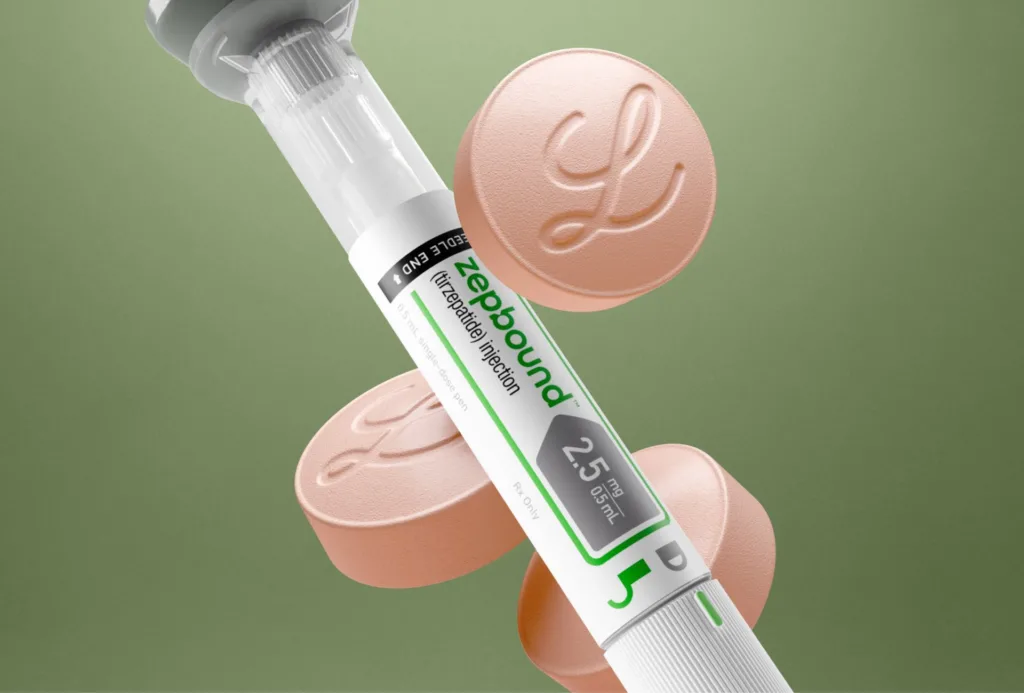
The partnership covers two different pharmaceutical approaches to chronic weight management. Zepbound contains tirzepatide, a dual glucose-dependent insulinotropic polypeptide and glucagon-like peptide-1 receptor agonist administered by subcutaneous injection.
Foundayo contains orforglipron, an oral GLP-1 receptor agonist approved by the FDA in April 2026. It offers a once-daily tablet option for patients who meet its approved treatment criteria, giving Eli Lilly a branded oral medicine alongside its established injectable franchise.
Both medicines are authorised for long-term weight management in adults with obesity or adults with overweight and at least one weight-related comorbid condition, in combination with reduced-calorie diet and increased physical activity. Zepbound also has a separate approved indication for moderate to severe obstructive sleep apnoea in adults with obesity.
The November agreement focuses on expanding access to the medicines through the Hims & Hers weight-management platform. It should not be interpreted as expanding either product’s FDA-approved indications or establishing that the two therapies are clinically interchangeable.
The inclusion of Foundayo is particularly important because oral obesity medicines create a different consumer proposition from injectable treatments. Some patients may prefer tablets because they avoid injections, while others may prioritise efficacy, tolerability, administration frequency or the experience they have with a particular therapy.
Foundayo’s FDA-approved prescribing information permits once-daily administration with or without food. This flexibility may simplify routine administration, although it does not eliminate the need for clinical supervision, gradual dose escalation or monitoring of adverse effects.
From a competitive perspective, the ability to offer both formulations through a single digital interface gives Eli Lilly another channel for reaching patients with different treatment preferences. The company can also potentially capture demand that might otherwise be directed towards competing medicines available through telehealth services.
The commercial outcome will depend on which products providers prescribe, how many eligible patients complete the treatment process and whether users continue therapy over time.
What do the US$149 and US$299 monthly prices actually mean for patients?
The agreement advertises starting self-pay prices of US$149 per month for Foundayo and US$299 per month for Zepbound. Eli Lilly and Hims & Hers said eligible patients would receive the same self-pay prices available through Lilly’s existing access arrangements, rather than a new exclusive discount.
The distinction between starting prices and treatment costs over time is important. Obesity medicines commonly involve dose escalation, and the price paid for a particular month may depend on the prescribed strength, eligibility for savings programmes and applicable terms.
Eli Lilly’s published Foundayo pricing information identifies a regular monthly price of US$149 for the 0.8 mg starting dose, with higher standard prices for subsequent dose strengths. The company also has temporary price reductions affecting selected doses through 31 December 2026, subject to the relevant programme conditions.
For example, the published self-pay schedule provides temporary pricing of US$149 for the 2.5 mg dose and US$199 for the 5.5 mg dose, while higher strengths can involve different prices and additional eligibility requirements. Consequently, the headline US$149 entry point should not be understood as a fixed monthly cost throughout an entire treatment course.
The same principle applies to Zepbound’s US$299 starting price. The total cost of treatment will depend on the prescribed formulation, dose and applicable purchasing arrangements.
The announcement does not establish that every patient will receive treatment at the advertised starting price, nor does it disclose that any additional Hims & Hers membership or healthcare service fees are included in those amounts.
Self-pay access also differs from insurance reimbursement. A medicine being available at a published cash price does not mean a patient’s health plan covers the prescription or that the patient qualifies for a particular manufacturer savings programme.
For the companies, transparent pricing and easier purchasing may support conversion from consultation to prescription fulfilment. Nevertheless, affordability over months or years of treatment will remain a significant determinant of patient retention.
Does the partnership strengthen Hims & Hers against competing digital obesity treatment platforms?
Hims & Hers has built a substantial consumer healthcare business around online consultations, prescriptions and ongoing support services. Its weight-management offering combines clinician access with digital follow-up, nutrition guidance and other elements intended to support patients during treatment.
The company reported approximately 2.9 million subscribers at the end of the second quarter of 2026, representing growth of about 19% from a year earlier. Quarterly revenue reached approximately US$753 million, an increase of 38% year on year.
That established customer base provides a potentially valuable distribution channel for pharmaceutical manufacturers seeking to reach patients who already use telehealth services. However, Hims & Hers’ total subscriber population should not be equated with the number of patients eligible or willing to purchase obesity medicines.
The company has also expanded its branded weight-management offering through arrangements involving Novo Nordisk, whose products include Wegovy and Ozempic. Those relationships place Hims & Hers in a position to provide access to medicines from competing manufacturers.
Adding Eli Lilly’s products broadens the available choices and potentially reduces dependence on one pharmaceutical supplier. It could also increase the platform’s attractiveness to patients seeking treatment without navigating multiple websites or fulfilment systems.
For pharmaceutical manufacturers, participating in a large digital health platform introduces a different competitive dynamic. Product demand depends not only on clinical differentiation and pricing but also on how patients discover treatment options and engage with healthcare providers.
The agreement therefore has implications beyond prescription fulfilment. It may influence customer acquisition costs, the effectiveness of online treatment pathways and the ability of digital health businesses to retain patients requiring ongoing medication.
Nevertheless, the partners have not disclosed expected prescription volumes, minimum purchasing commitments or projected revenue from the agreement. Its contribution to Hims & Hers’ financial performance cannot be reliably quantified from the announcement alone.
Why does the agreement matter for the transition towards branded obesity medicines?
The obesity treatment market has experienced considerable debate concerning compounded GLP-1 products, access to FDA-approved medicines and the regulatory framework governing copies of commercially available drugs.
Within this context, the Eli Lilly agreement includes an explicit commitment from Hims & Hers concerning Lilly’s medicines. The companies said Hims & Hers had not previously offered compounded copies of Lilly’s GLP-1 products and had committed not to do so in the future.
This statement should not be interpreted as confirmation that Hims & Hers never offered other compounded weight-management medicines. The commitment specifically concerns copies of Eli Lilly’s products.
The arrangement reinforces a broader shift towards direct relationships between pharmaceutical manufacturers and digital healthcare platforms. Such partnerships can provide manufacturers with greater control over authentic product distribution while giving telehealth companies access to established, FDA-approved treatment options.
Compounded medicines occupy a different regulatory category from FDA-approved branded products. They may be prepared under applicable legal conditions, but compounded drugs do not undergo the same FDA premarket approval process for safety, effectiveness and manufacturing quality as approved medicines.
For a telehealth provider, integrating branded products may reduce some of the regulatory and supply uncertainties associated with relying heavily on compounded alternatives. However, branded medicines can introduce different commercial pressures, including manufacturer-controlled pricing, narrower margins and competition among distribution partners.
The agreement also preserves independent prescribing decisions, a commercially and clinically important provision. A manufacturer partnership should not be understood as directing clinicians to favour a specific medicine irrespective of a patient’s health status, contraindications or treatment preferences.
Hims & Hers will need to demonstrate that its model can support access to branded therapies while maintaining appropriate clinical governance and an economically sustainable consumer offering.
What clinical safety requirements remain important when obesity treatment moves online?
Both Zepbound and Foundayo are prescription medicines with established FDA labelling, including safety warnings, contraindications and monitoring considerations. Their availability through a digital platform does not change the clinical requirements associated with treatment.
Both products carry boxed warnings concerning the risk of thyroid C-cell tumours and are contraindicated in patients with a personal or family history of medullary thyroid carcinoma or multiple endocrine neoplasia syndrome type 2. Their prescribing information also identifies important risks, including gastrointestinal adverse reactions and other treatment-specific precautions.
For Foundayo, the prescribing information includes warnings relating to pancreatitis, acute kidney injury associated with volume depletion, hypoglycaemia in relevant treatment settings and other potential adverse reactions. Zepbound similarly requires attention to tolerability, dose escalation and medical conditions that may affect treatment suitability.
Digital prescribing systems must therefore support appropriate patient history assessment, recognition of contraindications and follow-up when adverse effects occur. This becomes particularly important when patients are using a medicine over an extended period and may require treatment adjustments.
Hims & Hers said its weight-management programme includes ongoing access to a care team, regular clinical check-ins and nutritional support. These features may help support continuity of care, although the announcement does not present new clinical evidence showing that the partnership improves adherence, safety or long-term outcomes.
The clinical distinction is between providing a convenient route to an approved medicine and demonstrating that the route itself produces better healthcare results. The latter would require appropriate outcome data, including evidence concerning patient retention, monitoring, adverse events and treatment effectiveness.
For Eli Lilly, maintaining appropriate prescribing and patient support across digital channels will be important as access expands beyond conventional healthcare settings. For Hims & Hers, clinical quality and regulatory compliance will remain central to the sustainability of its branded medicine partnerships.
How significant is the agreement for Eli Lilly’s US$24.4 billion quarterly business?
Eli Lilly entered the November partnership after reporting strong third-quarter 2026 financial results. Revenue rose 39% year on year to approximately US$24.4 billion, driven primarily by its Mounjaro and Zepbound franchises.
Zepbound generated approximately US$5.35 billion in third-quarter revenue, an increase of 49% from the corresponding period of 2025. Foundayo, which entered the United States market following its April FDA approval, contributed approximately US$184 million during the quarter.
These figures illustrate the different commercial stages of the two products. Zepbound is already a major revenue contributor, while Foundayo is still establishing its position within the evolving market for oral obesity pharmacotherapy.
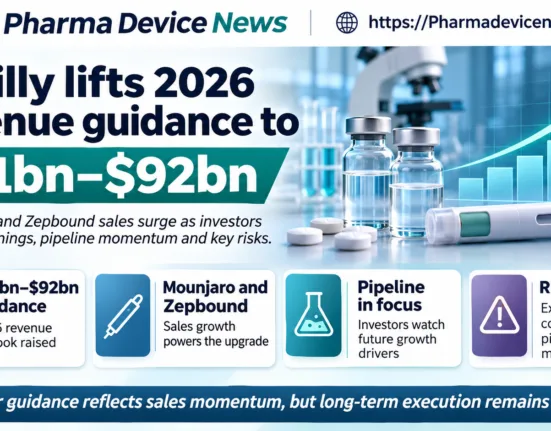
Eli Lilly also raised its full-year 2026 revenue guidance to US$91 billion to US$92 billion, reflecting strong underlying demand across its portfolio. The new Hims & Hers arrangement adds a distribution opportunity, but the announcement does not quantify its expected incremental contribution to that guidance.
For Zepbound, the strategic benefit may come from improving conversion and retention among patients already considering treatment. For Foundayo, distribution through a major telehealth platform could support awareness and access during the early stages of its commercial expansion.
Industry reporting has indicated that self-pay patients account for a substantial portion of Zepbound demand. This reinforces the importance of channels that allow patients to purchase approved medicines directly, particularly when insurance coverage is limited or difficult to navigate.
However, a distribution agreement does not necessarily produce new prescriptions equal to the number of users on a partner platform. Some customers may simply switch purchasing channels, while others may be newly attracted to treatment by a more convenient process.
The distinction between channel migration and genuinely incremental demand will be important when evaluating the commercial effectiveness of the partnership.
Why did Hims & Hers shares react positively to the Eli Lilly announcement?
The agreement arrived after a difficult trading session for Hims & Hers. Its shares closed at US$24.06 on 5 November 2026, down approximately 9.75% for the session, and were trading below their levels at the end of October.
Following the 6 November announcement, Reuters reported that Hims & Hers shares rose more than 7% in premarket trading. The positive reaction coincided with news that the company would offer Lilly’s FDA-approved obesity medicines through a more integrated consumer experience.
The movement suggests that investors may see branded pharmaceutical partnerships as an important component of Hims & Hers’ weight-management strategy. Nevertheless, premarket trading can be volatile and does not establish the final regular-session market response.
Eli Lilly shares had closed at approximately US$1,364.73 on 5 November, declining 3.76% that day. The agreement represents a relatively incremental distribution initiative for the much larger pharmaceutical manufacturer compared with the potential strategic significance for Hims & Hers.
The difference reflects the companies’ respective business models. Eli Lilly generates substantial revenue from pharmaceutical products, while Hims & Hers depends on attracting customers, facilitating healthcare services and retaining subscribers.
For Hims & Hers, improved access to major branded medicines could influence customer acquisition and engagement. However, the financial contribution will depend on commercial arrangements, purchasing behaviour and the balance between revenue growth and the cost of delivering services.
Neither company disclosed the economics of the agreement, including the fees, margins or other consideration associated with prescriptions fulfilled through the platform. Investors therefore cannot determine the precise financial benefit from the announcement alone.
The market reaction is best understood as an expression of expectations concerning strategic positioning, rather than confirmation of future earnings growth.
What will determine whether the Lilly and Hims & Hers partnership creates sustainable commercial value?
The principal commercial test will be whether the integrated treatment pathway increases the proportion of eligible patients who complete consultations, receive appropriate prescriptions and successfully obtain medicines.
For Eli Lilly, the agreement expands the number of pathways through which patients can access Zepbound and Foundayo. Its effectiveness will depend on whether the platform produces incremental demand, encourages treatment continuity or attracts customers who might otherwise select competing products.
For Hims & Hers, the value proposition involves giving users access to a broader choice of established medicines while retaining engagement with its digital healthcare services. Patient acquisition, ongoing clinical support and repeat prescription activity will influence the economics.
Pricing will remain important. Advertised starting self-pay prices may help attract attention, but the cost of continued treatment, changing dose requirements and insurance limitations can affect whether patients remain on therapy.
Clinical governance is equally important. The companies must maintain appropriate prescribing practices and patient support as the platform facilitates access to medicines with specific indications and safety requirements.
The agreement does not introduce a new clinical treatment, expand an FDA-approved indication or demonstrate better patient outcomes. Its significance is instead concentrated in pharmaceutical distribution, telehealth integration and the evolving commercial relationship between drug manufacturers and digital healthcare providers.
For Eli Lilly and Hims & Hers, the next evidence of success will be operational rather than regulatory: whether more eligible patients can obtain appropriate approved treatment through the platform, and whether that convenience produces measurable commercial benefits without compromising independent clinical decision-making.