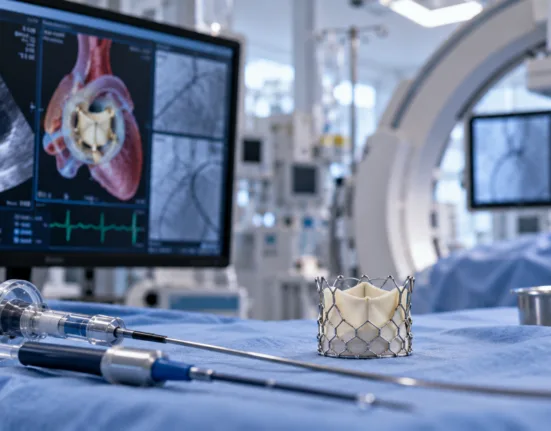
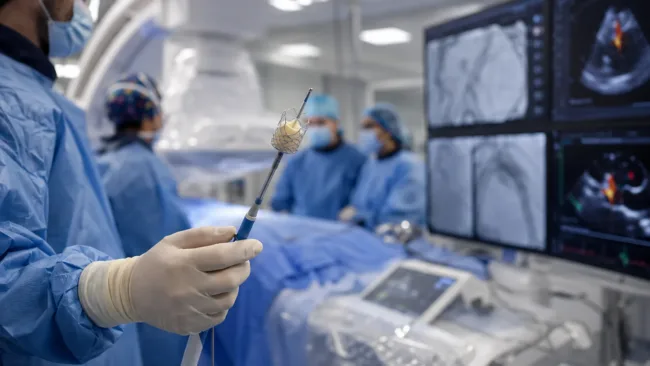
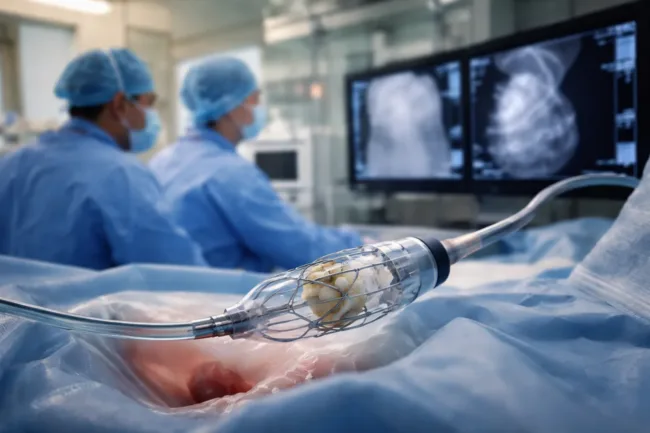
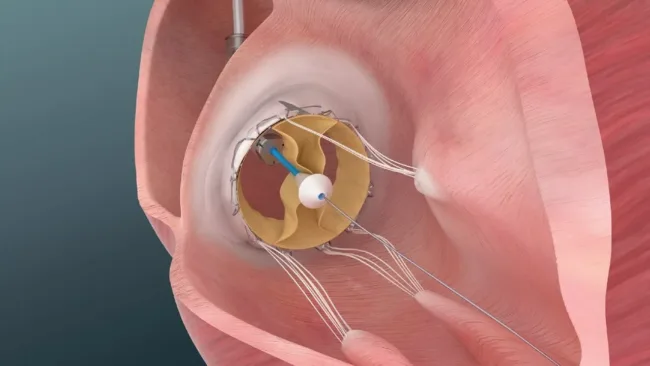
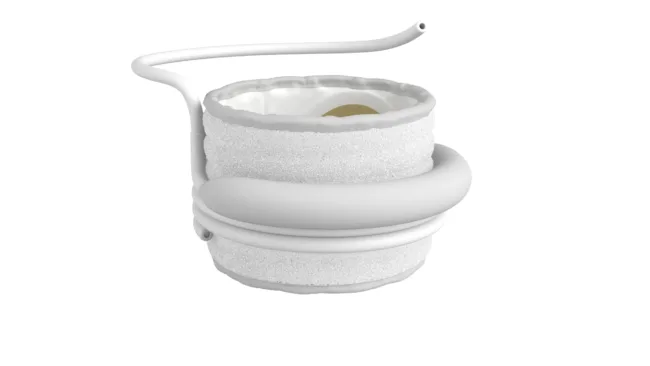
Edwards Lifesciences has reported 10-year results from the COMMENCE aortic trial showing sustained durability and performance for surgical valves using RESILIA tissue in patients undergoing surgical aortic valve replacement. The pivotal data, presented at the 106th American Association for Thoracic Surgery Annual Meeting, add longer-term evidence to the clinical and commercial debate over how biological valves should be evaluated as patients with aortic stenosis are treated earlier and expected to live longer after intervention.
Why the 10-year COMMENCE data matter for biological valve durability in aortic stenosis care
The most important signal in the COMMENCE update is not simply that Edwards Lifesciences has more data. It is that the data arrive at a moment when the structural heart field is increasingly being asked to think beyond procedural success and short-term safety. In aortic stenosis, especially among patients who may be treated earlier in the disease pathway, the central question is shifting toward how long a valve can perform before the patient faces another intervention.
At 10 years, the COMMENCE aortic trial showed 97.9% freedom from structural valve deterioration, 97.8% freedom from reoperation due to structural valve deterioration, and 98.6% freedom from non-structural valve dysfunction excluding paravalvular leak. For a bioprosthetic valve platform, these are commercially meaningful figures because structural valve deterioration is one of the major reasons clinicians remain cautious when selecting tissue valves for younger or more active patients.
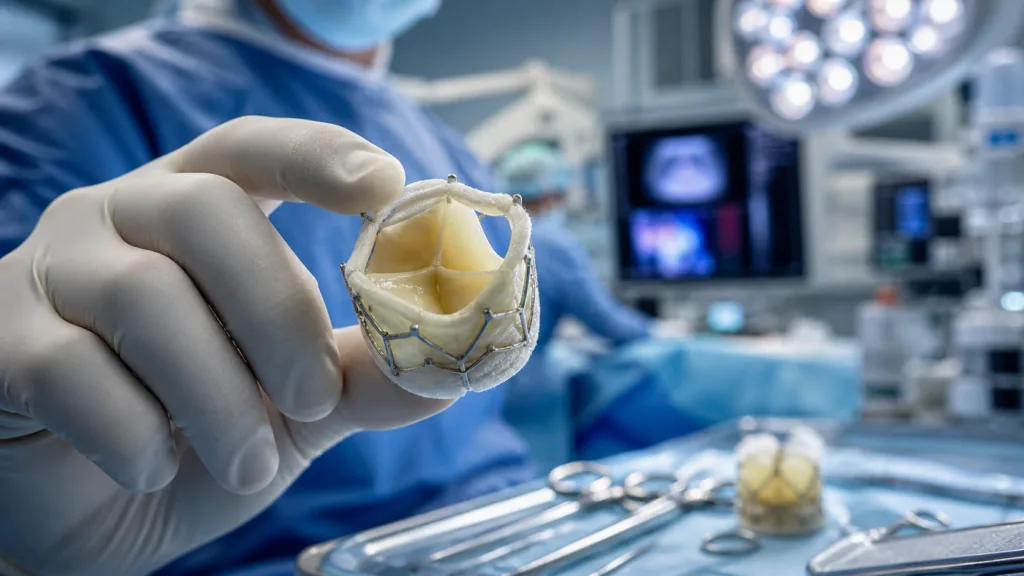
The clinical significance is straightforward but not simple. Biological valves generally avoid the lifelong anticoagulation burden associated with mechanical valves, which can make them attractive to many patients and clinicians. However, their durability has historically been the trade-off. If RESILIA tissue can continue to show low structural valve deterioration rates over extended follow-up, it may strengthen the argument that biological valve technology is becoming more relevant across a broader patient spectrum.
The unresolved question is how far the findings can be extrapolated. The COMMENCE trial provides prospective, multicenter, pivotal evidence, which gives the data weight. However, long-term valve selection still depends on patient age, anatomy, comorbidities, surgical risk, life expectancy, imaging findings, and the feasibility of future interventions. A strong 10-year durability signal does not eliminate the need for individualized heart team decision-making. It simply gives clinicians another evidence layer to work with.
How RESILIA tissue fits into the lifetime management strategy for valve disease
RESILIA tissue was designed to resist calcification, a major biological driver of valve failure over time. That design goal matters because calcification can stiffen valve leaflets, impair hemodynamic performance, and eventually lead to structural valve deterioration. Edwards Lifesciences’ 10-year COMMENCE data therefore go directly to the heart of whether anti-calcification tissue engineering can translate into clinically meaningful durability.
This is where the story becomes strategically important for Edwards Lifesciences. The medical device manufacturer is not only presenting a positive study readout. It is reinforcing a platform narrative around lifetime management in structural heart disease. More than 500,000 patients worldwide have received Edwards surgical and transcatheter innovations featuring RESILIA tissue, giving the technology a large installed clinical footprint. The COMMENCE results help support that footprint with longer-term evidence, particularly in surgical aortic valve replacement.
For clinicians, durability affects how they think about sequencing. A patient receiving a surgical bioprosthetic valve may later require valve-in-valve transcatheter therapy or another intervention. The longer the original valve performs well, the more flexibility clinicians may have in managing that patient over a lifetime. Durable valve performance can also reduce the probability of repeat surgery, which is particularly relevant as life expectancy increases and more patients expect to remain active after treatment.
The limitation is that lifetime management is not only a tissue durability problem. It is also a systems problem. Reintervention feasibility depends on valve size, coronary access, patient anatomy, transcatheter compatibility, and institutional expertise. Even with strong tissue durability, heart teams still need to plan for what happens if a patient outlives the first device. The COMMENCE update strengthens the durability part of the equation, but it does not answer every question in the lifetime-care pathway.
What the COMMENCE trial reveals about evidence standards in structural heart devices
The COMMENCE aortic trial is important partly because of its design. It is described as an FDA-approved, pivotal, prospective, multicenter clinical study evaluating the safety and effectiveness of a bioprosthetic valve using RESILIA tissue in surgical aortic valve replacement, with follow-up through 10 years. In medical devices, especially structural heart technologies, long-term prospective evidence can carry significant weight because device performance evolves with time, patient aging, and biological interaction with implanted materials.
That matters because structural heart innovation has often moved quickly. Transcatheter aortic valve replacement, surgical valve technologies, tissue engineering, and imaging-guided procedural planning have all advanced rapidly. In that environment, long-term data can become a differentiator. Clinicians and regulators do not only want to know whether a valve works at implantation or one year. They want to know whether the performance signal remains stable when the device is exposed to a decade of biological stress.
The COMMENCE data also sit alongside the broader Edwards Lifesciences evidence base, including the PARTNER trial series, which helped shape the clinical understanding of transcatheter and surgical aortic valve replacement outcomes. By linking RESILIA tissue durability to a broader evidence-generation strategy, Edwards Lifesciences is positioning the technology as part of a long-term structural heart platform rather than a single-product feature.
The risk is that evidence expectations will keep rising. As more patients receive valve therapies earlier, and as younger patients become part of the biological valve discussion, 10-year data may eventually become the baseline rather than the finish line. Clinicians may want longer follow-up, real-world registry validation, subpopulation analysis, and comparative outcomes against other bioprosthetic technologies. COMMENCE strengthens the case for RESILIA tissue, but it also raises the bar for continued evidence development.
Why younger and more active patients make valve durability a sharper commercial question
The durability debate becomes more intense when younger patients enter the conversation. Older patients may never outlive their first biological valve. Younger patients are more likely to face structural valve deterioration within their lifetime, making long-term valve performance and reintervention planning far more consequential. That is why the low rate of structural valve deterioration in COMMENCE is likely to attract attention from clinicians tracking the treatment of patients with longer expected survival.
The commercial implications are equally clear. If a biological tissue platform can demonstrate long-term durability in a population that includes patients at historically higher risk of valve deterioration, it may strengthen surgeon confidence and support broader adoption. Valve selection is not a purely technical decision. It also reflects patient preference, lifestyle considerations, anticoagulation tolerance, institutional experience, and long-term care planning. Strong 10-year data can influence that conversation.
For Edwards Lifesciences, RESILIA tissue functions as both a clinical asset and a competitive moat. Structural heart markets are increasingly evidence-driven, and differentiation is not only about delivery systems, valve design, or procedural ease. It is also about whether a company can demonstrate that its technology remains reliable across meaningful follow-up periods. In a market where repeat procedures can create clinical and economic burden, durability can become a purchasing, guideline, and reimbursement consideration.
However, commercial adoption will still depend on how the data are interpreted across different care settings. Academic heart centers may evaluate the results differently from community hospitals. Surgeons may weigh durability against handling characteristics, operative workflow, and prior experience with valve platforms. Payers may focus on downstream cost avoidance, while patients may focus on the possibility of avoiding another major procedure. The data provide a stronger durability argument, but market behavior will depend on how that argument is translated into clinical practice.
How the data could influence the balance between surgical and transcatheter valve strategies
The COMMENCE update focuses on surgical valves featuring RESILIA tissue, but it lands in a broader market shaped by the rise of transcatheter aortic valve replacement. Over the past decade, transcatheter approaches have expanded from high-risk patients into lower-risk populations, changing how clinicians think about timing, access, recovery, and long-term sequencing. Surgical valve durability therefore matters not only within surgery, but also in comparison with the evolving transcatheter landscape.
For surgical aortic valve replacement, durable biological tissue can help preserve the relevance of surgery in patients for whom long-term outcomes, anatomy, or future intervention planning make open surgery a strong option. If a surgical valve can offer stable hemodynamic performance and low structural valve deterioration over 10 years, it may support the argument that surgery remains a powerful option in selected patients, especially where lifetime strategy matters more than short-term recovery alone.
The comparison is not a zero-sum fight between surgery and transcatheter therapy. Increasingly, the field is moving toward sequencing. A patient may receive surgery first and transcatheter therapy later, or vice versa depending on anatomy and clinical need. RESILIA tissue durability may therefore influence how clinicians construct multi-decade treatment plans rather than merely how they choose between two procedures at a single point in time.
The unresolved issue is comparative durability across modalities and patient groups. Transcatheter valve durability data continue to mature, and surgical valve evidence also keeps expanding. Clinicians will watch how RESILIA tissue performs beyond 10 years and whether similar durability signals hold across broader real-world populations. The COMMENCE data strengthen Edwards Lifesciences’ surgical valve story, but the broader field will continue to demand head-to-head context, longer follow-up, and practical guidance for lifetime valve sequencing.
What clinicians, regulators, and industry observers are likely to watch next
The next phase of scrutiny will focus on whether the durability signal remains consistent as follow-up extends further and as real-world experience expands. Structural valve deterioration is a time-dependent endpoint, so additional follow-up can either reinforce the current signal or reveal late changes that were not visible at 10 years. That is why the COMMENCE update is significant, but not the final word.
Clinicians will likely focus on patient-level detail. Aggregate freedom-from-event rates are useful, but treatment decisions often turn on subgroups. Younger patients, patients with smaller annuli, patients with renal disease, and patients with different baseline hemodynamic profiles may experience valve durability differently. The more granular the long-term evidence becomes, the more useful it may be for heart teams making individualized decisions.
Regulatory watchers will also monitor how long-term evidence influences labeling, post-market expectations, and future device evaluations. In structural heart care, regulators increasingly expect robust evidence not only around safety and procedural success, but also around durability and long-term outcomes. The COMMENCE trial’s prospective design and 10-year follow-up strengthen Edwards Lifesciences’ evidence package, but the broader direction of the field points toward continued surveillance and data transparency.
For industry observers, the bigger implication is that durability is becoming a strategic battleground. Structural heart companies are competing not only on innovation speed but also on proof over time. In that environment, Edwards Lifesciences’ RESILIA tissue data give the medical device manufacturer a stronger narrative around biological valve performance, lifetime care, and evidence generation. The remaining question is whether the 10-year signal becomes a decisive differentiator in clinical practice or one strong component in a more complex valve selection framework.
Why the RESILIA update is strategically important but still needs careful interpretation
The COMMENCE 10-year results give Edwards Lifesciences a timely and credible durability message in a market where long-term outcomes are becoming central to device selection. The low reported rates of structural valve deterioration and reoperation due to structural valve deterioration directly address one of the historical concerns around bioprosthetic valve use, especially in patients with longer expected survival.
The data also support a broader shift in structural heart care from procedure-focused decision-making to lifetime management. That shift favors companies able to combine device innovation with long-term evidence. Edwards Lifesciences has spent decades building a structural heart evidence base, and COMMENCE adds another layer to that portfolio at a time when clinicians, regulators, and payers are asking harder questions about durability, reintervention risk, and total episode-of-care value.
Still, the story should not be read as a simple victory lap. Ten-year durability data are important, but they do not remove the need for longer follow-up, real-world validation, subgroup analysis, and continued comparison with alternative valve technologies. For heart teams, RESILIA tissue now has a stronger evidence-backed durability case. For Edwards Lifesciences, the challenge is to convert that evidence into sustained clinical confidence across increasingly complex treatment pathways.