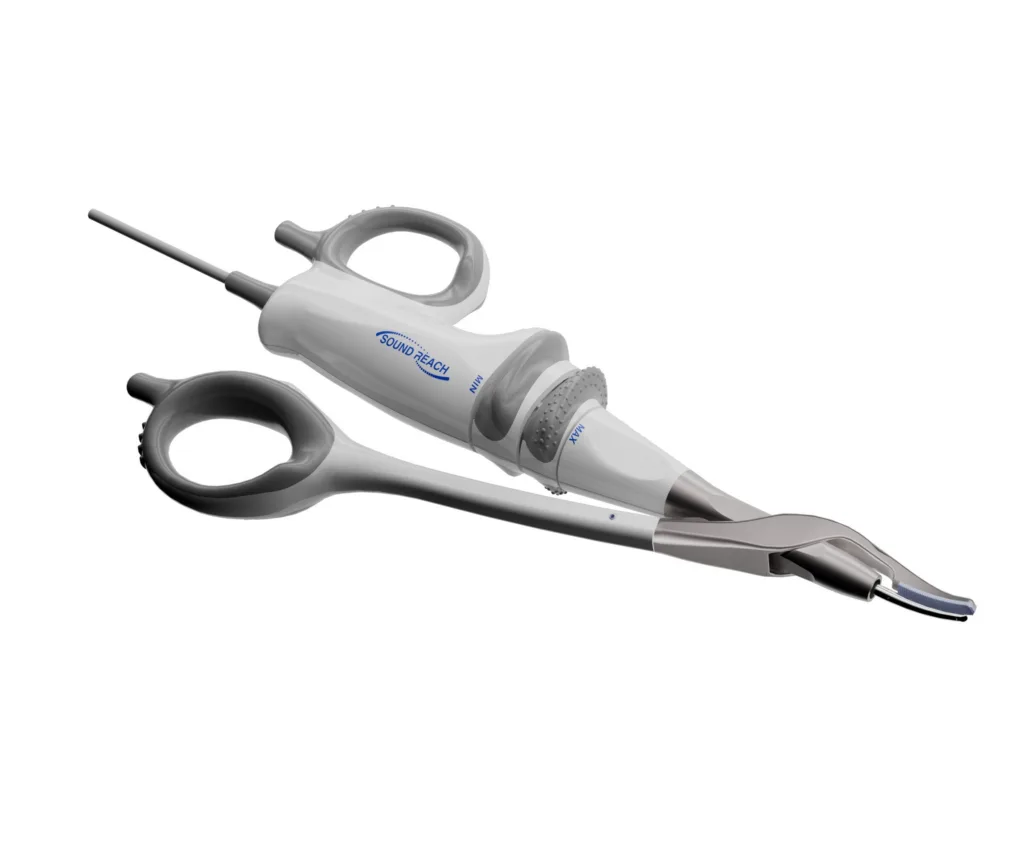
Reach Surgical, the surgical solutions division of Genesis MedTech Group, has received CE Mark approval for Sound Reach Swift, an ultrasonic shear device designed for open surgical procedures including breast and thyroid surgeries. The approval gives the Singapore headquartered medical device group a regulatory pathway to expand its surgical energy portfolio in Europe and other CE Mark aligned markets at a time when demand for precise tissue dissection and coagulation tools is rising across oncology linked procedures.
Why Sound Reach Swift matters for open surgery workflows in thyroid and breast procedures
The strategic importance of Sound Reach Swift lies less in the headline approval itself and more in where the device is positioned. Much of the surgical energy conversation over the past decade has focused on laparoscopic, robotic, and minimally invasive procedures. Reach Surgical is aiming here at open surgery, a large and still clinically essential segment where ergonomics, speed, vessel control, and instrument simplicity can materially affect operating room workflow.
Sound Reach Swift integrates a lightweight power transducer and curved tip blade into a single unit. That sounds like a neat engineering detail, but the commercial implication is more serious. Conventional ultrasonic systems often require handpiece assembly, separate handpiece sterilisation, and additional preparation steps before the surgeon gets to actual tissue work. By moving toward a plug and play format, Reach Surgical is targeting one of the least glamorous but most persistent hospital pain points, procedural friction.
In thyroid and breast procedures, this matters because surgeons are often working in confined anatomical spaces near vessels, nerves, ducts, and other structures where thermal spread and instrument control are not abstract performance claims. They become practical questions inside the operating theatre. A device that can grasp, dissect, and coagulate within one instrument may reduce switching, shorten preparation time, and support more consistent handling. However, adoption will still depend on whether surgeons believe the device performs reliably across real world tissue variability, not just in regulatory and product validation settings.
How CE Mark approval could help Genesis MedTech compete beyond minimally invasive surgery
For Genesis MedTech Group, the CE Mark approval is a portfolio expansion signal. Reach Surgical already operates in surgical devices and energy systems, and Sound Reach Swift gives it a stronger argument in open surgery rather than limiting the brand narrative to minimally invasive platforms. That distinction is important because hospital procurement teams rarely buy isolated instruments in a vacuum. They increasingly look for system compatibility, training support, service reliability, and platform economics.
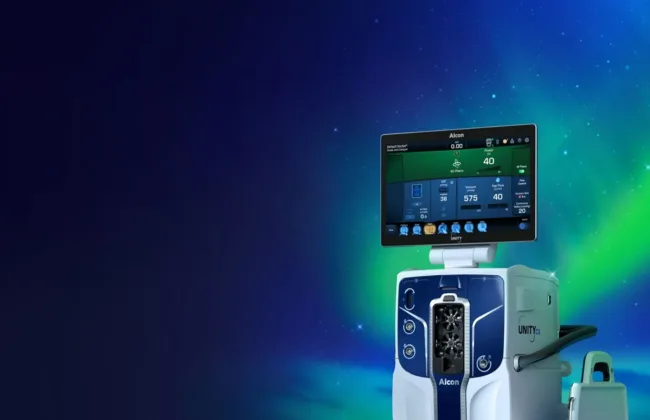
The device also complements the Ener Reach OP9 platform, which supports ultrasonic and advanced bipolar technologies within a single system. This creates a more coherent portfolio story for Reach Surgical. Instead of selling one instrument for one use case, the medical device manufacturer can position itself around energy management across multiple surgical settings. That is a stronger commercial posture, especially in hospitals trying to reduce equipment complexity and avoid fragmented vendor relationships.
The limitation is that CE Mark approval is an access milestone, not an adoption guarantee. European surgeons and procurement teams will still compare Sound Reach Swift against entrenched surgical energy products from larger global medtech competitors. For Genesis MedTech Group, the next challenge is not simply proving that the device is approved. It is proving that the instrument can deliver reproducible clinical utility, acceptable economics, and manageable training requirements across different hospital systems.
What the device design reveals about the next phase of surgical energy innovation
Sound Reach Swift reflects a broader trend in surgical energy devices, where innovation is moving from raw energy output toward workflow integration. The most valuable devices are no longer judged only by whether they cut or seal. They are judged by whether they simplify surgeon handling, reduce operating room steps, support thermal control, and fit naturally into established surgical habits.
The forceps style design is commercially important for that reason. Open surgery has its own tactile expectations. Surgeons who are used to certain hand movements and instrument profiles may resist devices that feel technically advanced but ergonomically unfamiliar. By using a design closer to instruments already common in open surgery, Reach Surgical is trying to lower behavioural friction. That may be as important as the device’s energy delivery claims.
The unresolved question is whether workflow simplicity can translate into measurable clinical or economic outcomes. Hospitals may like faster preparation and fewer instrument exchanges, but procurement decisions often require a stronger case around procedure efficiency, complication reduction, instrument utilisation, or total cost of ownership. Without comparative clinical data or clear health economic evidence, Sound Reach Swift may first compete on usability and portfolio fit rather than definitive superiority.
Why vessel sealing up to 5 mm is useful but still needs careful clinical positioning
Sound Reach Swift is designed to support coagulation for vessels up to 5 mm and precise dissection in confined anatomy. In the context of breast and thyroid surgeries, that capability is relevant because these procedures frequently involve delicate tissue planes and vascular structures where consistent haemostasis is crucial. Reliable vessel control can reduce interruptions, support cleaner fields, and help surgeons maintain procedural momentum.
However, vessel sealing specifications need careful interpretation. A 5 mm claim is useful, but it does not automatically make the device the right tool for every vessel or every tissue condition. Surgeons will still consider vessel type, tissue thickness, patient anatomy, proximity to sensitive structures, and the thermal profile of the device. In thyroid surgery, for example, the clinical concern is not only whether a vessel can be sealed. It is whether the device can do so while limiting collateral tissue impact near critical structures.
This is where clinical confidence becomes the real adoption currency. If Sound Reach Swift performs consistently in routine breast and thyroid workflows, it could become a useful open surgery tool. If performance depends heavily on technique, tissue type, or case selection, adoption may be more selective. For Reach Surgical, the CE Mark creates market eligibility, but post approval evidence and surgeon experience will shape the product’s true commercial ceiling.
Why rising breast and thyroid cancer burden strengthens the market logic
The disease burden context gives this approval a stronger market rationale. GLOBOCAN 2022 estimates 2.3 million new breast cancer cases and approximately 821,000 thyroid cancer cases globally. Those figures matter because they point to sustained procedural volume in areas where surgical intervention remains central to care pathways. Even as systemic therapies, imaging, and diagnostics improve, surgery remains a core component of treatment for many breast and thyroid cancer patients.
This does not mean Sound Reach Swift is a cancer treatment device. It is not. Its relevance sits inside the procedural infrastructure that supports cancer surgery. That distinction matters for accurate positioning. The device may help address operational and technical demands in procedures linked to high burden diseases, but its value must still be judged through surgical performance, safety, workflow, and economics rather than oncology outcomes.
The commercial opportunity is therefore meaningful but not automatic. Rising procedure volume can expand the addressable market for surgical energy tools, yet hospitals are under pressure to justify new device adoption. Medtech firms that can connect their devices to efficiency, consistency, and training advantages may have an edge. Those that rely only on broad disease burden arguments may find procurement committees harder to impress.
What hospitals and surgeons are likely to watch after this CE Mark approval
Clinicians tracking the surgical energy field are likely to focus on usability, thermal control, vessel sealing reliability, and whether the integrated transducer design creates real workflow gains. The promise of a plug and play device is attractive, but operating rooms are demanding environments. Any new instrument must work smoothly across case schedules, sterilisation processes, surgical preferences, and staff familiarity.
Hospitals will also watch compatibility and cost. If Sound Reach Swift fits within the broader Ener Reach OP9 ecosystem, it may help Genesis MedTech Group make a more compelling platform argument. A system that supports multiple energy modalities can be more attractive than single function device purchasing, especially where hospitals are trying to standardise equipment across departments. Still, standardisation decisions can take time, particularly in Europe where procurement processes vary across public and private health systems.
Training will be another factor. Even when a device is designed to resemble familiar instruments, adoption still requires confidence. Surgeons must understand activation behaviour, tissue effects, seal reliability, and thermal management. Operating room nurses and technicians must understand setup and handling. If Reach Surgical can support education effectively, the product’s adoption path becomes easier. If training support lags, even a well designed device can face slow uptake.
Could Sound Reach Swift improve Reach Surgical’s standing in the surgical energy market?
Sound Reach Swift gives Reach Surgical a stronger open surgery proposition, but the competitive landscape remains challenging. Surgical energy is a mature and crowded category dominated by companies with long hospital relationships, extensive clinical data, and established service networks. Genesis MedTech Group has to compete not only on device features but also on trust, training, reliability, and long term support.
The approval does, however, strengthen the company’s credibility in a useful way. CE Mark approval gives Reach Surgical a recognised regulatory credential and supports expansion in markets that accept or reference European conformity pathways. For a company building a broader global medtech identity, that matters. Regulatory approval in one product line can also help reinforce confidence in the wider portfolio, especially when paired with a platform strategy.
The key risk is overstatement. Sound Reach Swift should be viewed as an important incremental advance in Reach Surgical’s surgical energy portfolio, not a category redefining event on its own. Its design may reduce workflow complexity and support precision in specific open procedures, but the market will need evidence from routine clinical use before assigning it a larger role in the surgical energy hierarchy.
Why this approval is strategically useful but not yet commercially decisive
This is a smart portfolio move for Genesis MedTech Group because it targets a practical gap rather than chasing a flashy but crowded narrative. Open surgery may not carry the same market glamour as robotic surgery, but it remains clinically essential and commercially meaningful. Devices that improve handling, simplify setup, and maintain controlled energy delivery can earn surgeon loyalty if they behave predictably in daily use.
The interesting part is the integrated design. By eliminating separate handpiece management and assembly, Sound Reach Swift addresses the operating room’s unromantic bottlenecks. That is often where medtech adoption is won. A device that saves steps, reduces staff burden, and feels natural in the surgeon’s hand can sometimes travel faster than a device built around a louder technical claim.
Still, the approval is only the beginning. The next phase will depend on European launch execution, surgeon training, hospital procurement response, and whether Reach Surgical can generate enough clinical and economic confidence to challenge better known surgical energy platforms. The device gives Genesis MedTech Group a sharper route into open surgery. The market will now decide whether that route becomes a meaningful commercial corridor or a useful but narrower product extension.