Nasal foralumab reduces brain inflammation marker in Phase 2a multiple sclerosis trial
Tiziana Life Sciences' nasal foralumab meets Phase 2a multiple sclerosis endpoints. Explore brain inflammation, fatigue and safety findings.


Tiziana Life Sciences' nasal foralumab meets Phase 2a multiple sclerosis endpoints. Explore brain inflammation, fatigue and safety findings.

uniQure's Huntington's gene therapy AMT-130 secures FDA priority review, with a May 1, 2027 decision target. Explore the clinical evidence.
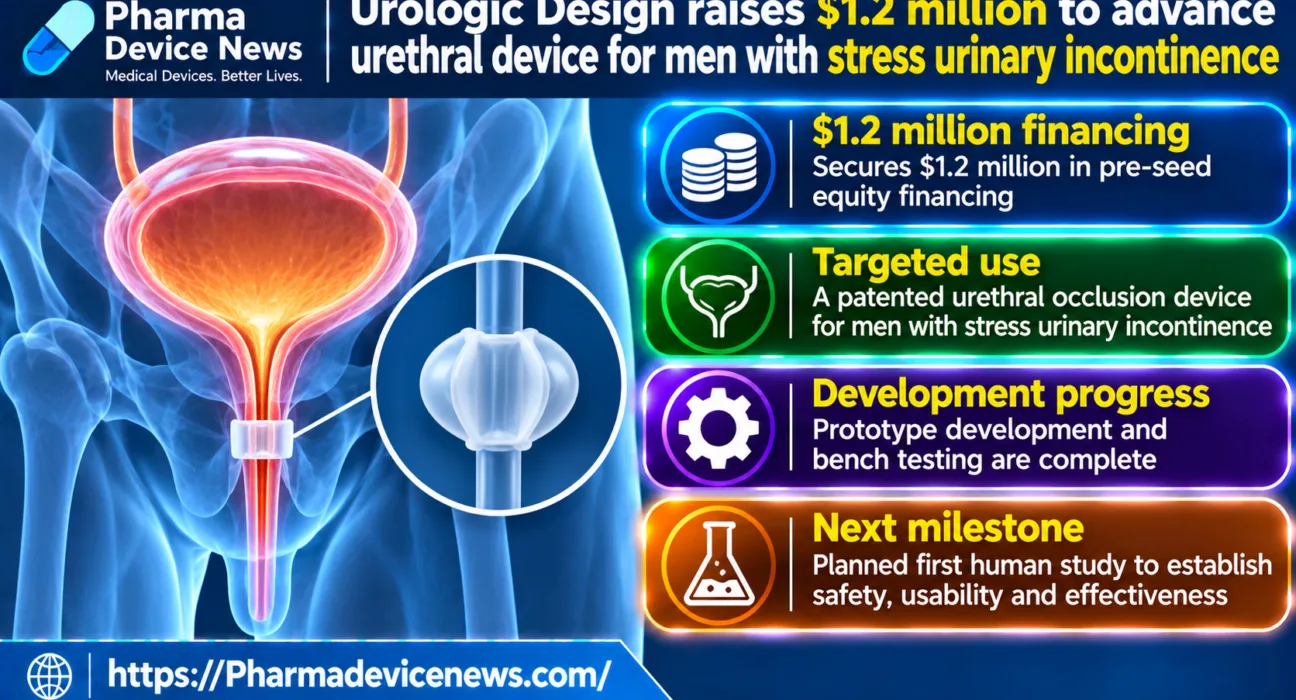
Urologic Design has secured $1.2 million in pre-seed equity financing to advance a patented urethral occlusion device for men experiencing stress urinary incontinence. The company has completed prototype development and bench testing but must still establish safety, usability and effectiveness in its planned first human study.
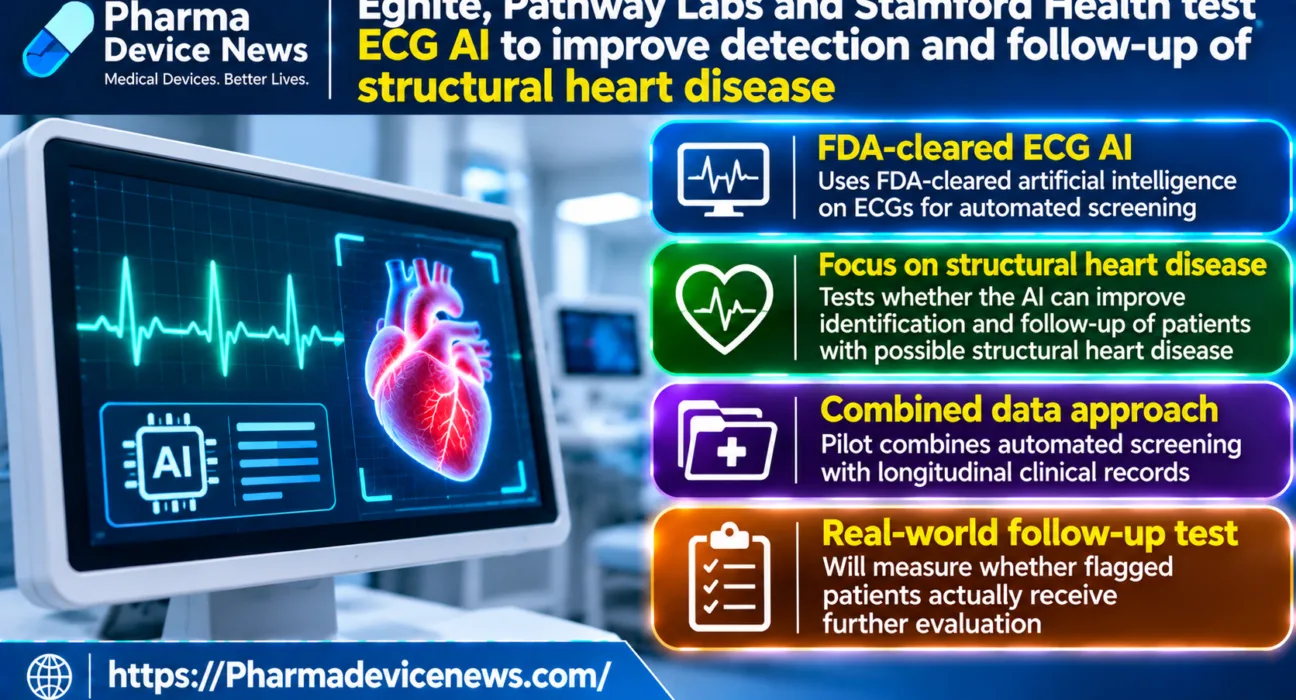
Egnite, Pathway Labs and Stamford Health are testing whether FDA-cleared ECG artificial intelligence can improve identification and follow-up of patients with possible structural heart disease. The pilot combines automated screening with longitudinal clinical records and will measure whether flagged patients actually receive further evaluation.
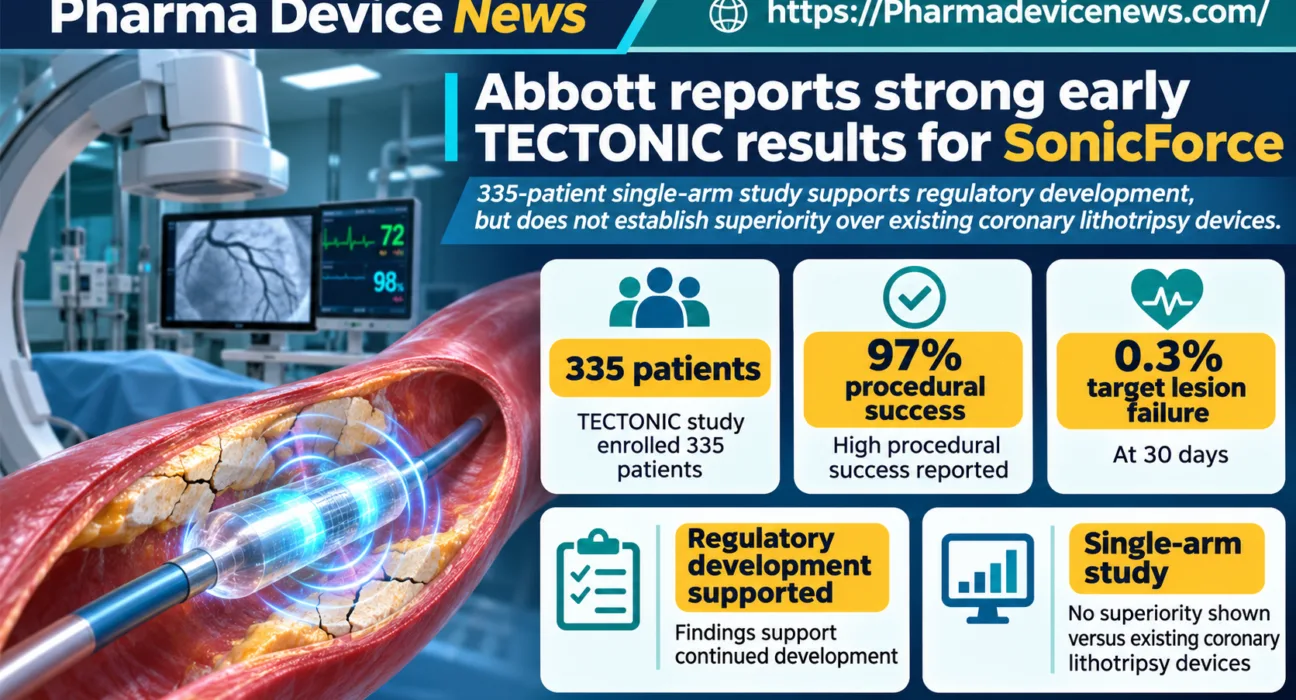
Abbott has reported 97% procedural success and 0.3% target lesion failure at 30 days in its 335-patient TECTONIC study of SonicForce. The findings support the investigational system's regulatory development, although the single-arm trial does not establish superiority over existing coronary lithotripsy devices.

Johnson & Johnson has highlighted three observational analyses involving 1,379 Impella-supported high-risk PCI patients, reporting mortality rates below selected figures from CHIP-BCIS3. However, the original randomised study found no significant clinical advantage from routine pump use, leaving patient selection and treatment strategy important unresolved questions.
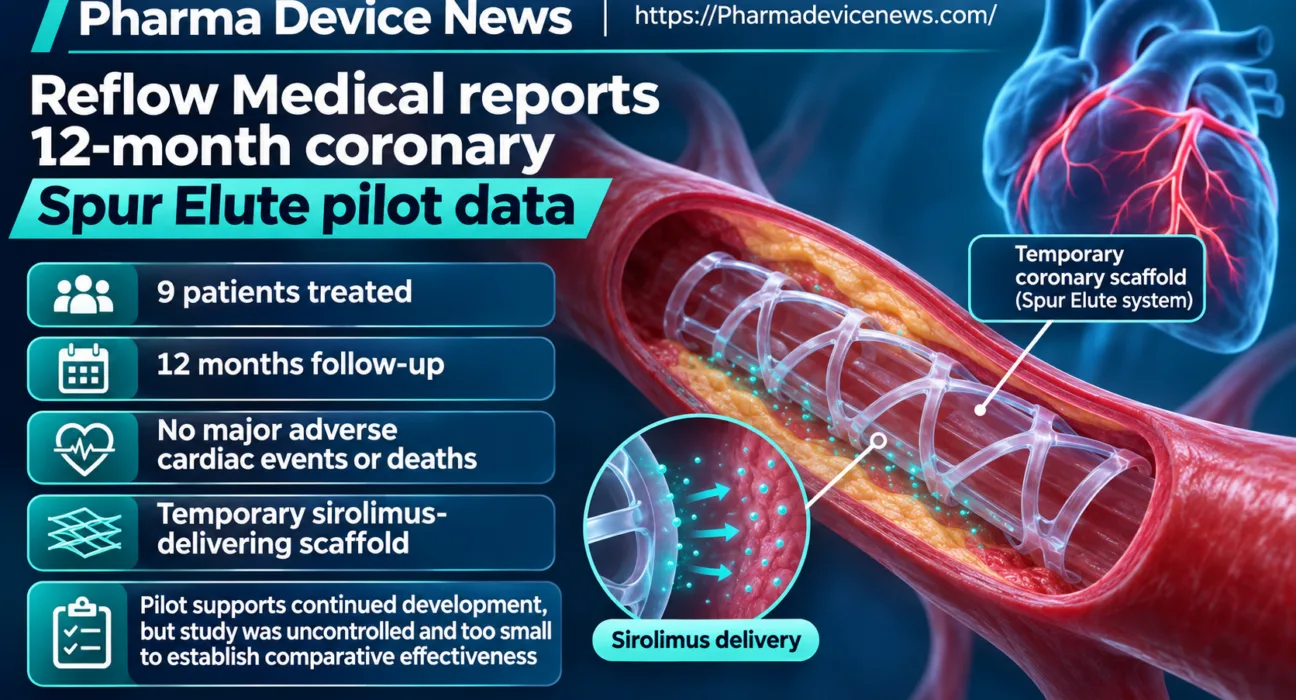
Reflow Medical has reported no major adverse cardiac events or deaths during 12 months of follow-up among nine patients treated with its investigational coronary Spur Elute system. The findings support continued development of the temporary sirolimus-delivering scaffold, but the uncontrolled pilot is too small to establish comparative effectiveness.
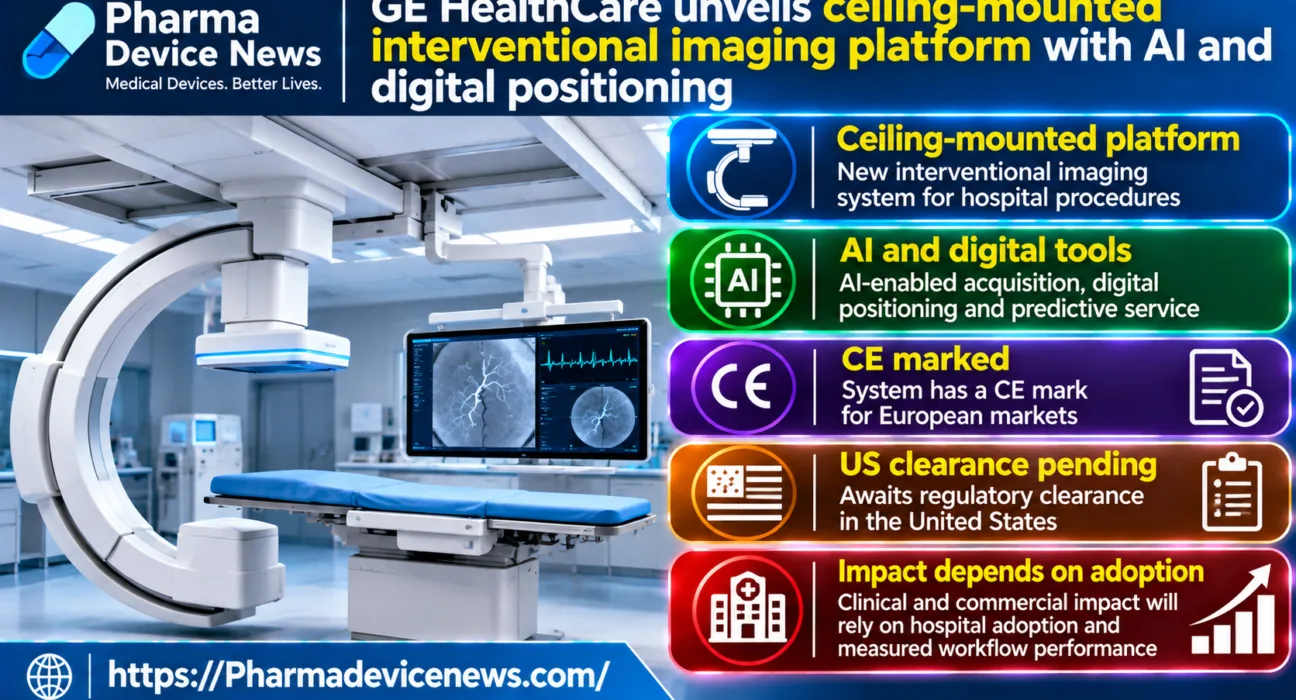
GE HealthCare has introduced a ceiling-mounted interventional imaging platform combining AI-enabled acquisition, digital positioning and predictive service technology. The system is CE marked but awaits US clearance, leaving its clinical and commercial impact dependent on hospital adoption and measured workflow performance.

Altruist Biologics has supported the acceptance and priority review of a multinational client's application to manufacture an existing overseas-developed biologic in China. The milestone demonstrates the relevance of China's 2024 localisation framework, but the client's identity, the medicine and the financial terms remain undisclosed.

NeuroSense Therapeutics is using clinical and biomarker findings from its Phase 2b PARADIGM programme to refine the planned Phase 3 PARAGON trial of PrimeC. The published study reported encouraging long-term functional differences, but its six-month comparison was not statistically significant and the company faces substantial financing and listing pressures.