Alebund Pharmaceuticals gets FDA IND clearance for AP308 in IgA nephropathy
FDA clears Alebund’s AP308 for human testing in IgA nephropathy, taking a novel IgA-cleaving strategy beyond promising preclinical data.


FDA clears Alebund’s AP308 for human testing in IgA nephropathy, taking a novel IgA-cleaving strategy beyond promising preclinical data.

LUMA Vision has secured another FDA clearance expanding VERAFEYE ahead of a planned early-2027 United States launch. The system combines intracardiac ultrasound, live 3D anatomical reconstruction, catheter tracking and ablation guidance, challenging the electrophysiology lab’s traditional reliance on several separate imaging and navigation tools.

Vitestro’s Aletta has become the first standalone autonomous robotic blood-draw device authorized by the FDA. With one trained supervisor permitted to oversee as many as three systems, the technology could address workforce constraints and standardize venipuncture, but throughput, cost, difficult-vein performance and patient acceptance will determine whether robotics actually changes laboratory medicine.

The FDA has granted Breakthrough Therapy Designation to UCB’s CIMZIA for high-risk pregnant women with antiphospholipid syndrome after Phase 2 evidence suggested that adding TNF inhibition to standard aspirin and heparin could reduce severe placenta-mediated complications. The programme challenges a long-standing assumption that preventing thrombosis alone is sufficient to manage obstetric APS.
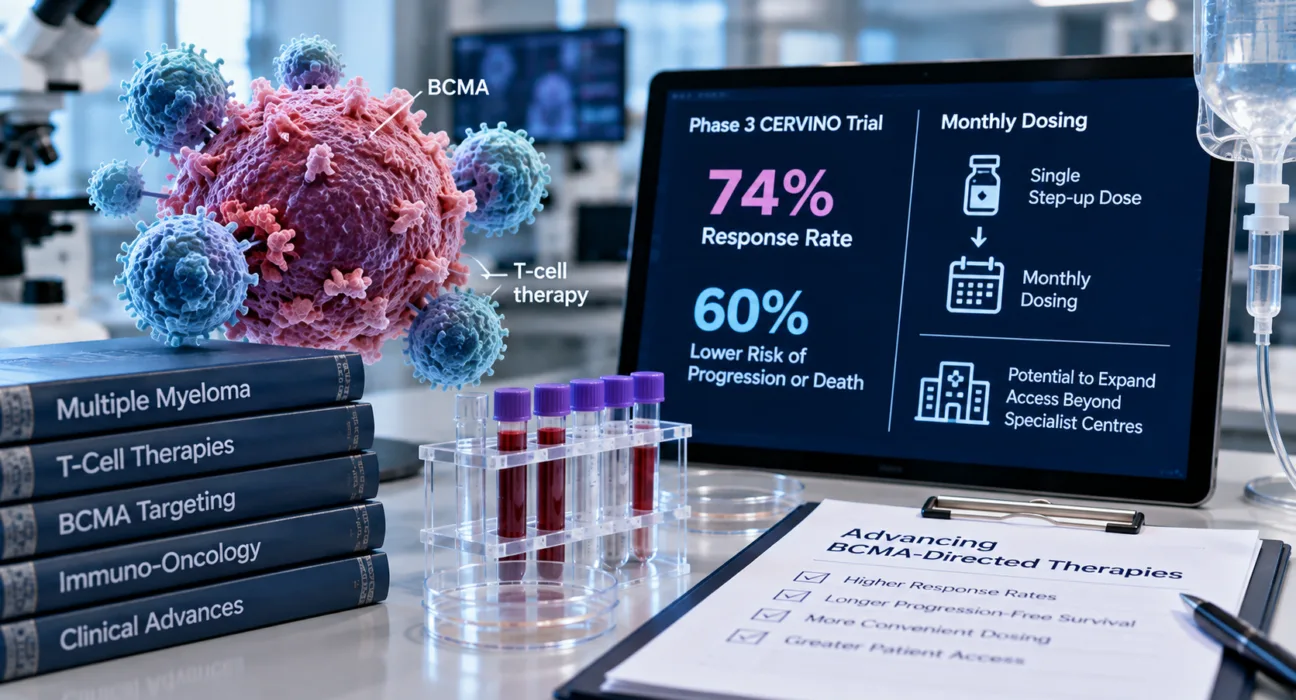
AbbVie’s etentamig delivered a 74% response rate and reduced the risk of progression or death by 60% in the Phase 3 CERVINO trial. Its real competitive proposition, however, may be operational: monthly dosing after a single step-up dose could help move BCMA-directed T-cell therapy beyond specialist centres.
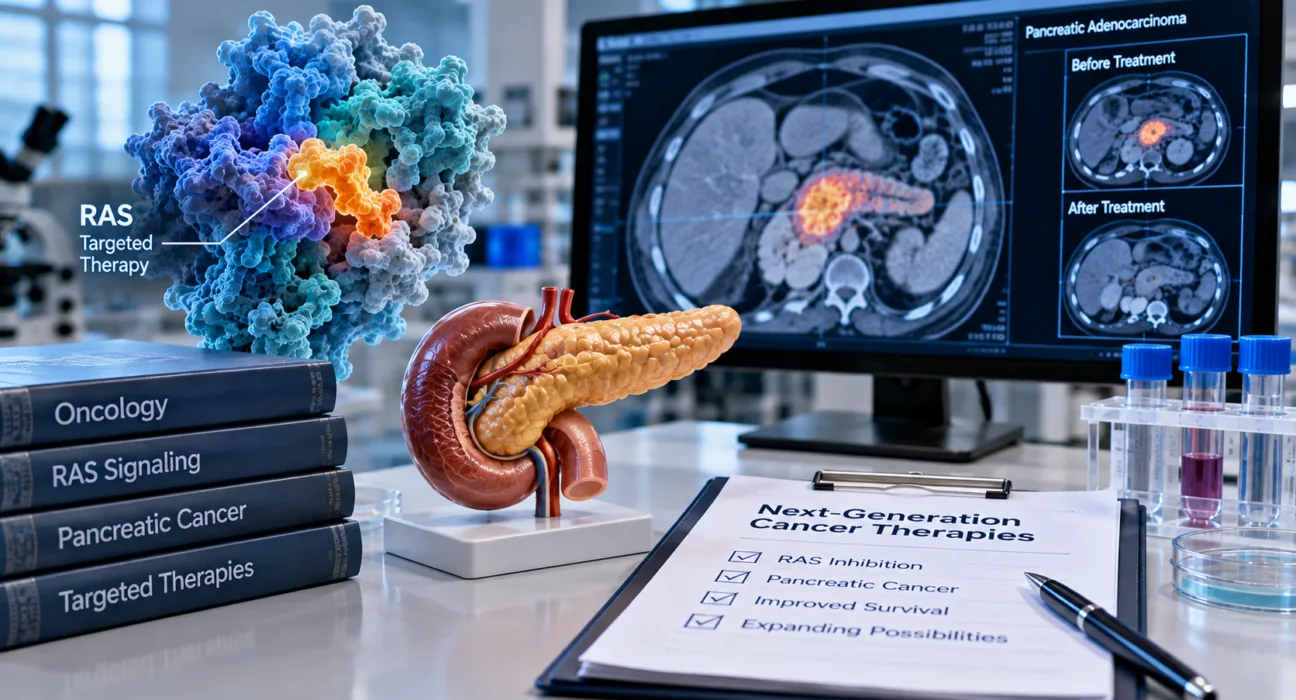
Revolution Medicines’ RASONQUE has become the first broad RAS-targeted therapy approved for metastatic pancreatic adenocarcinoma after Phase 3 data showed a 60% reduction in the risk of death compared with chemotherapy. The approval matters well beyond one cancer because it tests whether RAS, long regarded as one of oncology’s hardest targets, can support an entire

AstraZeneca has secured FDA accelerated approval for Etcamah after SERENA-6 showed that switching therapy when an ESR1 mutation emerged in circulating tumour DNA sharply delayed disease progression. Days later, however, the broader SERENA-4 first-line trial missed its primary endpoint, creating an unusually clear demonstration that patient selection and treatment timing may matter as much as

Shoulder Innovations launches the FDA-cleared N-22 titanium humeral head, expanding shoulder replacement options for metal-sensitive patients.

NCI awards Intus Bio $2.7 million to develop a microbiome-based test for early-onset colorectal cancer and precancerous lesions.

FDA grants orphan status to Lundbeck’s asedebart for endogenous Cushing’s syndrome as Phase 2 testing examines direct ACTH neutralization.