Business, energy, technology, markets and global industry news from Business News Today
Features & Analysis

FDA approved Abbott’s dual-energy AFib catheter. Can procedural flexibility beat single-energy simplicity?

Abbott Laboratories has received FDA approval for TactiFlex Duo, a focal ablation catheter capable of delivering both pulsed-field and radiofrequency energy. The system enters a rapidly expanding pulsed-field ablation market with a different proposition: instead of replacing thermal ablation entirely, it lets electrophysiologists choose between energy types during the same procedure.

Read More
Features & Analysis

A new TAVR protection device catches debris beyond the brain. Can Emboline turn engineering superiority into clinical value?

Emboline’s Emboliner has received FDA 510(k) clearance after a randomized head-to-head trial showed similar 30-day clinical outcomes to Boston Scientific’s Sentinel but substantially greater debris capture and higher deployment success. The device now faces a commercial question its pivotal trial could not fully answer: whether protecting more of the circulation ultimately improves patient outcomes.

Read More
Features & Analysis

Nanoscope’s MOGENRY does not need to know which RP mutation a patient has. Could that change retinal gene therapy?

Nanoscope Therapeutics has moved MOGENRY into formal FDA review for severe vision loss caused by retinitis pigmentosa. The therapy’s optogenetic strategy is unusual because it attempts to restore light sensitivity in surviving retinal cells regardless of the patient’s underlying mutation, potentially expanding gene therapy beyond one-gene-one-drug models.

Read More
Features & Analysis

Continuous glucose monitoring changed diabetes care. Can Nutromics do something similar for hospital drug dosing?

Nutromics has received FDA Breakthrough Device Designation for a wearable patch designed to monitor vancomycin continuously rather than through intermittent laboratory blood draws. Human feasibility data support the concept, but sensor durability, accuracy in critically ill patients and integration into dosing decisions remain the real commercial hurdles.

Read More
Features & Analysis

Ionis priced ZANVASTRO at $285,000 a dose. Can the first Alexander disease drug build a viable ultra-rare franchise?

FDA approval has transformed zilganersen from an experimental antisense programme into the first disease-modifying medicine for Alexander disease. For Ionis Pharmaceuticals, however, ZANVASTRO is also a test of whether years of RNA-targeted neurology research can translate into a sustainable independently commercialized franchise.

Read More
Features & Analysis

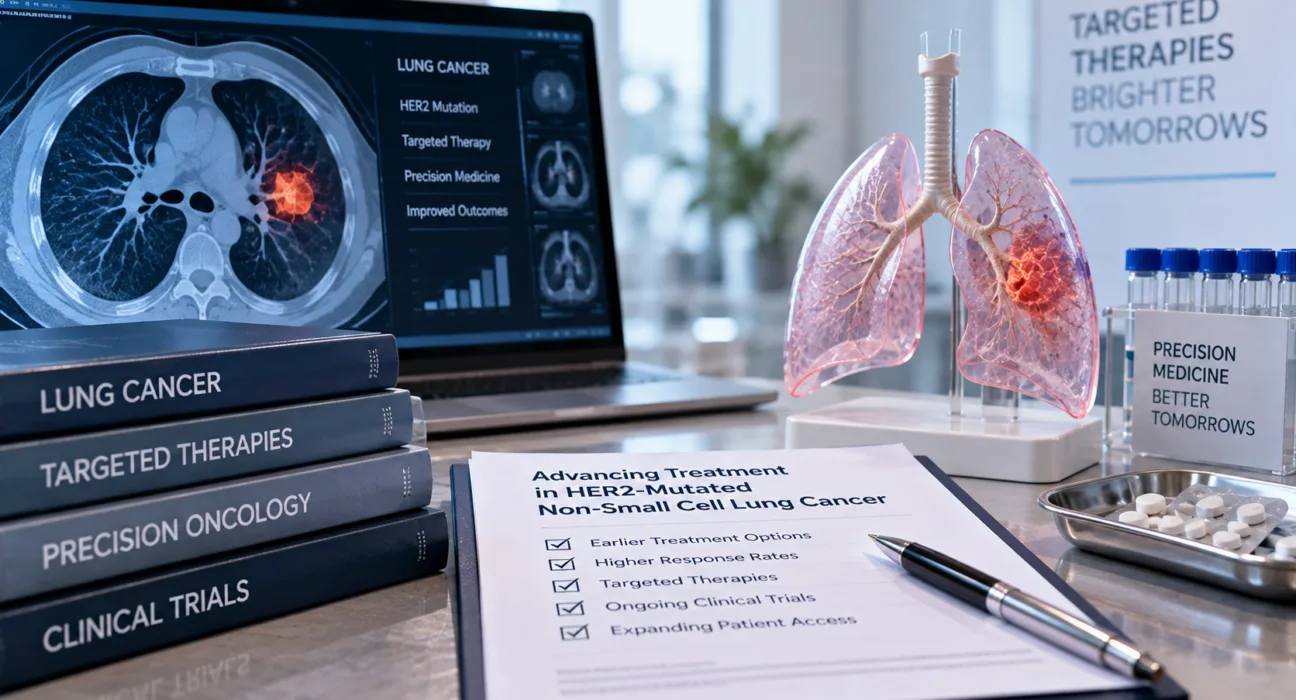
HYRNUO reached untreated HER2-mutant NSCLC before its Phase 3 answer. What does Bayer need to prove next?

The FDA has expanded HYRNUO into first-line advanced HER2-mutated non-small cell lung cancer after a 75% response rate in an early-phase cohort. The approval gives Bayer an important head start, but rival oral therapies and unfinished confirmatory trials mean the long-term treatment hierarchy remains unsettled.

Read More
Pharma & Biotech

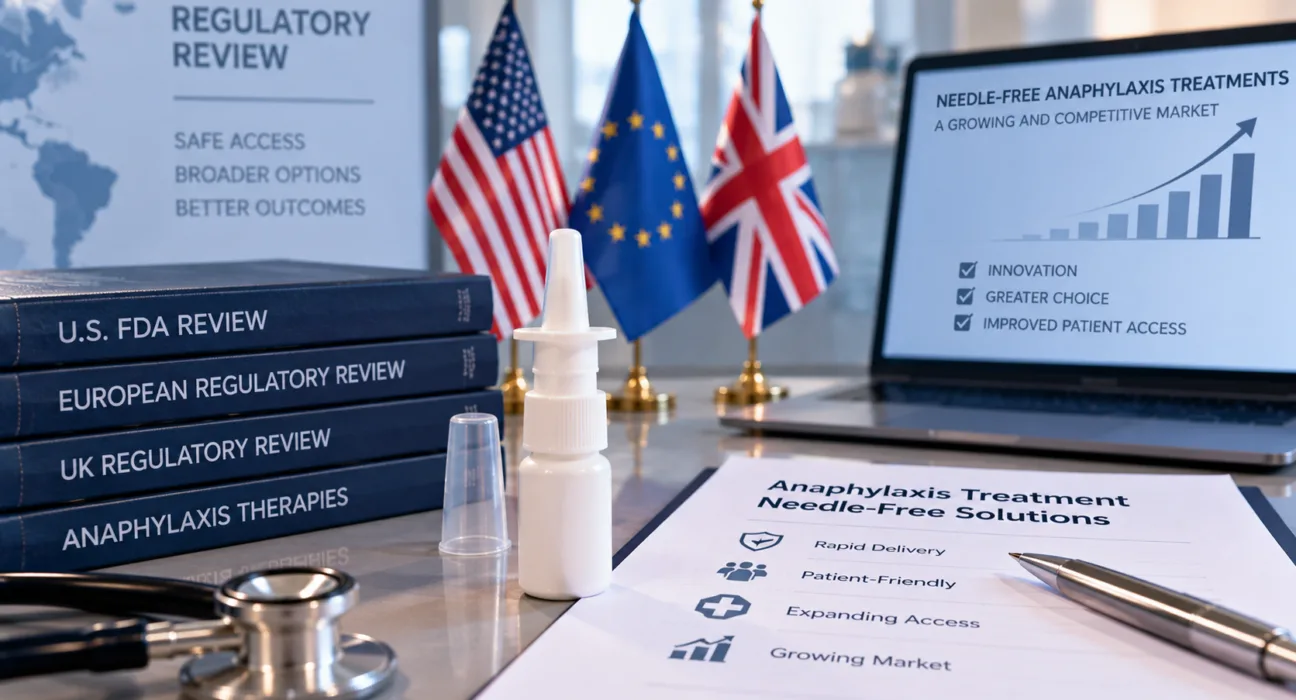
Hikma advances specialty nasal spray pipeline with global anaphylaxis filings

Hikma’s epinephrine nasal spray enters regulatory review in the U.S., Europe and UK as competition grows in needle-free anaphylaxis treatment.

Read More
Medical Devices & Diagnostics

Helix launches Whole Exome+ diagnostic test for rare and unexplained genetic conditions

Helix launches Whole Exome+ combining exome, mitochondrial and chromosomal analysis for patients with rare and unexplained genetic conditions.

Read More
Pharma & Biotech

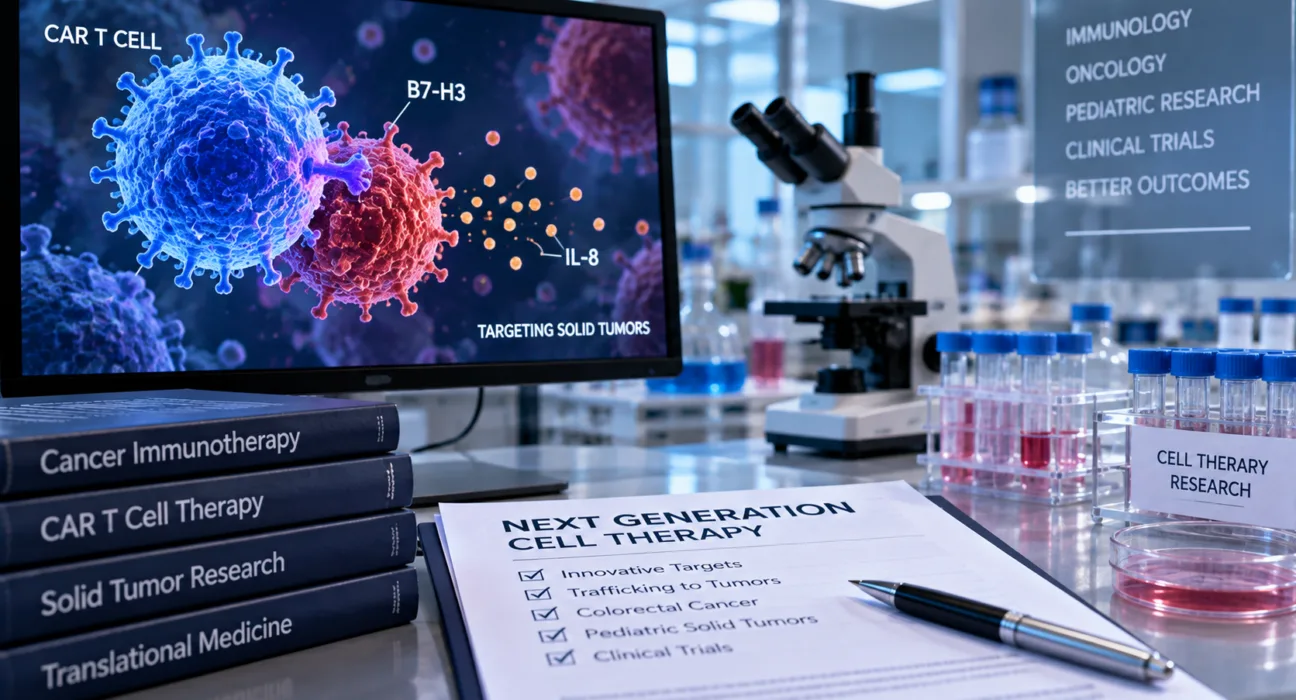
FDA clears University of Colorado Anschutz CAR T trial for colorectal and pediatric solid tumors

FDA clears a CU Anschutz trial of B7-H3 CAR T cells engineered to follow IL-8 signals into colorectal and pediatric solid tumors.

Read More
Features & Analysis

KKR is paying $5.7bn for Integer Holdings. Why are medtech suppliers suddenly so attractive to private equity?

KKR’s agreement to acquire Integer Holdings joins the multibillion-dollar privatisation of Hologic and American Industrial Partners’ purchase of Avanos Medical. The transactions differ substantially, but together they show why specialised medtech manufacturers, platforms and established healthcare franchises remain attractive to private capital even when near-term growth is uneven.

Read More