Business, energy, technology, markets and global industry news from Business News Today

Features & Analysis

Features & Analysis

Why neoantigen cancer vaccines are not conventional vaccines and cannot be mass-produced the same way

Personalized neoantigen vaccines turn mutations from an individual patient’s tumor into a custom immunotherapy, requiring sequencing, computational prediction and manufacturing to occur within the treatment window.


Read More
Features & Analysis

The first PROTAC is approved. What does that actually prove about targeted protein degradation?

Targeted protein degraders do not simply occupy a disease protein and block its activity. They recruit the cell’s disposal machinery to remove it, potentially opening targets conventional drugs cannot reach.

Read More
Features & Analysis

Should people without diabetes wear continuous glucose monitors? What the evidence actually shows

FDA-cleared OTC glucose sensors have opened continuous monitoring to people who do not use insulin, but evidence for weight loss and broad metabolic improvement in people without diabetes remains limited.

Read More
Features & Analysis

Can a blood test find cancer relapse before a scan? What ctDNA MRD can and cannot tell clinicians

Circulating tumor DNA can detect molecular traces of residual cancer after apparently curative treatment, but proving that acting on an earlier signal improves survival is the harder challenge.

Read More
Features & Analysis

Why oral peptide medicines still fail even after GLP-1 drugs broke the injection barrier

Oral semaglutide demonstrated that a peptide can become a successful tablet, but extremely low and variable gastrointestinal absorption still makes most peptides poor candidates for oral delivery.

Read More
Features & Analysis

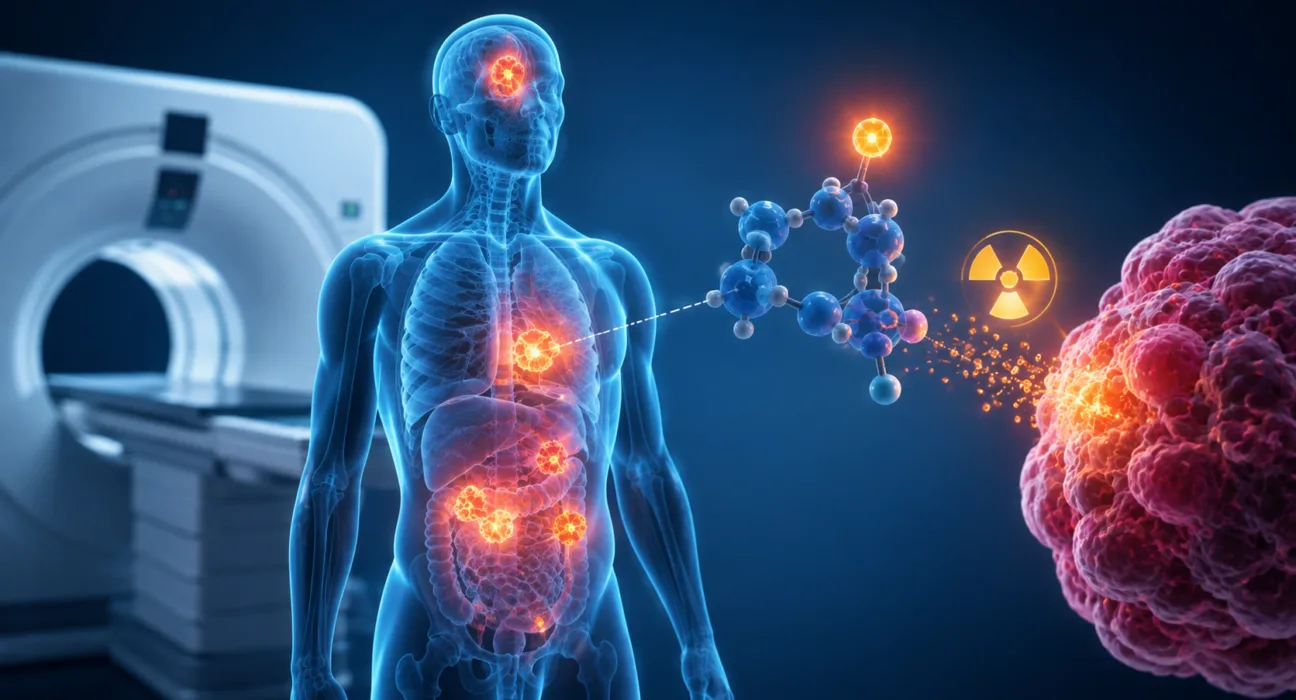
Lutetium, actinium and the next isotope race: inside radiopharmaceutical cancer therapy

Radiotheranostics pairs molecular imaging with targeted radioactive drugs, allowing clinicians to confirm whether a tumor carries the therapeutic target before delivering radiation systemically.

Read More
Features & Analysis

Why the next generation of antibody-drug conjugates is moving beyond simply finding new targets

Antibody-drug conjugates combine targeting antibodies with powerful cytotoxic payloads, but clinical performance increasingly depends on linker chemistry, drug-to-antibody ratio, payload properties and how the medicine behaves inside heterogeneous tumors.

Read More
Features & Analysis

Smartwatches can collect millions of clinical-trial measurements. Regulators still need one question answered

Wearable devices are moving beyond step counts and wellness tracking to become clinical-trial instruments, but regulatory acceptance will depend on whether sponsors can prove that digital endpoints are accurate, meaningful and reliable across diverse patient populations.

Read More
Features & Analysis

Some patients may now receive real retatrutide before FDA approval. Most people discussing it online still will not qualify

Eli Lilly and Company has created a limited expanded-access pathway for adults with severe, treatment-resistant obesity, even as regulators warn that products sold online as retatrutide are unapproved, potentially contaminated and illegal to compound.

Read More
Features & Analysis

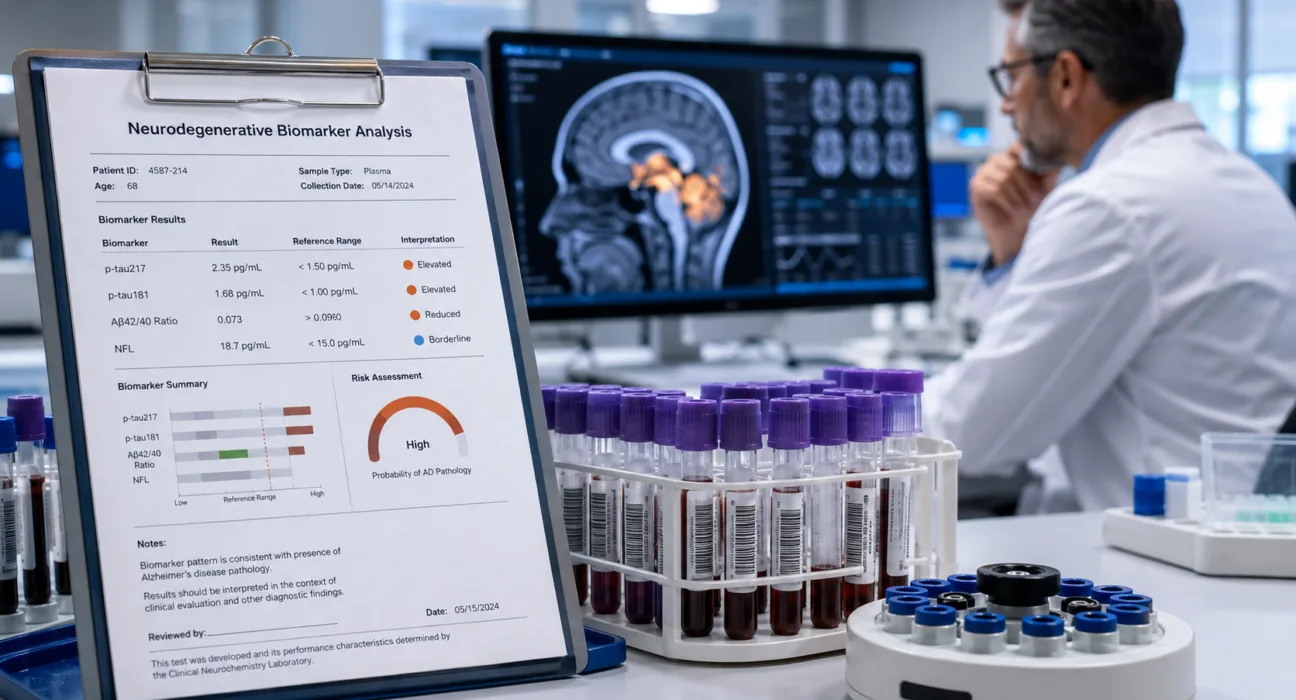
A blood test changed one-third of doctors’ Alzheimer’s diagnoses. Is routine screening the next step?

Alzheimer’s blood tests are moving from specialist research into clinical practice after real-world evidence showed that biomarker results sharply improved diagnostic accuracy. The opportunity is substantial, but differences between assays, inappropriate screening and laboratory-quality failures could undermine confidence.

Read More