Business, energy, technology, markets and global industry news from Business News Today

Features & Analysis

Features & Analysis

Could AI find hidden heart attack risk inside a routine coronary CT scan?

FDA-authorized CaRi-Heart software analyzes inflammation in the fat surrounding coronary arteries and combines it with clinical information to estimate cardiovascular mortality risk, pointing toward a future where routine CT scans reveal biological danger invisible to conventional measurements of artery narrowing.
Read More
Features & Analysis

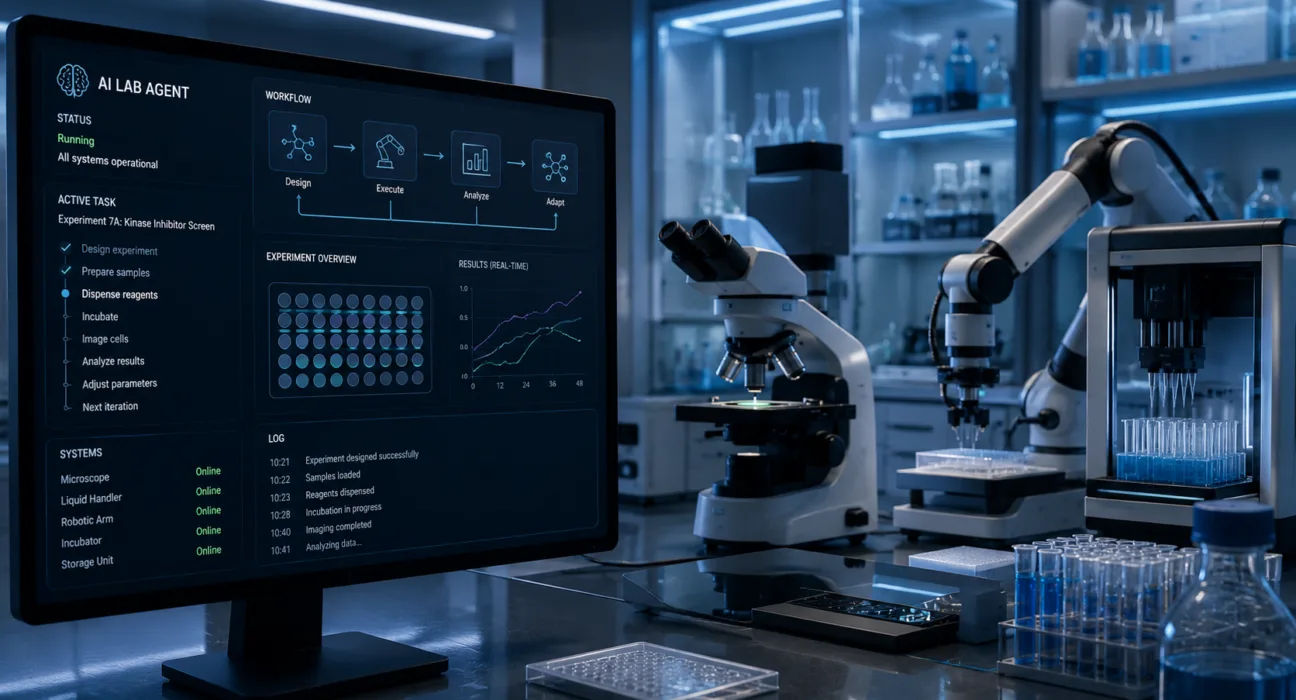
Claude can now operate microscopes, liquid handlers and robot arms. What happens when AI leaves the chatbot?

Anthropic’s new Model Hardware Standard allows artificial-intelligence agents to control microscopes, liquid handlers, robotic arms and other physical laboratory equipment, creating a path toward autonomous drug-discovery laboratories capable of designing, running and adjusting experiments around the clock.

Read More
Features & Analysis

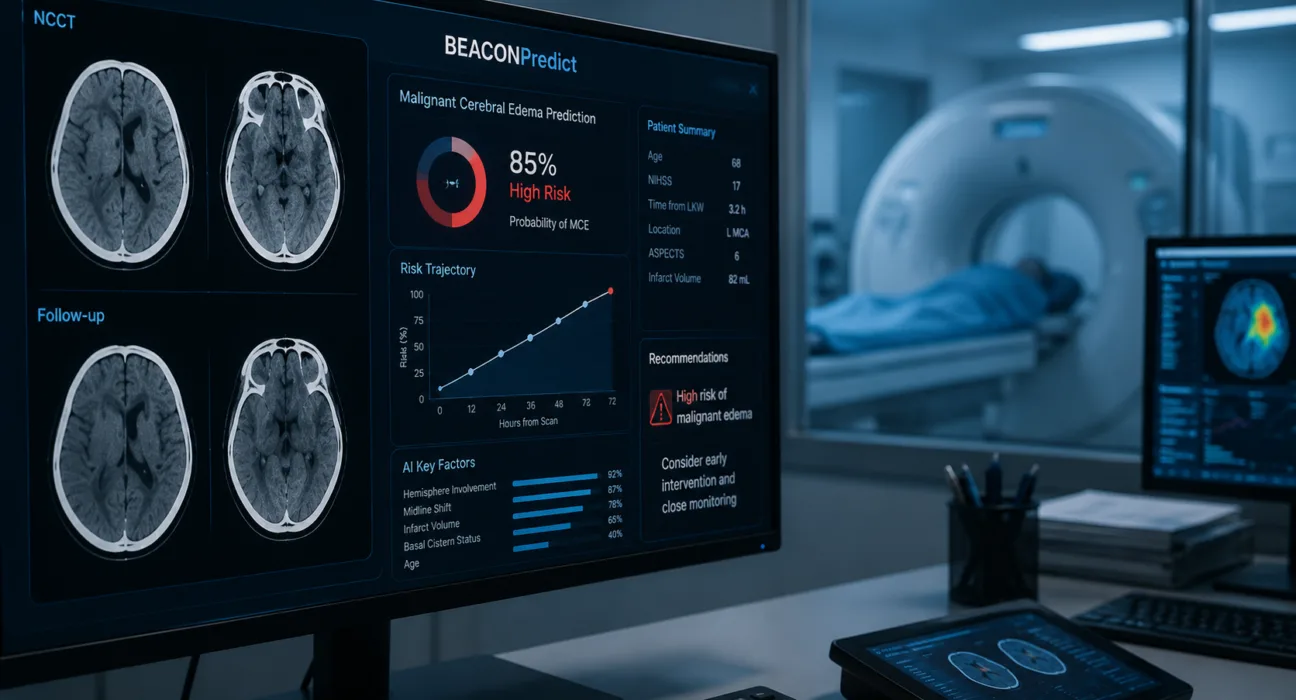
The CT scan may already contain clues to a deadly stroke complication. AI could find them before doctors can

BEACONPredict and a growing body of research are testing whether artificial intelligence can use routine CT imaging to predict malignant cerebral edema before neurological deterioration, potentially shifting stroke care from emergency reaction toward preventive intervention.

Read More
Features & Analysis

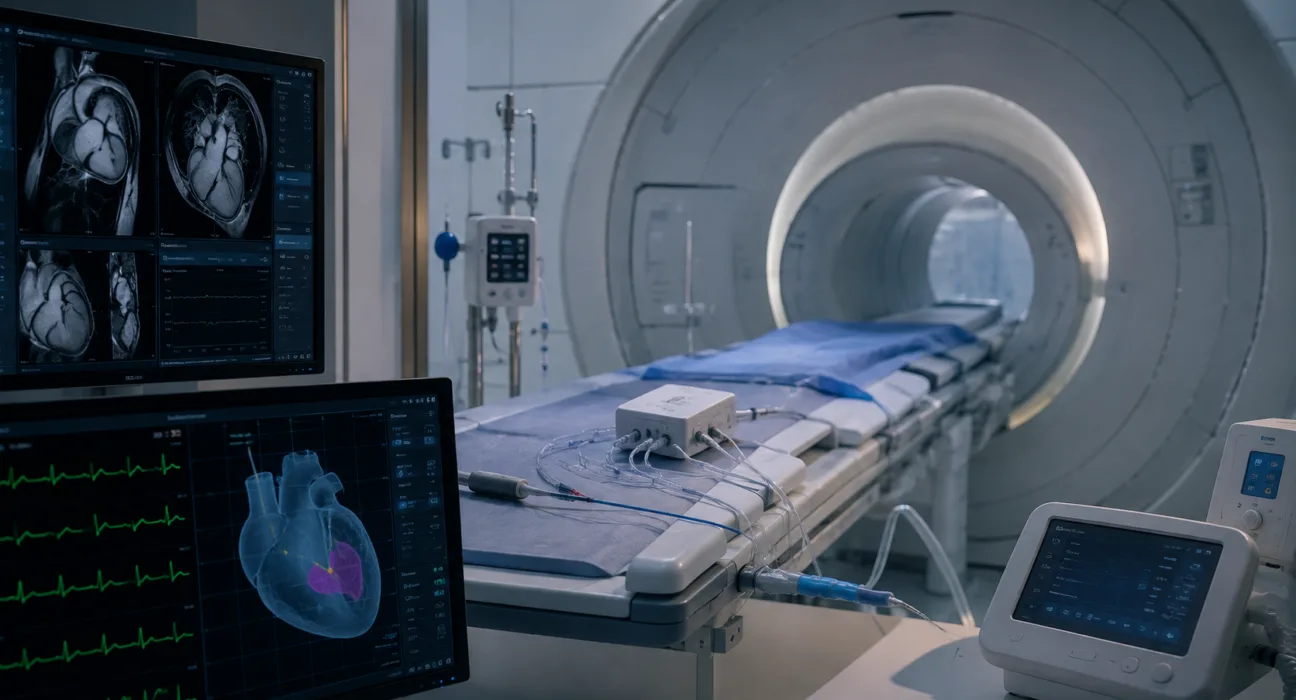
How MRI-guided cardiac ablation could move interventional cardiology beyond X-ray fluoroscopy

A new Philips and Imricor interventional MRI platform brings cardiac procedures inside a 1.5-tesla MRI environment, advancing a longer-term effort to replace indirect X-ray guidance with direct tissue visualization.

Read More
Features & Analysis

The next medical device may hold a conversation with you. The FDA is preparing for what comes next

Generative artificial intelligence is pushing medical software beyond fixed predictions toward systems capable of conversation, synthesis and potentially autonomous actions. The FDA is now exploring whether these devices should be evaluated more like clinical professionals than conventional software.

Read More
Features & Analysis

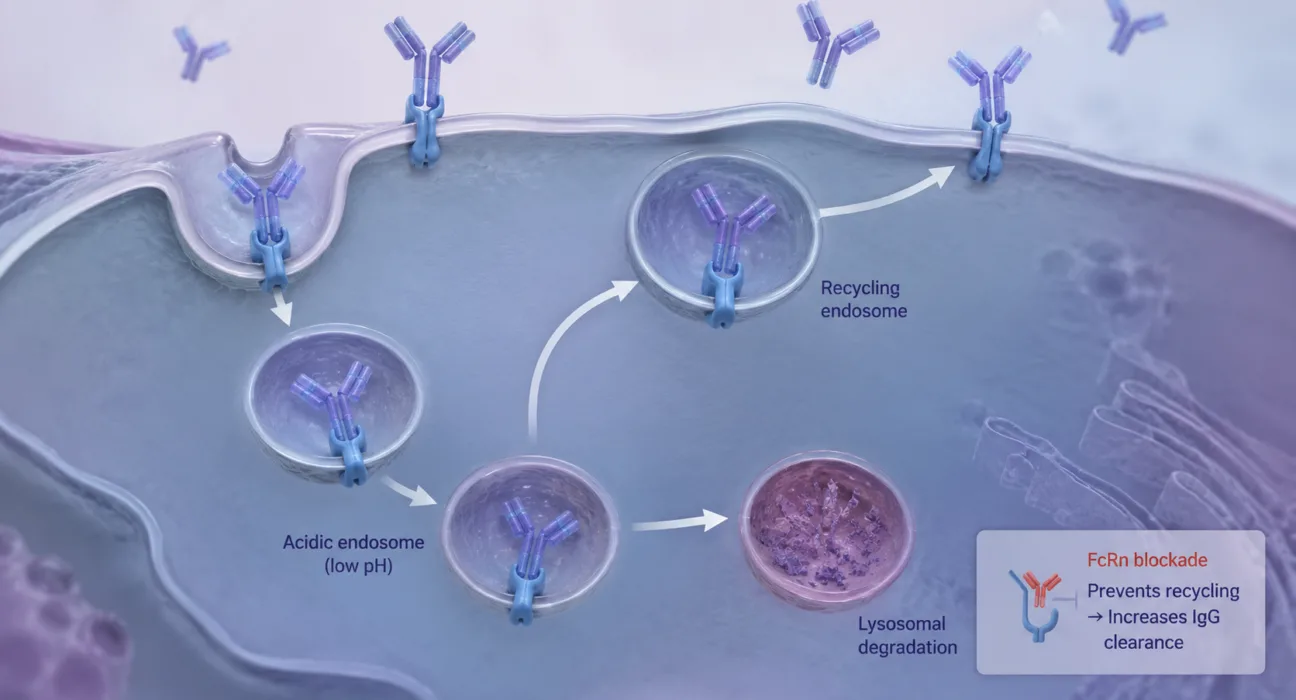
Why destroying IgG faster can treat myasthenia gravis without depleting B cells

FcRn normally rescues IgG antibodies from intracellular destruction and returns them to circulation. Blocking that recycling pathway accelerates IgG clearance, including pathogenic autoantibodies, without directly eliminating the B cells that produced them.

Read More
Features & Analysis

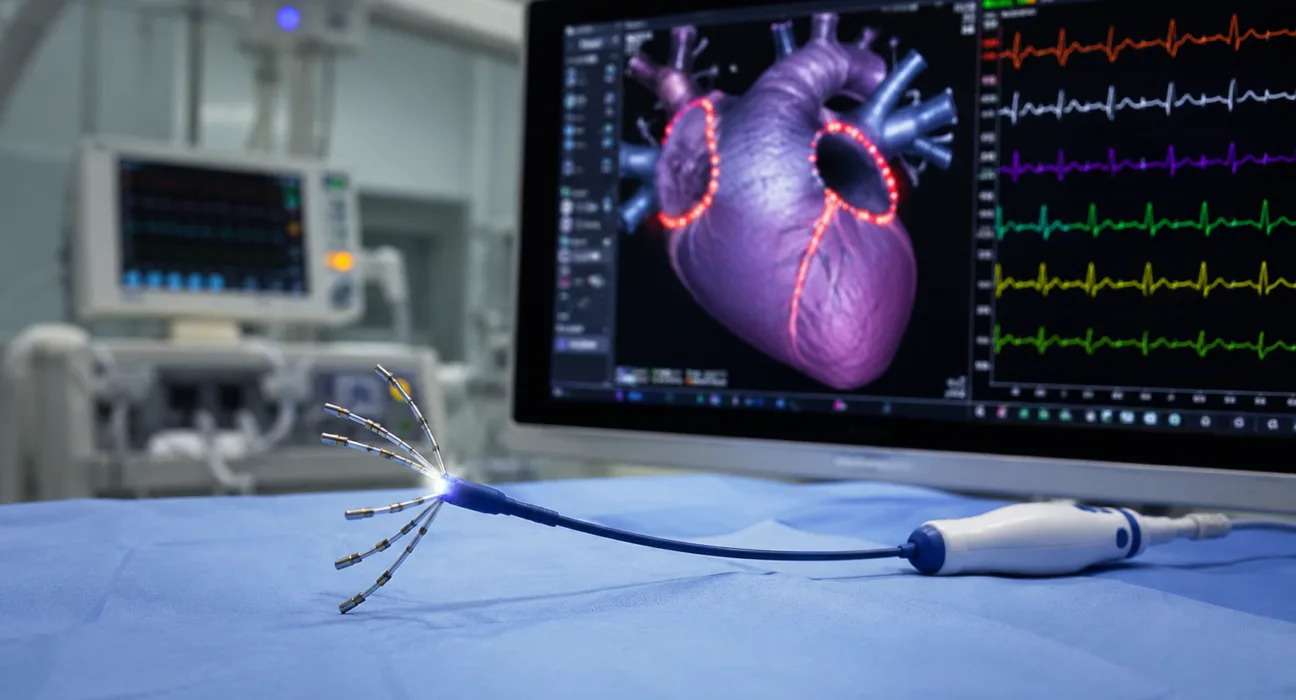
Why atrial fibrillation ablation is moving from heat and freezing to pulsed electric fields

Radiofrequency burns and cryoballoon freezes cardiac tissue to isolate pulmonary veins. Pulsed field ablation instead uses microsecond electrical pulses to disrupt myocardial cells, offering a nonthermal route that may reduce collateral injury while delivering comparable rhythm control.

Read More
Features & Analysis

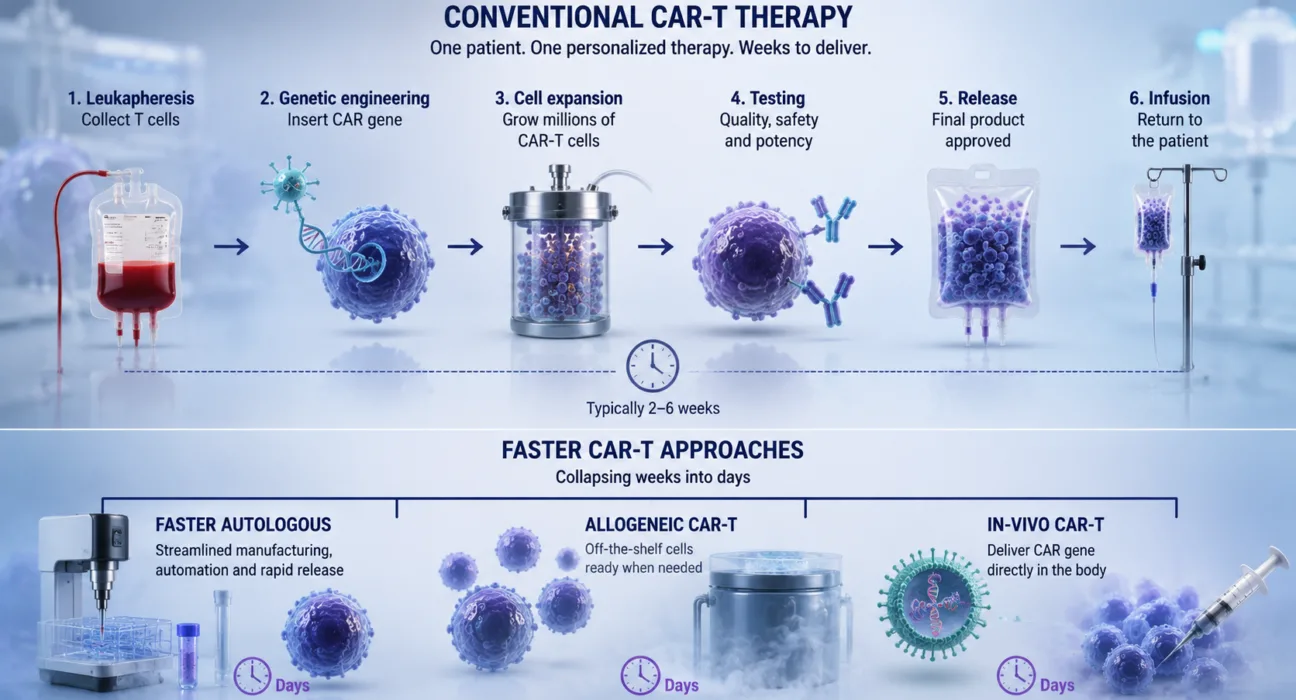
From leukapheresis to infusion: what actually happens while a patient waits for CAR-T

Conventional CAR-T therapy turns one patient’s T cells into one personalized drug batch through collection, genetic engineering, expansion, testing and release. Faster autologous, allogeneic and in-vivo approaches are trying to collapse that process from weeks toward days.

Read More
Features & Analysis

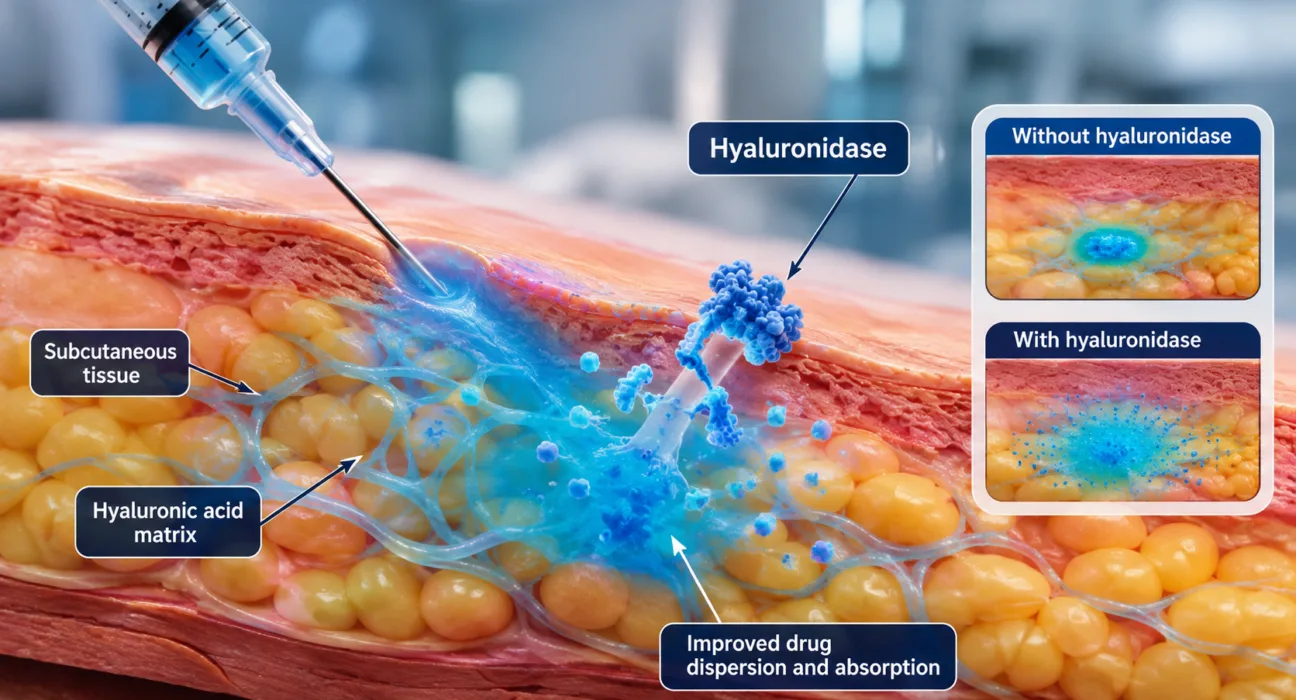
How hyaluronidase is turning blockbuster antibody infusions into injections measured in minutes

Hyaluronidase temporarily clears a molecular barrier inside subcutaneous tissue, allowing large antibody doses to disperse and absorb from injection volumes that would otherwise be impractical.

Read More
Features & Analysis

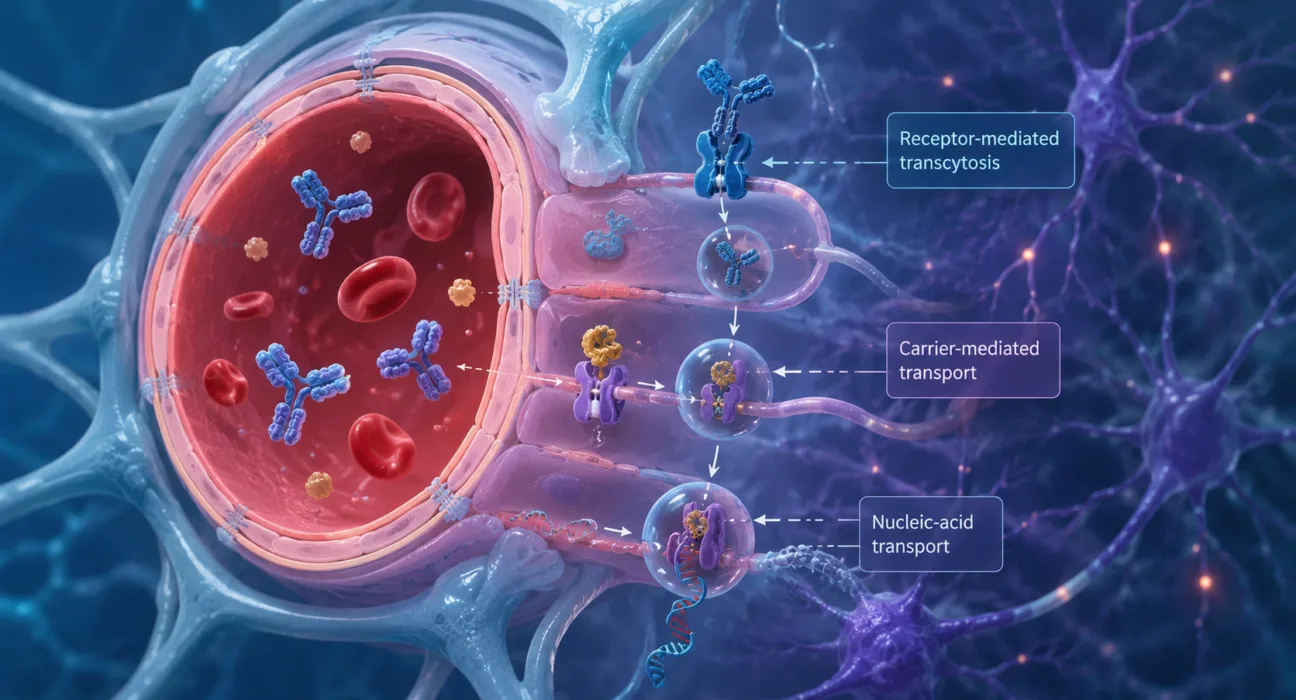
Why the blood-brain barrier keeps powerful drugs out of the brain and how brain shuttles are starting to break through

The blood-brain barrier protects neurons by tightly controlling molecular traffic, but the same biology excludes many antibodies, enzymes and nucleic-acid medicines. Drug developers are increasingly hijacking the barrier’s own transport systems rather than trying simply to disrupt it.

Read More