Business, energy, technology, markets and global industry news from Business News Today

Features & Analysis

Features & Analysis

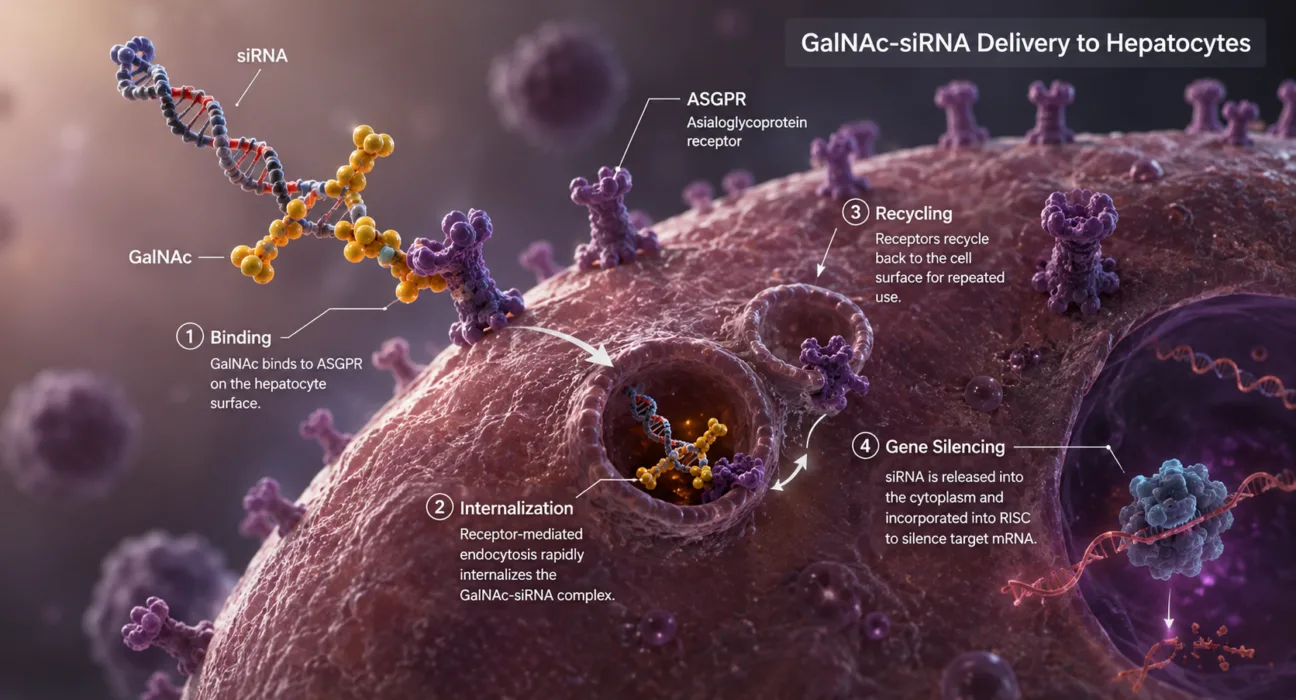
Why GalNAc made the liver the easiest organ for RNA medicines and exposed how hard the rest of the body remains

GalNAc exploits millions of rapidly recycling receptors on hepatocytes to deliver siRNA with remarkable efficiency, enabling durable gene silencing after subcutaneous dosing while highlighting the unresolved challenge of extrahepatic RNA delivery.
Read More
Features & Analysis

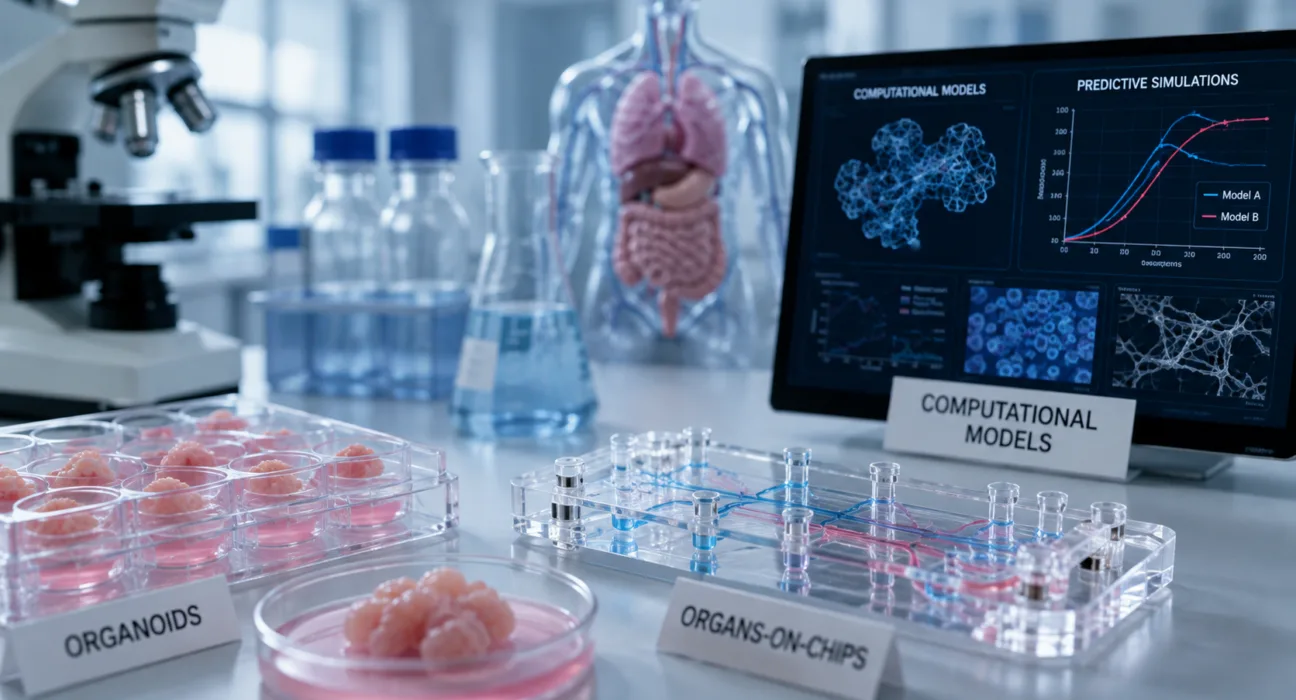
Can organoids and organs-on-chips really replace animal testing in drug development?

FDA is actively encouraging organoids, organs-on-chips and computational models as alternatives to some animal studies, but reproducibility, validation and whole-body biology still prevent a simple one-for-one replacement.

Read More
Features & Analysis

Why small-molecule GLP-1 pills could matter even if injectable obesity drugs remain more powerful

Foundayo became the first approved nonpeptide small-molecule GLP-1 obesity drug in 2026, replacing injectable peptide chemistry with a tablet that can be taken without food or water restrictions.

Read More
Features & Analysis

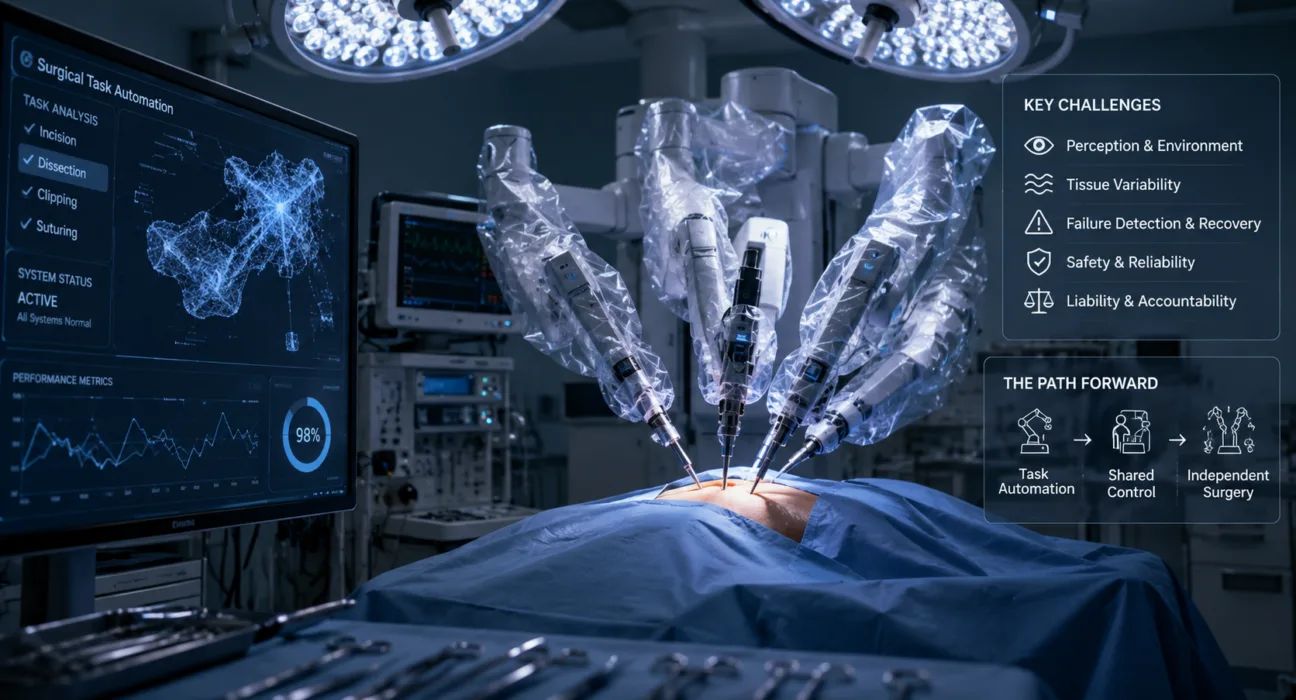
How autonomous are surgical robots really, and what would have to change before they operate alone?

Most FDA-cleared surgical robots still operate under direct human control, while research systems are beginning to automate individual tasks. Moving from task automation to independent surgery requires solving perception, tissue variability, failure recovery and liability.

Read More
Features & Analysis

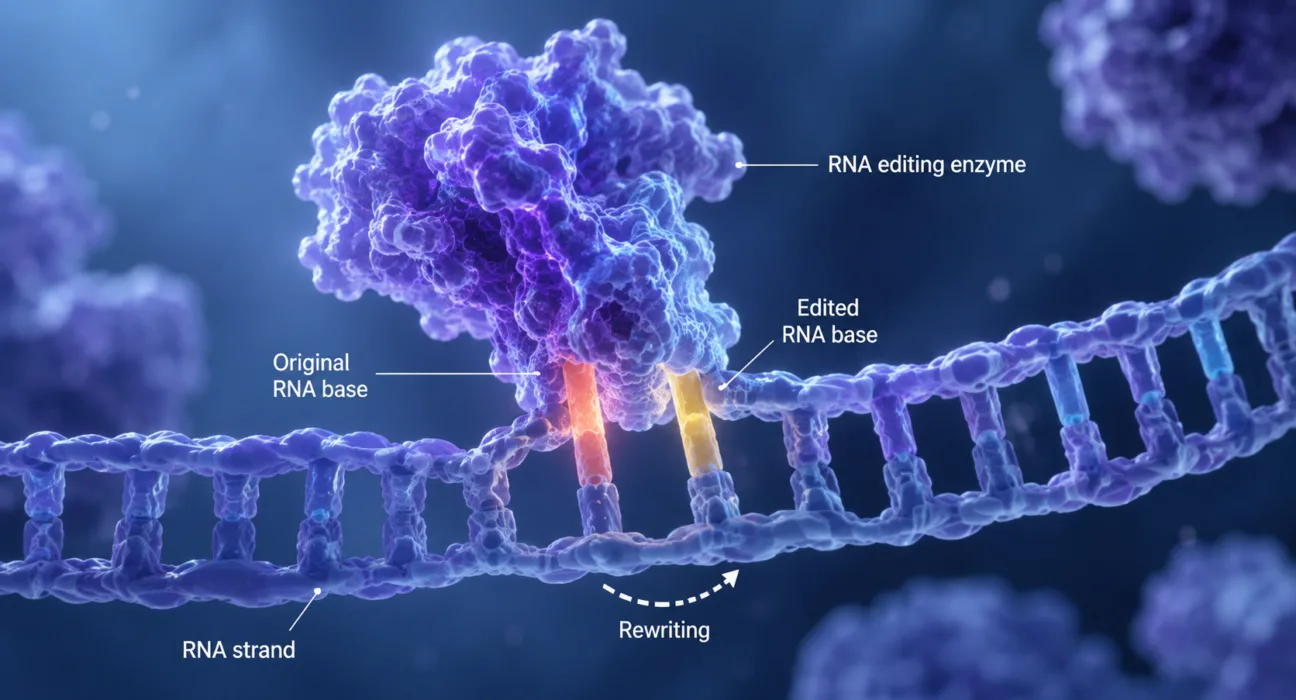
ADAR versus CRISPR: why some genetic diseases may be better treated at the RNA level

Therapeutic RNA editing recruits naturally occurring enzymes to rewrite individual RNA letters without permanently changing genomic DNA, trading lifetime correction for reversibility and potentially simpler risk management.

Read More
Features & Analysis

How should FDA regulate a medical AI system that can generate a different answer every time?

FDA is exploring competency assessment, risk-based monitoring and new lifecycle controls for generative AI medical devices whose outputs can vary by prompt, context and software evolution.

Read More
Features & Analysis

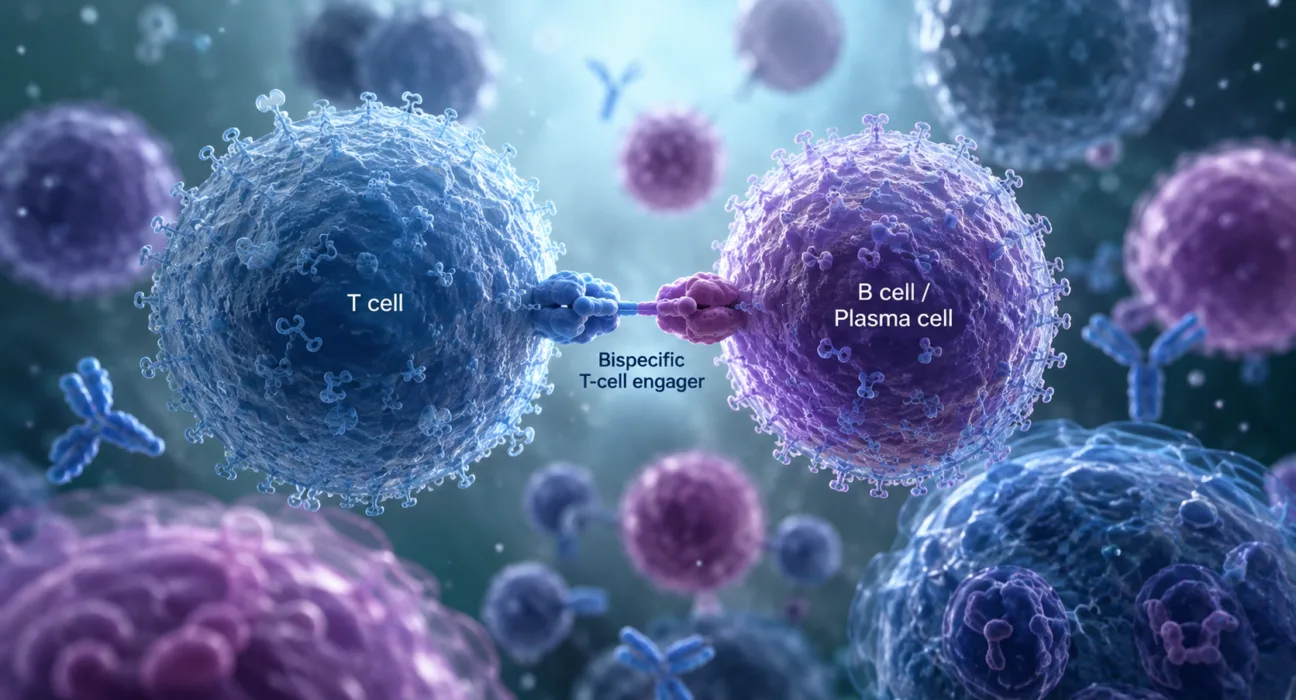
Can cancer-style T-cell engagers reset autoimmune disease without manufacturing CAR-T cells?

Bispecific T-cell engagers developed for blood cancers are being repurposed to eliminate pathogenic B cells and plasma cells in severe autoimmune disease, potentially offering CAR-T-like depth without individualized cell manufacturing.

Read More
Features & Analysis

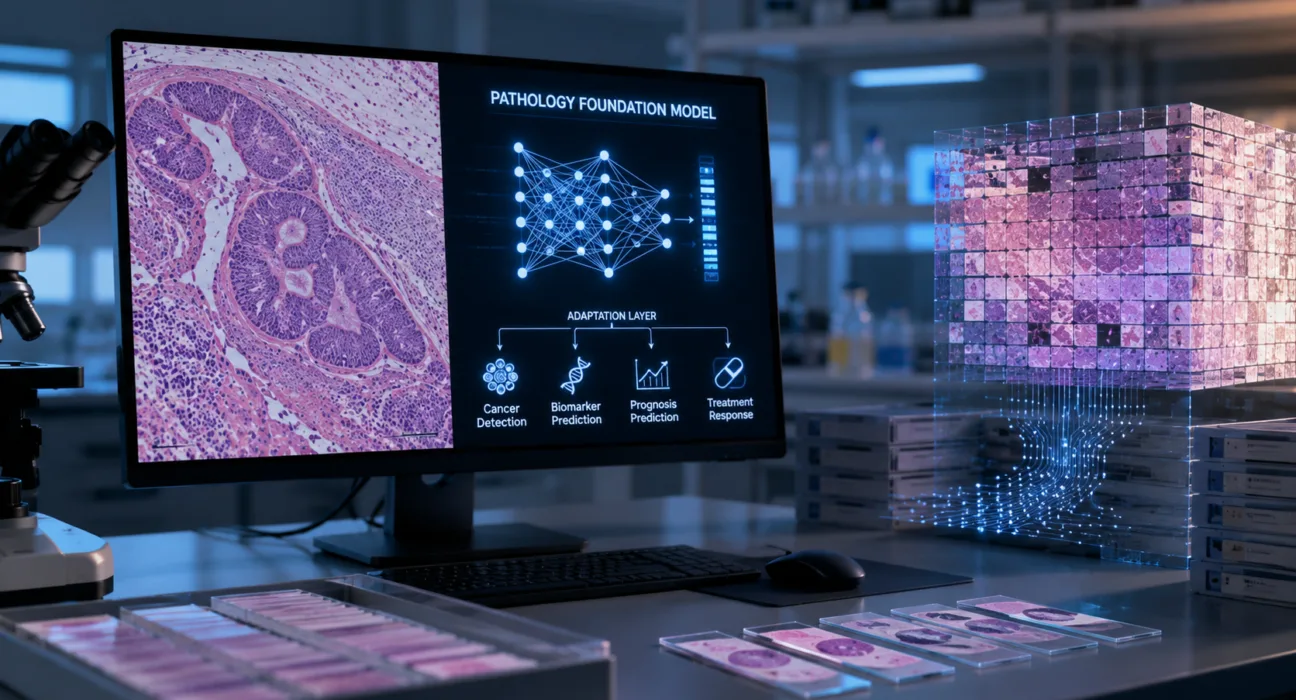
Digital pathology is moving beyond tumor detection. Can foundation models learn how pathologists reason?

Pathology foundation models learn reusable representations from millions of tissue images and can be adapted for cancer detection, biomarkers and prognosis, potentially replacing one-algorithm-per-task development.

Read More
Features & Analysis

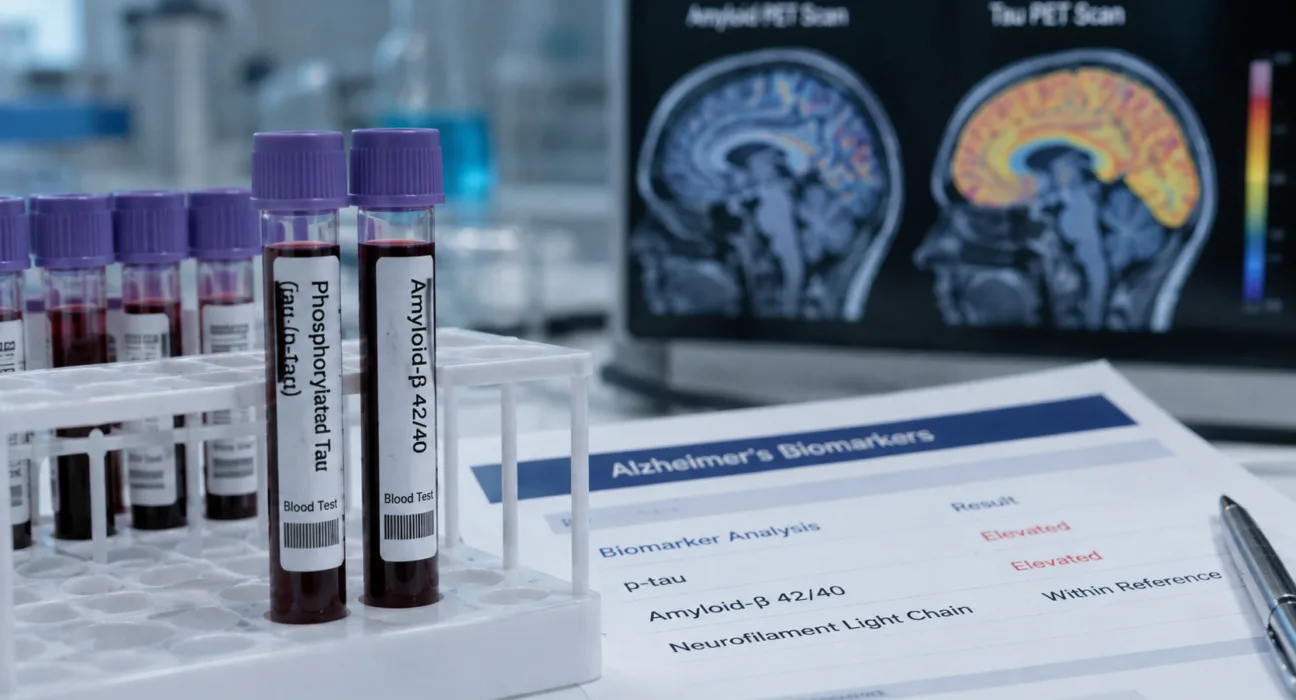
Can Alzheimer’s disease now be diagnosed from blood instead of a PET scan or spinal tap?

Blood tests measuring phosphorylated tau and amyloid-related biomarkers can identify Alzheimer’s-associated brain pathology with high accuracy, but they are not interchangeable with population screening or a complete dementia diagnosis.

Read More
Features & Analysis

The liver was the easy organ. Can in-vivo gene editing reach the rest of the human body?

Ex-vivo CRISPR edits cells outside the body before reinfusion. In-vivo editing sends the editing machinery directly into a patient, potentially making treatment simpler but far harder to control.

Read More